Retour
The Oral Health Risks of Dried Fruits4h ago
4h ago
Dried fruits are often marketed as a nutritious alternative to candy, but their impact on oral health is frequently overlooked. Despite being natural, dried fruits contain concentrated sugars and have a sticky texture that allows them to cling to teeth, creating an ideal environment for harmful oral bacteria. Without proper brushing techniques and consistent oral hygiene, regular consumption of dried fruits can significantly increase the risk of tooth decay, enamel erosion, and gum inflammation. Understanding these risks helps you enjoy dried fruits more safely while protecting long-term dental health.

Why Dried Fruits Can Be Harmful to Your Teeth
Dried fruits such as raisins, dates, apricots, and dried mango are often perceived as “healthy sugar.” However, from an oral health perspective, sugar is sugar—regardless of its source. When fresh fruit is dried, water is removed while sugars become highly concentrated. This means a small serving of dried fruit can contain as much sugar as candy or dessert. Even more problematic is their sticky texture. Unlike fresh fruit, dried fruits easily lodge between teeth, around molars, and along the gumline. Once trapped, sugars feed oral bacteria, leading to acid production that weakens enamel and increases cavity risk.
How Dried Fruits Increase Cavity Risk
The oral health risks of dried fruits are closely linked to how bacteria behave in the mouth:
• Prolonged sugar exposure: Sticky dried fruits remain on teeth longer than liquids or fresh fruit.
• Acid production: Oral bacteria convert sugars into acids that attack tooth enamel.
• Plaque buildup: Sugary residue accelerates plaque formation, especially in hard-to-reach areas.
• Enamel demineralization: Repeated acid exposure weakens enamel and makes teeth more sensitive.
Over time, these factors significantly increase the likelihood of tooth decay, especially if brushing habits are inconsistent or ineffective.
Dried Fruits and Gum Health
Dried fruits don’t just affect teeth—they can also irritate gums. When sugary residue accumulates near the gumline, it encourages bacterial growth that can lead to gum inflammation, redness, and bleeding. People who snack on dried fruits frequently may notice early signs of gingivitis without realizing the connection. If plaque is not removed thoroughly, gum irritation can progress into more serious periodontal issues.
Why Brushing Technique Matters More Than You Think
Eating dried fruits occasionally is not the problem—how well you clean your teeth afterward is what matters most. Many people brush but still miss sticky residue between teeth or behind molars.
This is where brushing technique and coverage become critical:
• Gentle but thorough brushing removes sugar residue without damaging enamel.
• Full-mouth coverage ensures sticky foods don’t remain in hidden areas.
• Pressure control prevents brushing too hard on already acid-softened enamel.
Smart toothbrushes like BrushO help by tracking brushing coverage, pressure, and time, ensuring dried fruit residue doesn’t linger where bacteria thrive.
How to Enjoy Dried Fruits Without Harming Your Teeth
You don’t need to eliminate dried fruits completely. Instead, follow smarter oral care habits:
• Eat dried fruits with meals rather than as standalone snacks.
• Rinse your mouth with water immediately after eating.
• Wait 20–30 minutes before brushing to protect softened enamel.
• Brush thoroughly with proper technique and controlled pressure.
• Pay extra attention to molars and gumline areas.
• Avoid frequent grazing on dried fruits throughout the day.
Consistent, guided brushing is far more effective than simply brushing longer or harder.
The Role of Smart Brushing in Sugar Protection
Modern oral care is no longer just about brushing twice a day—it’s about brushing effectively. BrushO’s AI-powered brushing guidance helps users remove sticky sugars from dried fruits by:
• Tracking missed zones where sugar residue often remains
• Monitoring pressure to protect enamel after acidic foods
• Providing visual brushing reports to improve daily habits
This proactive approach reduces the long-term damage caused by sugar-heavy foods, even those marketed as “healthy.”
Dried fruits may be nutritious, but their impact on oral health should not be underestimated. Their concentrated sugar content and sticky texture make them one of the most cavity-promoting snacks when oral hygiene is inadequate. By understanding the risks, improving brushing technique, and using smart oral care tools, you can enjoy dried fruits while protecting your teeth, gums, and enamel for the long term.
Derniers articles
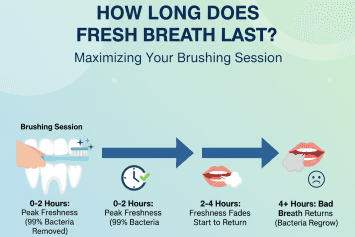
How Long Can One Brushing Session Keep Mouth Fresh?
How long does fresh breath really last after brushing? Learn what affects oral freshness, how brushing technique matters, and how smart brushing with BrushO helps your mouth stay fresh longer.
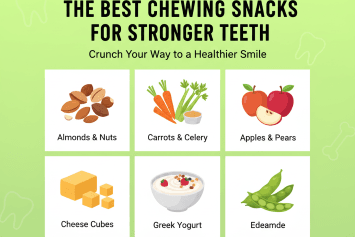
The Best Chewing Snacks for Stronger Teeth
Discover the best tooth-friendly chewing snacks that naturally strengthen teeth and support oral hygiene. Learn which foods help stimulate saliva and clean your mouth—without damaging your enamel.
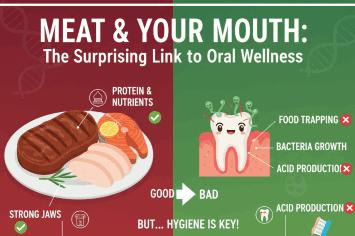
Excess Meat and Oral Health
High meat consumption may impact oral health more than you think. Learn how excess meat affects gum health, plaque buildup, acidity, and cavity risk—and how smart brushing can help protect your teeth.

How Hot Beverages Affect Your Teeth and Oral Health
Hot drinks like coffee and tea may feel comforting, but their heat and acidity can damage enamel, stain teeth, and increase sensitivity. Learn how to protect your oral health while still enjoying your favorite beverages.

Can Spicy Foods Damage Your Gums?
Can eating spicy food harm your gums? Discover how chili peppers and hot sauces may irritate your gum tissue, worsen existing gum problems, and what to do about it.

Can Colds and Flu Affect Your Breath?
Can seasonal illnesses like colds and flu cause bad breath? Learn how respiratory infections influence your oral health and what you can do to maintain fresh breath during sickness.

The Oral Health Risks of Dried Fruits
Dried fruits may seem like a healthy snack, but their high sugar content and sticky texture can increase the risk of cavities, enamel erosion, and gum problems. Learn how dried fruits affect oral health and how to protect your teeth.
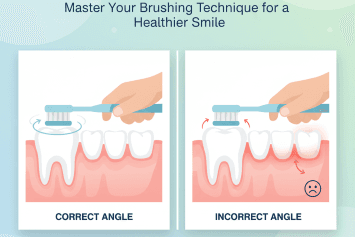
The Right Angle to Hold Your Toothbrush
Learn the correct angle to hold your toothbrush for optimal plaque removal and gum health. Discover how a 45-degree brushing angle improves oral hygiene and prevents gum disease.

How Real-Time Feedback Changes Daily Brushing Habits
Discover how real-time feedback from smart toothbrushes revolutionizes daily brushing habits, improves technique, and boosts oral hygiene outcomes through personalized data-driven insights.
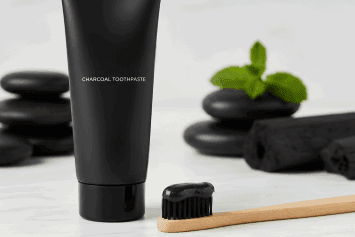
Do Charcoal Toothpastes Really Work?
Charcoal toothpaste has surged in popularity for teeth whitening, but does it really work? Explore the science, benefits, limitations, and risks of charcoal toothpaste—and how to achieve teeth whitening safely.