पीछे
Excess Meat and Oral Health4h ago
4h ago
Protein is essential for overall health, and meat is a major source of nutrients like iron, zinc, and vitamin B12. However, excessive meat consumption—especially red and processed meats—can subtly affect your oral health. From increased plaque buildup and gum inflammation to changes in oral acidity, a meat-heavy diet can create conditions that challenge long-term dental health if oral hygiene is not properly managed. This article explains how excessive meat intake interacts with the oral environment, why certain meats increase cavity and gum disease risk, and what practical steps—including smart brushing with BrushO—can help maintain healthy teeth and gums without eliminating meat from your diet.
How Excess Meat Consumption Affects Oral Health
While meat itself is not inherently harmful to teeth, dietary imbalance and food residue can create oral health risks. Processed meats often contain added sodium, preservatives, marinades, or sugars that increase acidity in the mouth. Acidic oral environments weaken enamel and support the growth of harmful bacteria. Additionally, meat fibers can become lodged between teeth, especially around molars and along the gumline. If not thoroughly removed, these particles contribute to plaque formation and bacterial activity.
Gum Health and Inflammation
A diet high in animal protein but low in fiber-rich foods such as fruits and vegetables may contribute to chronic gum inflammation. Fiber helps stimulate saliva and mechanically cleanse teeth during chewing. Without it, oral bacteria remain active longer after meals.
Gum inflammation caused by plaque accumulation can lead to:
• Bleeding gums
• Swelling and tenderness
• Increased risk of periodontitis
Research also suggests that chronic oral inflammation may be linked to systemic conditions such as cardiovascular disease, highlighting the importance of maintaining gum health through both diet and oral care.
Does Eating Meat Increase Cavity Risk?
Meat alone does not directly cause cavities. However, processed meats and flavored products may contain hidden sugars or sticky sauces that adhere to teeth. Frequent consumption—especially snacking without proper cleaning—allows bacteria to metabolize residues into acids that erode enamel. Even lean meats can contribute to cavity risk if oral hygiene is inconsistent, particularly when meals lack saliva-stimulating or cleansing foods.
How to Balance Meat Intake for Better Oral Health
You don’t need to eliminate meat to protect your teeth. Instead, focus on balance and hygiene:
• Moderation: Limit excessive intake of red and processed meats
• Hydration: Rinse your mouth or drink water after meals
• Fiber Intake: Include vegetables that help clean teeth naturally
• Meal Timing: Avoid frequent meat-based snacking between meals
These habits reduce acid exposure and bacterial activity in the mouth.
Why Smart Brushing Matters After Meat-Heavy Meals
Diet alone isn’t enough—how you brush matters just as much as what you eat. Meat residue often accumulates in hard-to-reach areas that traditional brushing may miss.
BrushO, an AI-powered smart toothbrush, helps address this by:
• Tracking missed zones after meals
• Providing real-time feedback on pressure and coverage
• Preventing overbrushing that could damage enamel
• Offering deep-clean and gum-care modes for post-meal brushing
With zone-specific guidance and habit tracking, BrushO ensures your oral hygiene keeps pace with your dietary habits.
Excessive meat consumption can influence oral health through increased plaque buildup, gum inflammation, and changes in oral acidity—especially when combined with poor brushing habits. The key is not avoidance, but balance, awareness, and effective cleaning. By pairing a mindful diet with smart oral care tools like BrushO, you can enjoy the nutritional benefits of meat while protecting your teeth and gums for the long term.
The Best Chewing Snacks for Stronger Teeth
4h ago
How Hot Beverages Affect Your Teeth and Oral Health
4h ago
हाल ही में पोस्ट किए गए लेख
How Long Can One Brushing Session Keep Mouth Fresh?
How long does fresh breath really last after brushing? Learn what affects oral freshness, how brushing technique matters, and how smart brushing with BrushO helps your mouth stay fresh longer.
The Best Chewing Snacks for Stronger Teeth
Discover the best tooth-friendly chewing snacks that naturally strengthen teeth and support oral hygiene. Learn which foods help stimulate saliva and clean your mouth—without damaging your enamel.
Excess Meat and Oral Health
High meat consumption may impact oral health more than you think. Learn how excess meat affects gum health, plaque buildup, acidity, and cavity risk—and how smart brushing can help protect your teeth.

How Hot Beverages Affect Your Teeth and Oral Health
Hot drinks like coffee and tea may feel comforting, but their heat and acidity can damage enamel, stain teeth, and increase sensitivity. Learn how to protect your oral health while still enjoying your favorite beverages.

Can Spicy Foods Damage Your Gums?
Can eating spicy food harm your gums? Discover how chili peppers and hot sauces may irritate your gum tissue, worsen existing gum problems, and what to do about it.

Can Colds and Flu Affect Your Breath?
Can seasonal illnesses like colds and flu cause bad breath? Learn how respiratory infections influence your oral health and what you can do to maintain fresh breath during sickness.

The Oral Health Risks of Dried Fruits
Dried fruits may seem like a healthy snack, but their high sugar content and sticky texture can increase the risk of cavities, enamel erosion, and gum problems. Learn how dried fruits affect oral health and how to protect your teeth.
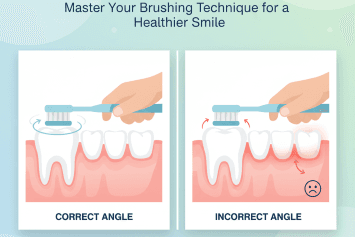
The Right Angle to Hold Your Toothbrush
Learn the correct angle to hold your toothbrush for optimal plaque removal and gum health. Discover how a 45-degree brushing angle improves oral hygiene and prevents gum disease.

How Real-Time Feedback Changes Daily Brushing Habits
Discover how real-time feedback from smart toothbrushes revolutionizes daily brushing habits, improves technique, and boosts oral hygiene outcomes through personalized data-driven insights.
Do Charcoal Toothpastes Really Work?
Charcoal toothpaste has surged in popularity for teeth whitening, but does it really work? Explore the science, benefits, limitations, and risks of charcoal toothpaste—and how to achieve teeth whitening safely.