Are You Ignoring Your Wisdom Teeth During Brushing?3h ago
3h ago
Wisdom teeth — the third molars located at the very back of your mouth — are often overlooked during daily brushing due to their tricky positioning and limited accessibility. However, ignoring them can result in hidden cavities, trapped bacteria, and even inflammation that affects neighboring teeth and gums. In this article, we explore the critical importance of cleaning wisdom teeth properly, the risks of neglect, and how AI-powered tools like BrushO can help ensure full-mouth coverage, especially in those hard-to-reach areas. Whether your wisdom teeth are fully erupted, partially impacted, or recently removed, this guide will help you understand how to protect your oral health through smart and consistent brushing.

Why Wisdom Teeth Matter in Daily Oral Hygiene
Wisdom teeth often emerge in late teens or early adulthood, typically between ages 17 and 25. Due to their position at the back of the mouth, they’re often hard to reach with a standard toothbrush, and as a result, many people neglect brushing wisdom teeth effectively.
Unfortunately, this can lead to:
• Tooth Decay: Plaque and food particles easily accumulate on these molars.
• Gum Infections: Improper cleaning increases the risk of pericoronitis or swollen gum tissue.
• Adjacent Tooth Damage: Wisdom teeth can pressure or decay nearby second molars.
• Bad Breath: Bacteria build-up in these ignored areas is a major contributor to halitosis.
Why Are Wisdom Teeth Hard to Clean?
Several factors contribute to poor wisdom tooth hygiene:
• Limited Space: The rear-most molars are often blocked by cheek or jawbone structure.
• Gag Reflex: Reaching far back can trigger discomfort or choking sensations.
• Misalignment or Impaction: Partially erupted or tilted wisdom teeth create deep crevices ideal for bacterial growth.
How to Brush Your Wisdom Teeth Properly
1. Use a Soft-Bristled, Small-Head Toothbrush: This improves maneuverability in tight spaces.
2. Angle Your Brush: Tilt your brush at 45 degrees to reach the gumline behind the last molars.
3. Don’t Rush: Spend extra time in rear quadrants—at least 30 seconds per side.
4. Use AI-Powered Tools: Smart toothbrushes like BrushO monitor zone coverage to ensure you’re not missing spots.
How BrushO Helps You Reach Your Wisdom Teeth
BrushO’s FSB (Fully Smart Brushing) technology is ideal for monitoring neglected areas:
• Zone Feedback: The app alerts you if you’re not brushing the wisdom tooth region properly.
• Pressure Sensing: Prevents over-brushing or damaging delicate back gums.
• Real-Time App Guidance: Encourages correct angles and timing in every brushing session.
With BrushO, brushing your wisdom teeth isn’t left to chance — it’s measured, guided, and rewarded.
Other Oral Care Tips for Wisdom Teeth
• Floss Behind the Last Molars: Use floss threaders or interdental brushes.
• Use Mouthwash: Antibacterial rinses help flush debris from the rear of the mouth.
• Check Regularly with a Dentist: Wisdom teeth often shift or decay unnoticed.
• Consider Removal If Needed: If cleaning proves impossible or they cause crowding, professional extraction might be best.
Don’t Let Your Wisdom Teeth Be the Weak Link
Your oral health is only as strong as the areas you clean consistently. Ignoring your wisdom teeth can undermine even the best brushing habits. By paying attention to these often-neglected molars — and using smart brushing technology like BrushO — you ensure a more thorough, balanced approach to dental care.
Posts recentes
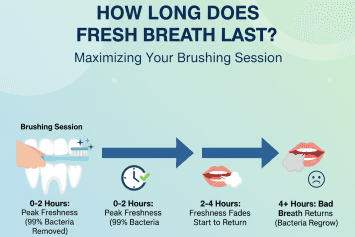
How Long Can One Brushing Session Keep Mouth Fresh?
How long does fresh breath really last after brushing? Learn what affects oral freshness, how brushing technique matters, and how smart brushing with BrushO helps your mouth stay fresh longer.
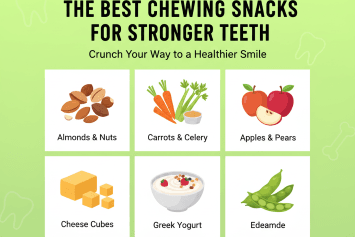
The Best Chewing Snacks for Stronger Teeth
Discover the best tooth-friendly chewing snacks that naturally strengthen teeth and support oral hygiene. Learn which foods help stimulate saliva and clean your mouth—without damaging your enamel.
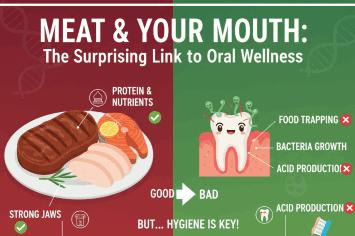
Excess Meat and Oral Health
High meat consumption may impact oral health more than you think. Learn how excess meat affects gum health, plaque buildup, acidity, and cavity risk—and how smart brushing can help protect your teeth.

How Hot Beverages Affect Your Teeth and Oral Health
Hot drinks like coffee and tea may feel comforting, but their heat and acidity can damage enamel, stain teeth, and increase sensitivity. Learn how to protect your oral health while still enjoying your favorite beverages.

Can Spicy Foods Damage Your Gums?
Can eating spicy food harm your gums? Discover how chili peppers and hot sauces may irritate your gum tissue, worsen existing gum problems, and what to do about it.

Can Colds and Flu Affect Your Breath?
Can seasonal illnesses like colds and flu cause bad breath? Learn how respiratory infections influence your oral health and what you can do to maintain fresh breath during sickness.

The Oral Health Risks of Dried Fruits
Dried fruits may seem like a healthy snack, but their high sugar content and sticky texture can increase the risk of cavities, enamel erosion, and gum problems. Learn how dried fruits affect oral health and how to protect your teeth.
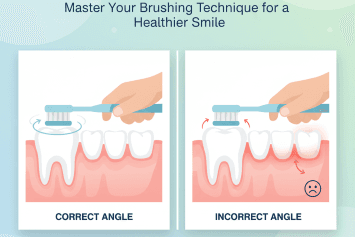
The Right Angle to Hold Your Toothbrush
Learn the correct angle to hold your toothbrush for optimal plaque removal and gum health. Discover how a 45-degree brushing angle improves oral hygiene and prevents gum disease.

How Real-Time Feedback Changes Daily Brushing Habits
Discover how real-time feedback from smart toothbrushes revolutionizes daily brushing habits, improves technique, and boosts oral hygiene outcomes through personalized data-driven insights.
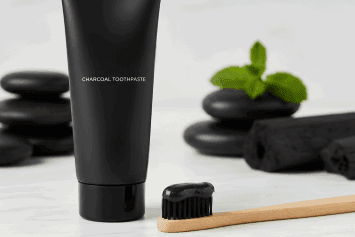
Do Charcoal Toothpastes Really Work?
Charcoal toothpaste has surged in popularity for teeth whitening, but does it really work? Explore the science, benefits, limitations, and risks of charcoal toothpaste—and how to achieve teeth whitening safely.