Quay lại
Can Spicy Foods Damage Your Gums?4h ago
4h ago
You’ve just polished off a bowl of spicy ramen or dipped into a plate of chili-covered wings. A burning sensation lingers—not just on your tongue, but along your gums. Is this harmless discomfort, or could spicy foods be doing more harm to your oral health than you realize? While spicy foods don’t directly cause gum disease, they can aggravate sensitive gum tissues, especially if your oral health isn’t already in top shape. From inflammation to increased plaque retention and even delayed healing, your love for heat may be affecting your gums more than you think. In this article, we explore the science behind spicy foods and gum health—and how to protect your mouth without giving up flavor.
How Spicy Foods Interact with Gum Tissue
Irritation of Gum Tissue
Spicy foods, especially those with capsaicin (the active compound in chili peppers), can cause temporary irritation to the soft tissues in your mouth, including your gums. If you already suffer from gingivitis or have inflamed areas, consuming hot spices may amplify the discomfort and redness.
Delayed Healing for Inflamed Gums
If you’ve recently undergone dental treatment or are recovering from gum inflammation, spicy foods can delay healing. Strong chemical stimulation can exacerbate tenderness and inflammation, making it more difficult for tissues to recover.
Dry Mouth and Dehydration
Spicy meals may indirectly affect gum health by encouraging dehydration or reducing saliva flow. Saliva plays a vital role in neutralizing acids, washing away bacteria, and protecting gum tissues. Without adequate saliva, your gums are more vulnerable to bacterial buildup.
Increased Plaque Retention
Some spicy dishes are also oily or heavily seasoned, which can increase the chance of food particles sticking to teeth and gums. If not properly cleaned, this can accelerate plaque buildup—contributing to gum problems over time.
Are Spicy Foods a Direct Cause of Gum Disease?
No, spicy foods don’t cause gum disease directly. Gum disease is primarily caused by bacterial plaque that accumulates when brushing and flossing habits are poor. However, spicy foods can act as irritants and exacerbate existing issues, especially in people with:
• Receding gums
• Gingivitis or periodontitis
• Mouth ulcers
• Orthodontic appliances or dental restorations
Tips to Enjoy Spicy Food Without Harming Your Gums
If you love spicy food but are concerned about its effect on your gums, here’s how to keep enjoying your favorite dishes safely:
• Brush and floss after meals: Remove leftover food particles that cling to gum lines.
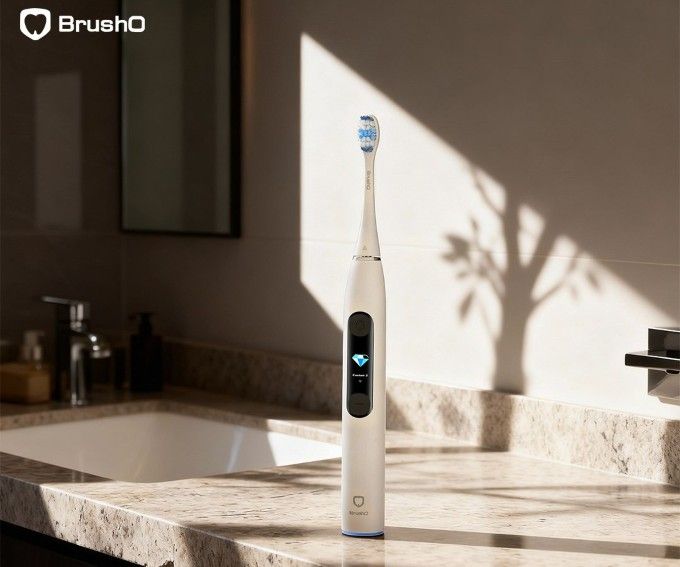
• Use a smart toothbrush like BrushO with FSB (Fully Smart Brushing) tech to ensure even pressure and complete coverage, reducing irritation risk.
• Rinse with water after spicy meals to neutralize acids and clear irritants.
• Choose softer spices if you’re prone to sensitivity—consider turmeric or mild pepper blends.
• Hydrate well to maintain saliva flow and soothe irritated tissues.
• Monitor changes in gum health using BrushO’s smart app, which tracks brushing behavior and helps detect inconsistent hygiene that may lead to inflammation.
When to Avoid Spicy Foods Altogether
Consider skipping spicy foods temporarily if you are:
• Healing from gum surgery or dental extractions
• Experiencing active gum infections or abscesses
• Dealing with bleeding gums or ulcerative lesions
• Suffering from dry mouth due to medications
In these cases, it’s best to focus on bland, non-irritating foods until the mouth heals.
Gum Health Needs More Than Flavor Control
Even if spicy foods are only mildly irritating to your gums, they serve as a good reminder that your gums are sensitive to environmental stressors. Using a smart toothbrush like BrushO ensures you’re protecting your gum line with the right technique and pressure every day. Plus, BrushO’s $BRUSH token reward system turns your daily oral care into a motivating habit, helping you stay consistent—even when your food gets fiery.
How Hot Beverages Affect Your Teeth and Oral Health
4h ago
Can Colds and Flu Affect Your Breath?
4h ago
Bài viết mới
How Long Can One Brushing Session Keep Mouth Fresh?
How long does fresh breath really last after brushing? Learn what affects oral freshness, how brushing technique matters, and how smart brushing with BrushO helps your mouth stay fresh longer.
The Best Chewing Snacks for Stronger Teeth
Discover the best tooth-friendly chewing snacks that naturally strengthen teeth and support oral hygiene. Learn which foods help stimulate saliva and clean your mouth—without damaging your enamel.
Excess Meat and Oral Health
High meat consumption may impact oral health more than you think. Learn how excess meat affects gum health, plaque buildup, acidity, and cavity risk—and how smart brushing can help protect your teeth.

How Hot Beverages Affect Your Teeth and Oral Health
Hot drinks like coffee and tea may feel comforting, but their heat and acidity can damage enamel, stain teeth, and increase sensitivity. Learn how to protect your oral health while still enjoying your favorite beverages.

Can Spicy Foods Damage Your Gums?
Can eating spicy food harm your gums? Discover how chili peppers and hot sauces may irritate your gum tissue, worsen existing gum problems, and what to do about it.

Can Colds and Flu Affect Your Breath?
Can seasonal illnesses like colds and flu cause bad breath? Learn how respiratory infections influence your oral health and what you can do to maintain fresh breath during sickness.

The Oral Health Risks of Dried Fruits
Dried fruits may seem like a healthy snack, but their high sugar content and sticky texture can increase the risk of cavities, enamel erosion, and gum problems. Learn how dried fruits affect oral health and how to protect your teeth.
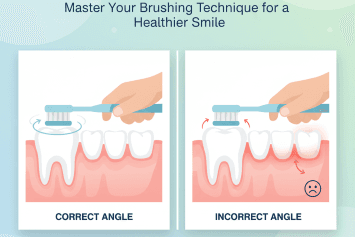
The Right Angle to Hold Your Toothbrush
Learn the correct angle to hold your toothbrush for optimal plaque removal and gum health. Discover how a 45-degree brushing angle improves oral hygiene and prevents gum disease.

How Real-Time Feedback Changes Daily Brushing Habits
Discover how real-time feedback from smart toothbrushes revolutionizes daily brushing habits, improves technique, and boosts oral hygiene outcomes through personalized data-driven insights.
Do Charcoal Toothpastes Really Work?
Charcoal toothpaste has surged in popularity for teeth whitening, but does it really work? Explore the science, benefits, limitations, and risks of charcoal toothpaste—and how to achieve teeth whitening safely.