Quay lại
How to Properly Care for Your Dentures?Nov 24
Nov 24
Dentures restore more than just your smile—they improve your ability to eat, speak, and maintain facial structure. But like natural teeth, dentures require consistent care. Without proper cleaning and maintenance, dentures can harbor bacteria, cause oral discomfort, and even deteriorate prematurely. Fortunately, caring for your dentures is simple when you follow the right steps. In this guide, we’ll show you how to clean, store, and protect your dentures while preserving overall oral hygiene. Whether you use full or partial dentures, these tips will help ensure they stay comfortable, odor-free, and effective for years to come.

How to Clean Your Dentures the Right Way
1. Brush Your Dentures Daily—But Gently
Dentures are not immune to plaque buildup. Use a soft-bristled brush and non-abrasive denture cleanser (not regular toothpaste, which is too harsh) to clean your dentures at least once a day. Focus on removing food particles and plaque, especially from the grooves that sit against your gums.
Avoid:
• Hard-bristled toothbrushes
• Whitening toothpaste
• Strong abrasive agents
Do:
• Use lukewarm water
• Hold your dentures over a folded towel or bowl of water to prevent damage if dropped
2. Soak Overnight for a Deep Clean
Most dentures require regular moisturizing to maintain their shape. Soaking your dentures overnight in a dentist-recommended solution helps kill bacteria and loosen buildup. Rinse thoroughly in the morning before putting them back in your mouth.
Tip: For those with sensitive gums, ask your dentist to recommend a hypoallergenic soak.
Don’t Forget Your Mouth!
Even if you wear full dentures, oral hygiene is still crucial. Clean your gums, tongue, and the roof of your mouth daily with a soft brush or cloth to remove bacteria and stimulate circulation. If you wear partial dentures, brush your remaining natural teeth thoroughly as well. Smart brushing tools, such as AI-powered toothbrushes like BrushO, can be especially helpful for those with dexterity challenges, offering real-time feedback and pressure control to avoid over-brushing sensitive areas.
How to Store Dentures Safely
Always Keep Dentures Moist
When not in use, dentures should be stored in water or a denture-cleaning solution to prevent drying and warping.
Use a Dedicated Container
Keep your dentures in a clean, covered container—preferably labeled if you share space with others. Avoid leaving them out in the open air or exposing them to heat.
Common Denture Mistakes to Avoid
• Skipping daily cleanings → Leads to stains and odor
• Using boiling water for soaking → Can warp denture material
• Wearing dentures 24/7 → Causes gum irritation and fungal infections
• Ignoring fit issues → Loose dentures can cause sores or impact speech
If your dentures start to feel uncomfortable or slip while eating, consult your dentist about adjustments.
When to Replace or Reline Your Dentures
Even with proper care, dentures don’t last forever. On average, dentures need to be replaced every 5–7 years. Relining or rebasing might be needed sooner if they no longer fit well. Regular checkups can catch issues early before they become painful or costly.
The Role of Technology in Modern Oral Hygiene
If you wear dentures and also have natural teeth or implants, investing in a smart toothbrush like BrushO can help ensure you’re brushing properly. BrushO’s AI sensors detect pressure, coverage, and motion to avoid gum damage—a critical factor for denture wearers with sensitive tissues.
Final Thoughts
Denture care is about more than aesthetics—it’s about your comfort, health, and confidence. By following proper cleaning techniques, storing them safely, and maintaining your oral hygiene, you can extend the life of your dentures and keep your mouth healthy. Whether you’re new to dentures or looking to improve your routine, good habits today mean fewer issues tomorrow. And with smart tools like BrushO, achieving consistent oral care has never been easier.
Bài viết mới
What Your Smart Toothbrush Knows About You?
Discover what your smart toothbrush is really tracking—pressure, brushing zones, timing, and habits—and how this data helps you improve oral health.
Understanding the Sensors in Smart Toothbrushes
Learn how the sensors in smart toothbrushes work, including pressure, motion, and location tracking, and how they improve brushing technique for healthier teeth and gums.
How to Keep Your Mouth Healthy?
Want a healthier smile? Learn how to keep your mouth healthy with simple daily habits, smart tools like BrushO, and expert-backed oral hygiene tips.

Why You Shouldn’t Rely on Mints for Fresh Breath
Mints may offer instant freshness, but they don’t address the root causes of bad breath. Learn why relying on mints could be masking deeper oral health issues—and what to do instead.
Is Your Brushing Style Contributing to Receding Gums?
Brushing too hard or using the wrong technique can lead to receding gums. Learn how your brushing style may be harming your gums—and how to fix it with smarter tools like BrushO.
Are Whitening Mouthwashes Too Harsh for Daily Use?
Are whitening mouthwashes damaging your teeth and gums with daily use? Discover the truth about their ingredients, effects, and how to use them safely.
Why Morning Brushing Shouldn’t Be Skipped
Morning brushing isn’t just a hygiene habit—it’s your first defense against overnight bacteria, bad breath, and plaque. Learn why skipping it is a mistake.
Can Your Toothbrush Harbor Dangerous Bacteria?
Think your toothbrush is clean? Discover how harmful bacteria can hide in plain sight and learn how AI-powered tools like BrushO keep your brushing routine truly hygienic.
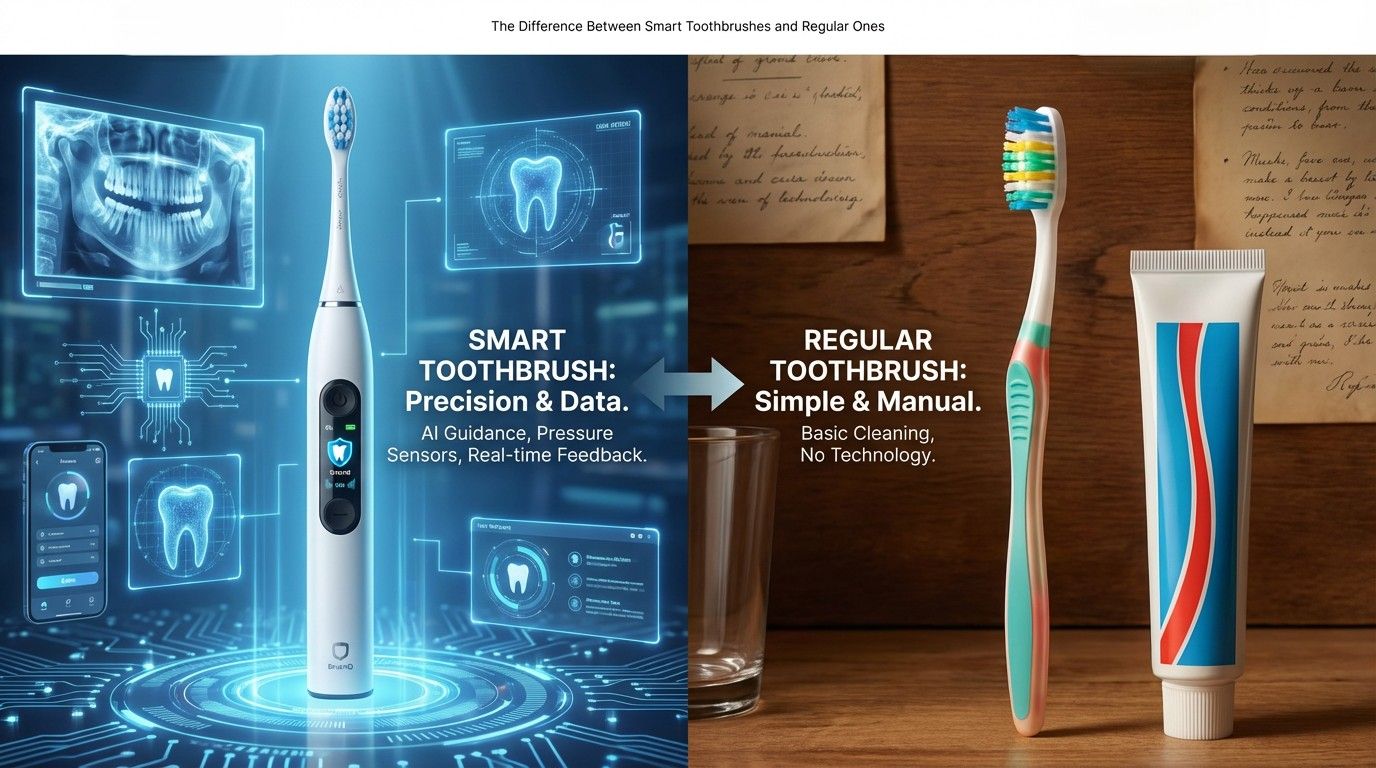
The Difference Between Smart Toothbrushes and Regular Ones
Smart toothbrushes use sensors, AI, and real-time feedback to improve brushing habits, while regular toothbrushes rely on manual technique. Learn the key differences and how they impact oral health.
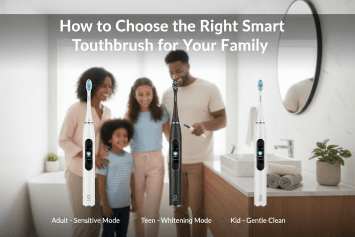
How to Choose the Right Smart Toothbrush for Your Family
Choosing the right smart toothbrush for your family means balancing oral health needs, age differences, safety, and smart features. This guide explains how to select the best smart toothbrush for every family member.