Zurück
Is It Time to Replace Your Toothbrush Head?1d ago
1d ago
When was the last time you changed your toothbrush head? If you can’t remember, you’re not alone—and your oral health might be suffering because of it. Over time, bristles wear down, lose effectiveness, and become a breeding ground for bacteria. Worn brush heads can’t clean your teeth properly, leading to plaque buildup, gum issues, and bad breath. In this article, we’ll explore the signs it’s time to replace your toothbrush head, why it matters more than you think, and how BrushO’s smart system takes the guesswork out of your brushing routine.
Why Replacing Your Toothbrush Head Matters
A fresh toothbrush head is essential for:
• Removing plaque effectively
• Reaching tight spots between teeth and along the gumline
• Preventing bacteria buildup on bristles
• Protecting your enamel and gums from damage
Old, frayed bristles not only clean less efficiently but can also cause micro-tears in the gums, increasing the risk of infection and gum recession.
Signs You Need a New Toothbrush Head
Here are clear signs that it’s time to replace:
• Frayed or bent bristles
Even if you’re brushing regularly, worn bristles can’t remove plaque effectively.
• Changes in brushing performance
If you feel like your teeth aren’t getting as clean or your breath isn’t as fresh, it may be due to an old brush head.
• Discoloration or buildup on bristles
Stains, hardening, or visible gunk are red flags that bacteria may be accumulating.
• It’s been more than 3 months
The American Dental Association recommends changing your toothbrush head every 3 months at a minimum.
Why 3 Months Isn’t Just a Suggestion
Studies show that after 3 months of regular use, a toothbrush head loses up to 60% of its plaque-removal power. Meanwhile, bacterial colonies begin forming within bristle clusters—making the tool you rely on for cleanliness a potential source of oral problems. In cases where you’ve been sick, dropped your brush on unsanitary surfaces, or use it more than twice daily, consider replacing it sooner than 3 months.
How BrushO Makes Replacing Easy
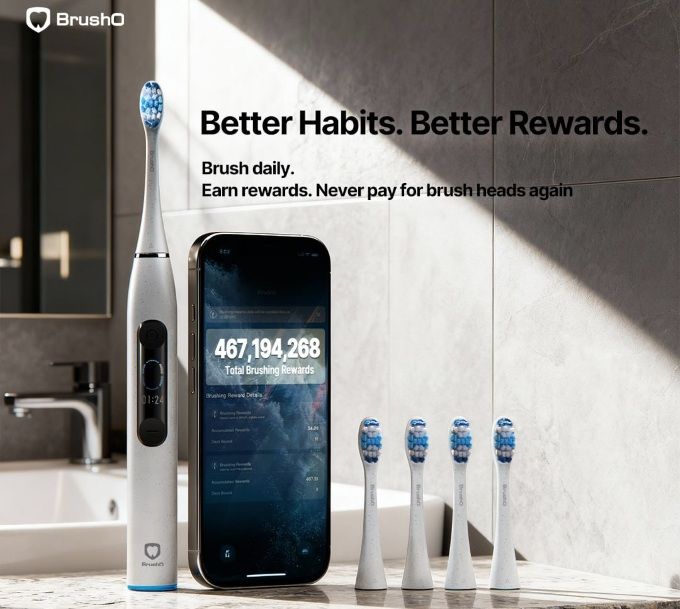
Unlike manual toothbrushes or even basic electrics, BrushO is equipped with smart reminders that notify users when it’s time to change the head—based on actual usage, not just the calendar.
BrushO Features Include:
🔄 Auto-reset brushing timer with wear tracking
📱 App-based alerts when bristle efficiency drops
📦 Lifetime free brush head program (redeemable via brushing reward points)
🧠 AI tracking of brush performance to detect declining effectiveness
This ensures every user maintains peak oral care performance without needing to manually track dates.
Consequences of Not Replacing on Time
Delaying replacement can lead to:
🦠 Increased bacteria transfer to your mouth
😬 Gum inflammation and sensitivity
🟡 Higher plaque and tartar buildup
😷 Bad breath that doesn’t go away with brushing
🦷 Higher risk of enamel erosion and cavities
A Smarter Habit for a Healthier Smile
Maintaining a strict replacement routine is one of the simplest and most cost-effective ways to protect your teeth. BrushO automates this habit with:
• Smart tracking
• Instant reminders
• Personalized reports
So you never forget—or delay—a replacement again.
Replacing your toothbrush head regularly is essential, not optional. If you’re using the same head for months on end, your brushing is no longer as effective—and may be doing more harm than good. BrushO takes the hassle out of remembering when to change, while ensuring you always brush with optimal tools. Your teeth deserve more than tired bristles—stay on top of your oral health with smart reminders and fresh starts.
How Long Does It Take to See Results from Better Brushing?
1d ago
Oral Health Red Flags You Should Never Ignore
1d ago
Aktuelle Beiträge
Is Your Baby’s Pacifier Harming Their Future Smile?
Pacifiers may soothe your baby now, but are they silently shaping their future smile—for better or worse? Learn the dental effects and how to manage safe pacifier use.
Why Hydration Is Essential for Oral Health
Staying hydrated does more than refresh your body—it’s crucial for your teeth and gums. Learn how proper hydration prevents bad breath, decay, and gum disease.
How Your Daily Coffee Habits Shape Your Oral Future
Discover how your daily coffee habits affect your oral health—from enamel erosion to staining—and how smart brushing can help preserve your smile.
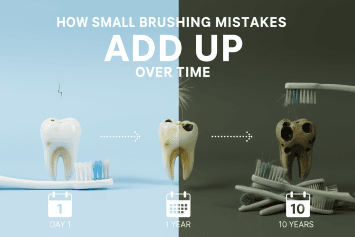
How Small Brushing Mistakes Add Up Over Time
Even minor brushing errors can cause major oral health issues over time. Discover the common mistakes, their long-term effects, and how BrushO can help you fix them before it’s too late.
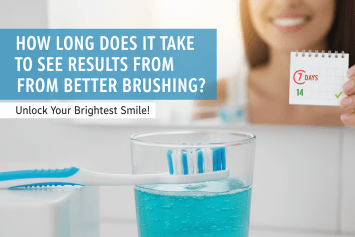
How Long Does It Take to See Results from Better Brushing?
Wondering how long it takes to improve your oral health with better brushing? Learn what changes to expect—and when—with smart brushing habits and BrushO’s AI-powered guidance.
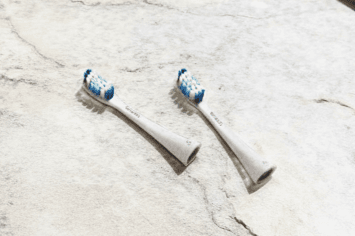
Is It Time to Replace Your Toothbrush Head?
Old toothbrush heads lose cleaning power and may harbor bacteria. Learn how often to replace them and how BrushO’s smart reminders ensure your brushing stays effective and hygienic.
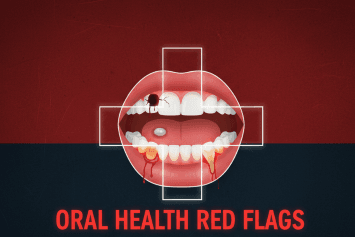
Oral Health Red Flags You Should Never Ignore
Ignoring signs like bleeding gums, persistent bad breath, or tooth sensitivity can lead to serious dental issues. Learn the key oral health red flags you should never overlook and how smart tools like BrushO can help detect them early.
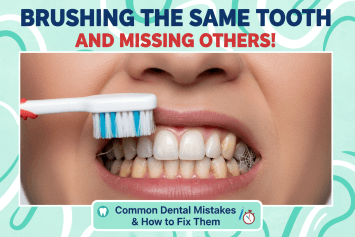
Are You Brushing the Same Tooth and Missing Others?
Brushing the same spot over and over while neglecting others can cause plaque buildup, gum problems, and uneven enamel wear. Discover how smart brushing technology ensures complete, balanced oral care.
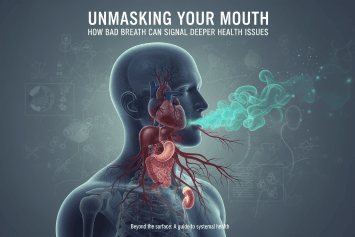
How Bad Breath Can Signal Deeper Health Issues
Bad breath isn’t just a hygiene issue—it can be an early warning sign of deeper health problems like gum disease, diabetes, or digestive disorders. Learn how to identify the cause and take action with smart brushing solutions.
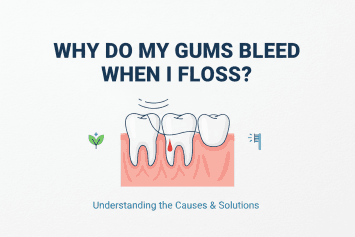
Why Do My Gums Bleed When I Floss?
Bleeding gums during flossing is a common but concerning sign. Discover the causes, prevention strategies, and how BrushO smart toothbrush can improve your gum health and stop bleeding for good.