How Bad Breath Can Signal Deeper Health Issues23h ago
23h ago
Everyone experiences bad breath occasionally, but if it becomes persistent, it may be more than just a case of garlic or morning breath. Chronic halitosis can indicate underlying health issues ranging from gum infections to systemic diseases. In this article, we’ll explore what your bad breath might be trying to tell you, the deeper health conditions linked to it, and how smart toothbrushes like BrushO can help you detect and address early signs before they escalate.
What Is Halitosis?
Halitosis is the medical term for chronic bad breath. While occasional odor is normal, persistent bad breath should not be ignored—it can point to oral health issues or even deeper systemic problems.
Common Oral Causes of Bad Breath
Poor Brushing Technique or Incomplete Cleaning
Leftover food particles and bacteria in the mouth can break down and release foul-smelling compounds.
Gum Disease (Gingivitis or Periodontitis)
Bleeding gums and infection beneath the gumline can create a strong, unpleasant odor that doesn’t go away with brushing.
Dry Mouth (Xerostomia)
Saliva naturally cleanses the mouth. A lack of saliva (due to medication, dehydration, or mouth breathing) allows bacteria to thrive.
Deeper Health Issues Behind Bad Breath
1. Diabetes
Uncontrolled diabetes can lead to a fruity or acetone-like breath smell, often indicating diabetic ketoacidosis—a dangerous condition that needs immediate care.
2. Gastrointestinal Problems
Conditions like acid reflux, ulcers, or H. pylori infections can push odor-causing gases up through the digestive tract and into the mouth.
3. Liver or Kidney Disease
Toxins that are not properly filtered by the liver or kidneys may lead to breath that smells like ammonia or fish.
4. Respiratory Infections or Sinus Issues
Chronic sinus infections or postnasal drip can cause bacteria to build up at the back of the throat, leading to persistent odor.
How to Tell If Your Bad Breath Is a Warning Sign
• It doesn’t improve after brushing or flossing
• You notice bleeding gums or a bad taste in the mouth
• You experience dry mouth frequently
• Others comment on your breath despite good hygiene
• Symptoms like fatigue, digestive upset, or increased thirst accompany it
If any of these apply, it’s time to dig deeper.
How Smart Brushing with BrushO Can Help
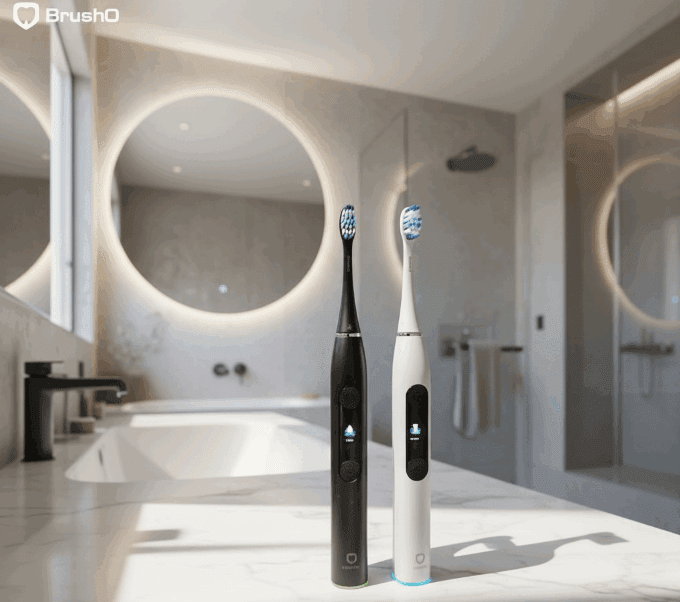
A smarter brushing routine is your first line of defense against chronic halitosis. BrushO’s AI-powered technology supports early detection and better prevention by offering:
• 16-surface coverage tracking – Ensures you don’t miss critical zones where odor-causing bacteria thrive
• Real-time feedback – Alerts you if you’re brushing too fast, too hard, or skipping zones
• Gum health scoring – Helps detect early signs of inflammation or gingivitis before it leads to odor
• Daily reports and progress monitoring – So you can stay on top of your oral health and catch trends before they worsen
When to See a Professional
If smart brushing, flossing, and hydration don’t resolve the issue, consult a dentist or doctor. They may:
• Check for gum disease or cavities
• Order blood or saliva tests
• Refer you to a specialist (e.g., ENT, gastroenterologist, or endocrinologist)
Tips to Prevent and Manage Bad Breath
• Brush Twice Daily – Use a smart toothbrush like BrushO for optimal coverage
• Floss Daily – Don’t let debris linger between teeth
• Clean Your Tongue – Bacteria love the back of the tongue
• Stay Hydrated – Drink water to boost saliva
• Avoid Smoking and Excessive Alcohol – Both dry out the mouth and worsen odor
• Watch Your Diet – Garlic, onions, and high-sugar foods can make it worse
• Schedule Regular Dental Cleanings – At least twice a year
Bad breath isn’t just embarrassing—it can be your body’s way of signaling something serious. Don’t ignore the signs. Pair smart brushing tools like BrushO with regular checkups and good hygiene to stay ahead of deeper health issues and keep your breath fresh—and your body healthy.
Recent Posts
Is Your Baby’s Pacifier Harming Their Future Smile?
Pacifiers may soothe your baby now, but are they silently shaping their future smile—for better or worse? Learn the dental effects and how to manage safe pacifier use.
Why Hydration Is Essential for Oral Health
Staying hydrated does more than refresh your body—it’s crucial for your teeth and gums. Learn how proper hydration prevents bad breath, decay, and gum disease.
How Your Daily Coffee Habits Shape Your Oral Future
Discover how your daily coffee habits affect your oral health—from enamel erosion to staining—and how smart brushing can help preserve your smile.
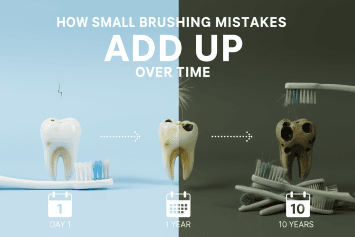
How Small Brushing Mistakes Add Up Over Time
Even minor brushing errors can cause major oral health issues over time. Discover the common mistakes, their long-term effects, and how BrushO can help you fix them before it’s too late.
How Long Does It Take to See Results from Better Brushing?
Wondering how long it takes to improve your oral health with better brushing? Learn what changes to expect—and when—with smart brushing habits and BrushO’s AI-powered guidance.

Is It Time to Replace Your Toothbrush Head?
Old toothbrush heads lose cleaning power and may harbor bacteria. Learn how often to replace them and how BrushO’s smart reminders ensure your brushing stays effective and hygienic.
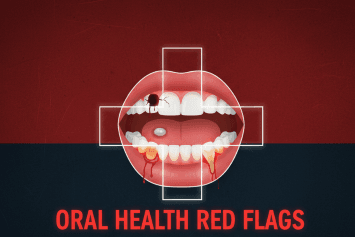
Oral Health Red Flags You Should Never Ignore
Ignoring signs like bleeding gums, persistent bad breath, or tooth sensitivity can lead to serious dental issues. Learn the key oral health red flags you should never overlook and how smart tools like BrushO can help detect them early.
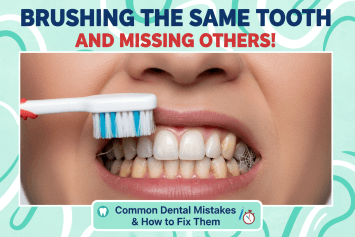
Are You Brushing the Same Tooth and Missing Others?
Brushing the same spot over and over while neglecting others can cause plaque buildup, gum problems, and uneven enamel wear. Discover how smart brushing technology ensures complete, balanced oral care.
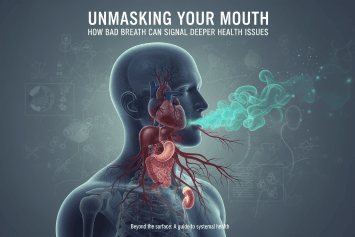
How Bad Breath Can Signal Deeper Health Issues
Bad breath isn’t just a hygiene issue—it can be an early warning sign of deeper health problems like gum disease, diabetes, or digestive disorders. Learn how to identify the cause and take action with smart brushing solutions.
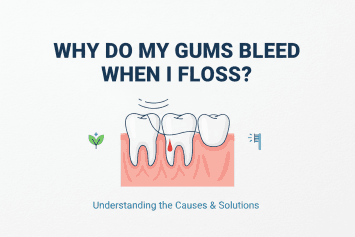
Why Do My Gums Bleed When I Floss?
Bleeding gums during flossing is a common but concerning sign. Discover the causes, prevention strategies, and how BrushO smart toothbrush can improve your gum health and stop bleeding for good.