What Kind of Brush Is Best for Teeth?Nov 14
Nov 14
Choosing the right toothbrush isn’t just about personal preference—it can significantly impact your dental health. In today’s crowded oral care market, users must navigate choices between manual and electric, soft vs. hard bristles, and now, AI-powered smart toothbrushes. While traditional options offer simplicity, modern technologies like BrushO provide enhanced cleaning, habit tracking, and personalized feedback that improve brushing efficiency. This guide explores what kind of toothbrush is actually best for your teeth and why features like smart sensors, ergonomic handles, and gentle bristles make all the difference. Whether you’re looking to reduce plaque, prevent gum recession, or motivate yourself (or your kids) to brush properly, the right brush matters. This article breaks down the most dentist-recommended toothbrush features and helps you understand how innovations like BrushO’s FSB Technology can elevate your daily oral care routine.

🦷 H2: Manual vs. Electric vs. Smart: What’s the Real Difference?
📌Manual Toothbrushes: Basic but Effective
Manual toothbrushes can clean effectively when used properly, but they rely entirely on the user’s technique. Studies show many people brush too quickly, apply too much pressure, or miss key areas.
Pros:
• Cheap and easy to find
• No charging required
• Lightweight and travel-friendly
Cons:
• No feedback on brushing technique
• Easy to brush too hard or miss spots
• Difficult to motivate, consistent routine
⚡️Electric Toothbrushes: A Step Up
Electric toothbrushes provide automatic oscillating or sonic motion, which helps clean more thoroughly than manual brushes—especially for users with limited dexterity.
Pros:
• Faster bristle movement improves plaque removal
• Built-in timers for better duration control
• Many offer pressure sensors
Cons:
• Still limited feedback
• No customization or smart tracking
• Needs charging or batteries
🤖Smart Toothbrushes: The New Gold Standard
Smart toothbrushes like BrushO go beyond motion—they analyze how you brush using multiple sensors and provide feedback in real-time. BrushO even creates a personalized “Brushprint” using AI.
Why Smart > Electric:
• Tracks coverage, time, and pressure
• Offers in-app brushing reports & scores
• Motivates users through gamification & rewards
• Better habit formation through behavioral science
🪥Bristle Type: Why “Softer” Is Often Better
Dentists consistently recommend soft bristles because they’re effective at removing plaque without damaging the enamel or gums.
Avoid hard bristles unless instructed by a professional—these can cause gum recession and enamel erosion.
Tip: BrushO uses soft DuPont bristles with high-density planting to maximize coverage and minimize abrasion.
📏 Brush Head Size and Shape
The right size depends on your mouth structure—but generally:
• Smaller heads are better for reaching back molars
• Angled heads improve coverage in hard-to-reach areas
BrushO Advantage: Ergonomic brush heads designed based on 6-zone, 16-surface mapping—ensuring all areas are reachable and cleanable, including wisdom tooth zones.
💡Extra Features That Actually Matter
🎯Pressure Sensors
Prevents overbrushing—a common cause of gum recession.
BrushO uses LED pressure indicator rings + vibration feedback when you’re brushing too hard.
⏱️Timer vs. AI-Driven Feedback
Forget basic 30-second quadrant timers. BrushO skips this outdated system in favor of real-time zone-based feedback, helping you clean all 6 zones and 16 surfaces thoroughly—whether you brush for 2 minutes or 3.
📲Smart App Integration
BrushO’s app lets you:
• Track streaks & scores
• Get personalized brushing suggestions
• Earn points to redeem for free lifetime brush heads
🛒So… What Kind of Brush Should You Use?
If you’re:
• A parent motivating your kids
• A busy adult who rushes brushing
• Someone who wants dentist-level results at home
• An older adult with grip issues
Then the best toothbrush for your teeth is likely a smart AI-powered toothbrush like BrushO.
It’s more than a brush—it’s a dental assistant in your hand.
🌍Where to Buy the Best Brush for Your Teeth?
You can explore the BrushO AI Smart Toothbrush at:
🔗 www.brusho.com (Official Website)
🛍️ TikTok Shop (Search: “BrushO”)
And yes—free global shipping, free lifetime brush heads.
🧾 Conclusion: Smart Choices for a Healthier Smile
What kind of brush is best for your teeth? The one that helps you build better habits and clean more effectively. In 2025, the future of oral care is smart—and BrushO leads the way with AI, personalized feedback, and sustainable rewards that make brushing not just a habit, but a health investment.
Recent Posts
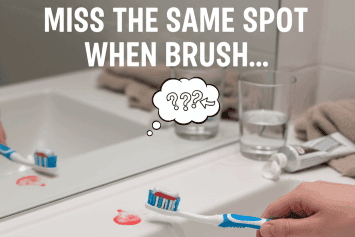
Do You Always Miss the Same Spot When You Brush?
Are you missing the same spots every time you brush? Discover why brushing blind spots exist, how they affect your oral health, and how smart brushing tech like BrushO helps you never miss a spot again.
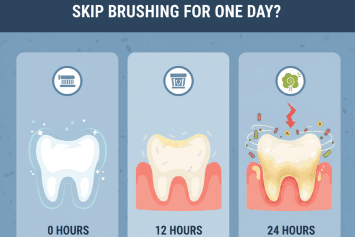
What Happens When You Skip Brushing for One Day?
What really happens when you skip brushing your teeth for just one day? Discover the hidden impact of missing a single brushing session and how smart toothbrushes like BrushO help prevent long-term damage.
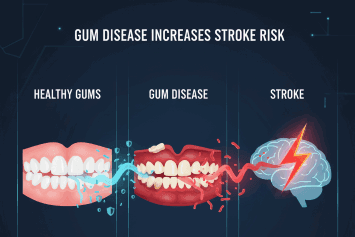
Can Gum Disease Increase Stroke Risk?
Can poor oral hygiene lead to more than cavities? Discover how gum disease might increase your stroke risk—and how daily brushing with a smart toothbrush like BrushO can protect your brain and heart health.
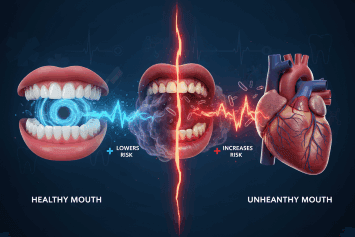
How Oral Health Influences Your Heart Disease Risk
Poor oral health may increase your risk of heart disease. Learn how gum disease, inflammation, and oral bacteria affect cardiovascular health—and how smarter brushing habits can help protect your heart.
How Much Toothpaste Is Actually Enough?
Wondering how much toothpaste is too much or too little? Learn the dentist-approved amount for adults and children, the risks of overusing toothpaste, and how smart brushing tools like BrushO help maximize every pea-sized dab.
Can You Brush Away Tartar Buildup?
Brushing your teeth daily is essential—but can it actually remove tartar once it forms? Discover the truth about brushing vs tartar, and learn how to prevent hard plaque buildup with proper technique, timing, and tools like AI-powered smart toothbrushes.

Are You Brushing Right After Acidic Foods?
Brushing your teeth right after consuming acidic foods or drinks can damage enamel. Learn the science behind this dental mistake and the best timing for brushing after acidic exposure.
How Puberty Affects Oral Health in Teens
Puberty can significantly impact oral health in teenagers due to hormonal changes. Learn how puberty affects gums, teeth, and oral hygiene, and how to manage it effectively.

How Biting Pens Damages Your Teeth
Biting pens might seem harmless, but it can cause real damage to your teeth and gums. Learn the dental risks of this common habit and how to break it.

Is Chewing Gum Good or Bad for Your Teeth?
Is chewing gum a friend or foe to your dental health? Learn the science-backed pros and cons of chewing gum—and how to choose the right kind for your teeth.