How Biting Pens Damages Your Teeth1h ago
1h ago
It might feel like a harmless nervous tic—chewing on your pen while thinking or working. However, this seemingly innocent habit can have a significant impact on your oral health. Biting pens or other non-food objects is not just unsanitary; it can lead to chipped teeth, enamel wear, jaw stress, and even long-term dental complications. In this article, we’ll explore how biting pens damages your teeth, why it’s more dangerous than you might expect, and what dentists recommend to protect your smile.
Why Do People Bite Pens?
Biting pens is often a subconscious behavior triggered by:
• Stress or anxiety
• Concentration or boredom
• Oral fixation (similar to nail biting or chewing ice)
While it may provide temporary relief or focus, the habit can be destructive if left unchecked.
The Dental Dangers of Pen Biting
🦷 Enamel Damage
The plastic body of a pen is much harder than your tooth enamel. Repeated pressure can cause microfractures in the enamel, weakening the protective outer layer and increasing the risk of cavities, sensitivity, and erosion.
💥 Chipped or Cracked Teeth
A single bite in the wrong spot—or repeated stress over time—can cause teeth to chip or crack, especially if there are already fillings or weak points. These fractures often require restorative dental treatments like bonding, crowns, or even root canals.
😬 Tooth Misalignment
Consistent pressure in the same area can slowly shift your teeth out of alignment, especially in young adults or children whose dental arches are still forming. This can undo years of orthodontic work or create new bite issues.
🦷 Gum and Soft Tissue Injury
When pens are placed near the gums or chewed at an angle, they can cause abrasions, inflammation, or cuts in the soft tissues. In some cases, this can lead to infection.
😖 Jaw Strain and TMJ Issues
Chronic pen biting puts undue stress on the temporomandibular joint (TMJ), leading to jaw discomfort, clicking sounds, or headaches. Over time, this can develop into a painful disorder.
Unsanitary and Unhygienic
Biting pens also pose bacterial risks. Pens are not designed to be in your mouth and often carry bacteria from desks, bags, or hands—leading to possible oral infections or sore throats.
What Dentists Recommend
✅ Be Conscious of the Habit
Awareness is the first step. Keep track of when and why you bite pens. Are you anxious? Distracted? Replacing the habit with something healthier is key.
✅ Use Oral Substitutes
Sugar-free gum or chewable silicone tools (especially for kids or those with sensory needs) can provide oral stimulation without harming the teeth.
✅ Practice Stress Management
If anxiety is a trigger, consider relaxation techniques such as deep breathing, fidget toys, or mindfulness practices to redirect the impulse.
✅ Visit Your Dentist
If you’ve been biting pens for years, it’s a good idea to get a check-up. A dentist can evaluate if there’s already enamel wear, chips, or alignment issues and advise on next steps.
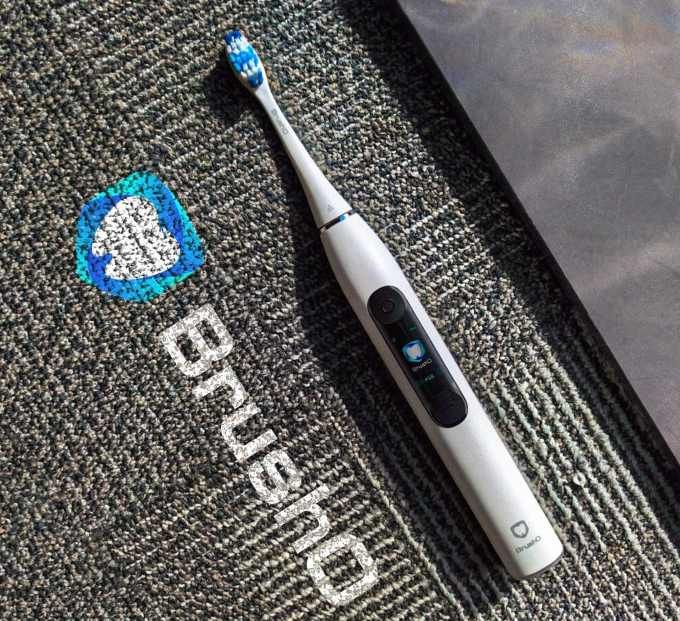
How BrushO Helps Break the Habit
With BrushO’s brushing score system and AI-based feedback, users can track uneven wear, get reminders about oral health habits, and detect early signs of damage caused by habits like pen chewing. The app’s smart analysis reports show if your brushing pressure is uneven or if one area of your mouth is experiencing more stress—often a sign of unconscious chewing or grinding behaviors.
A Habit Worth Breaking
While it may seem minor, biting pens can cause serious damage to your teeth and gums over time. From chipped enamel to jaw problems, the risks are real—but avoidable. By raising awareness, adopting better coping strategies, and using smart oral care tools like BrushO, you can protect your smile and kick the habit for good.
Recent Posts
Do You Always Miss the Same Spot When You Brush?
Are you missing the same spots every time you brush? Discover why brushing blind spots exist, how they affect your oral health, and how smart brushing tech like BrushO helps you never miss a spot again.
What Happens When You Skip Brushing for One Day?
What really happens when you skip brushing your teeth for just one day? Discover the hidden impact of missing a single brushing session and how smart toothbrushes like BrushO help prevent long-term damage.
Can Gum Disease Increase Stroke Risk?
Can poor oral hygiene lead to more than cavities? Discover how gum disease might increase your stroke risk—and how daily brushing with a smart toothbrush like BrushO can protect your brain and heart health.
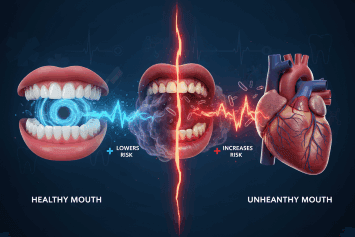
How Oral Health Influences Your Heart Disease Risk
Poor oral health may increase your risk of heart disease. Learn how gum disease, inflammation, and oral bacteria affect cardiovascular health—and how smarter brushing habits can help protect your heart.
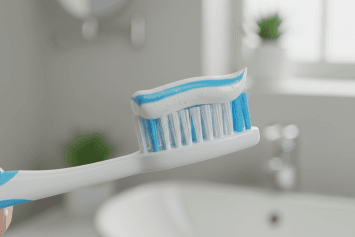
How Much Toothpaste Is Actually Enough?
Wondering how much toothpaste is too much or too little? Learn the dentist-approved amount for adults and children, the risks of overusing toothpaste, and how smart brushing tools like BrushO help maximize every pea-sized dab.
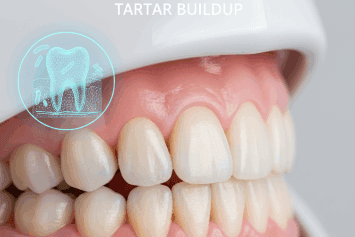
Can You Brush Away Tartar Buildup?
Brushing your teeth daily is essential—but can it actually remove tartar once it forms? Discover the truth about brushing vs tartar, and learn how to prevent hard plaque buildup with proper technique, timing, and tools like AI-powered smart toothbrushes.

Are You Brushing Right After Acidic Foods?
Brushing your teeth right after consuming acidic foods or drinks can damage enamel. Learn the science behind this dental mistake and the best timing for brushing after acidic exposure.
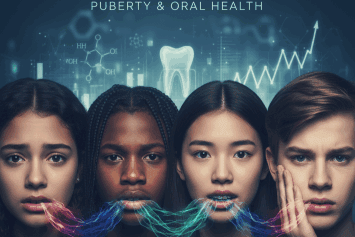
How Puberty Affects Oral Health in Teens
Puberty can significantly impact oral health in teenagers due to hormonal changes. Learn how puberty affects gums, teeth, and oral hygiene, and how to manage it effectively.

How Biting Pens Damages Your Teeth
Biting pens might seem harmless, but it can cause real damage to your teeth and gums. Learn the dental risks of this common habit and how to break it.

Is Chewing Gum Good or Bad for Your Teeth?
Is chewing gum a friend or foe to your dental health? Learn the science-backed pros and cons of chewing gum—and how to choose the right kind for your teeth.