Atrás
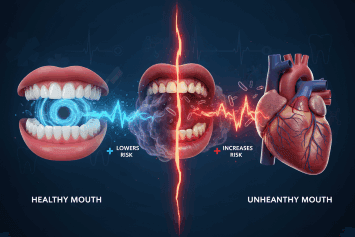
How Oral Health Influences Your Heart Disease Risk3h ago
3h ago
Oral health is often treated as a cosmetic concern—white teeth, fresh breath, a confident smile. However, mounting scientific evidence suggests that the condition of your gums and oral bacteria may significantly impact our cardiovascular health. Chronic gum disease doesn’t stay in the mouth; it can trigger inflammation and bacterial spread throughout the body, increasing the risk of heart disease, stroke, and other serious conditions. Understanding how oral hygiene influences heart health reframes brushing and flossing as preventive healthcare, not just daily maintenance.
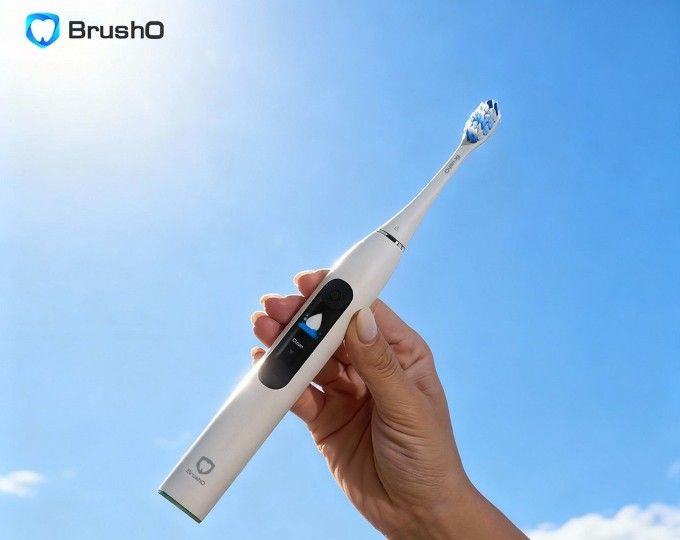
The Scientific Link Between Oral Health and Heart Disease
Gum disease, clinically known as periodontal disease, is a chronic inflammatory condition caused by harmful bacteria accumulating along the gumline. While it begins in the mouth, its effects can extend far beyond it.
Chronic Inflammation and Arterial Damage
Persistent gum inflammation releases inflammatory markers into the bloodstream. These markers can damage blood vessel walls and contribute to atherosclerosis, the hardening and narrowing of arteries—a major risk factor for heart attacks and strokes.
Oral Bacteria Entering the Bloodstream
Everyday actions like brushing, flossing, or chewing can allow oral bacteria to enter the bloodstream when gums are inflamed. Research suggests these bacteria may attach to arterial plaque, accelerating its growth and increasing cardiovascular risk.
Long-Term Immune System Stress
Untreated oral infections keep the immune system in a constant state of alert. Over time, this systemic stress places additional strain on the cardiovascular system, especially in individuals with existing risk factors such as high blood pressure or diabetes. Multiple large-scale studies indicate that people with untreated gum disease are two to three times more likely to develop cardiovascular disease compared to those with healthy gums.
Why Daily Brushing Technique Matters for Heart Health
Brushing regularly is important—but how you brush is just as critical. Inconsistent coverage, excessive pressure, or missed gumline areas allow plaque and bacteria to persist, fueling inflammation.
Smart brushing tools like BrushO help reduce these risks by improving daily technique:
• FSB (Fully Smart Brushing) technology monitors pressure, brushing duration, and coverage across all mouth zones
• Real-time app feedback highlights missed areas before plaque hardens
• Customizable brushing modes support gentle gum care, deep cleaning, or sensitivity protection
By reducing plaque buildup and gum inflammation, effective brushing habits contribute to better oral health—and lower systemic inflammation linked to heart disease.
Daily Habits That Support Both Oral and Heart Health
Protecting your heart often starts with simple, consistent oral care habits:
• Brush thoroughly twice a day, morning and night
• Floss daily to remove plaque between teeth
• Schedule regular dental checkups to catch gum disease early
• Limit sugar and ultra-processed foods that feed harmful bacteria
• Avoid smoking, a major risk factor for both gum disease and heart disease
• Stay hydrated to support saliva production and natural bacterial control
When paired with guided brushing technology, these habits become easier to maintain—and more effective over time.
Why Prevention Starts in the Mouth
The relationship between oral health and heart disease highlights a powerful truth: small daily habits can have lifelong consequences. Preventing gum disease isn’t just about avoiding tooth loss—it’s about reducing inflammation, bacterial spread, and long-term cardiovascular risk. BrushO supports this preventive approach by turning brushing into a measurable, habit-driven routine. With brushing insights and a reward-based system using $BRUSH tokens, users are encouraged to stay consistent—protecting their teeth, gums, and overall health.
About BrushO
BrushO is an AI-powered smart toothbrush designed to elevate daily oral care into a preventive health routine. Using Fully Smart Brushing (FSB) technology, BrushO tracks brushing zones, pressure, and duration, delivering real-time feedback through its app. By promoting consistent, effective brushing and rewarding healthy habits with $BRUSH tokens redeemable for brush head replacements, BrushO helps users protect their oral health—and support long-term wellness.
Publicaciones recientes
Do You Always Miss the Same Spot When You Brush?
Are you missing the same spots every time you brush? Discover why brushing blind spots exist, how they affect your oral health, and how smart brushing tech like BrushO helps you never miss a spot again.
What Happens When You Skip Brushing for One Day?
What really happens when you skip brushing your teeth for just one day? Discover the hidden impact of missing a single brushing session and how smart toothbrushes like BrushO help prevent long-term damage.
Can Gum Disease Increase Stroke Risk?
Can poor oral hygiene lead to more than cavities? Discover how gum disease might increase your stroke risk—and how daily brushing with a smart toothbrush like BrushO can protect your brain and heart health.
How Oral Health Influences Your Heart Disease Risk
Poor oral health may increase your risk of heart disease. Learn how gum disease, inflammation, and oral bacteria affect cardiovascular health—and how smarter brushing habits can help protect your heart.
How Much Toothpaste Is Actually Enough?
Wondering how much toothpaste is too much or too little? Learn the dentist-approved amount for adults and children, the risks of overusing toothpaste, and how smart brushing tools like BrushO help maximize every pea-sized dab.
Can You Brush Away Tartar Buildup?
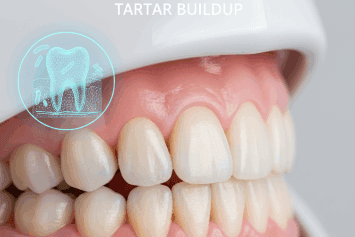
Brushing your teeth daily is essential—but can it actually remove tartar once it forms? Discover the truth about brushing vs tartar, and learn how to prevent hard plaque buildup with proper technique, timing, and tools like AI-powered smart toothbrushes.

Are You Brushing Right After Acidic Foods?
Brushing your teeth right after consuming acidic foods or drinks can damage enamel. Learn the science behind this dental mistake and the best timing for brushing after acidic exposure.
How Puberty Affects Oral Health in Teens
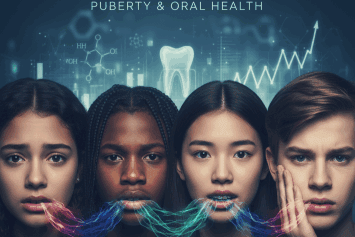
Puberty can significantly impact oral health in teenagers due to hormonal changes. Learn how puberty affects gums, teeth, and oral hygiene, and how to manage it effectively.

How Biting Pens Damages Your Teeth
Biting pens might seem harmless, but it can cause real damage to your teeth and gums. Learn the dental risks of this common habit and how to break it.

Is Chewing Gum Good or Bad for Your Teeth?
Is chewing gum a friend or foe to your dental health? Learn the science-backed pros and cons of chewing gum—and how to choose the right kind for your teeth.