पीछे
Can You Brush Away Tartar Buildup?3h ago
3h ago
Many people assume that brushing more often or harder can eliminate tartar buildup. Unfortunately, once tartar (calculus) has hardened on your teeth, your toothbrush—no matter how advanced—can’t fully remove it. In this article, we’ll explore what tartar is, why brushing can’t remove it, how it forms, and what you can do to prevent tartar from developing in the first place. We’ll also introduce how BrushO’s smart brushing data helps users reduce tartar risk before it starts.
What Is Tartar?
Tartar is hardened dental plaque that forms when plaque isn’t removed effectively. It’s made up of:
• Bacteria
• Food debris
• Salivary minerals
When plaque remains on your teeth for too long, it mineralizes, forming a rock-hard layer called tartar (or calculus). It often appears yellow or brown and typically builds up:
• Behind the lower front teeth
• Along the gumline
• Between teeth
Why Brushing Alone Can’t Remove Tartar
🔬 Tartar is Calcified Plaque
Once tartar forms, it bonds to the enamel surface. Brushing—even aggressively—won’t break it apart. You need:
• Professional dental tools, such as scalers or ultrasonic instruments
• A hygienist or dentist to perform a dental cleaning
Brushing harder won’t help—it can actually damage your enamel and gums instead.
What Brushing Can Do: Plaque Control
Brushing before tartar forms is essential. Plaque typically turns into tartar within 24 to 72 hours if not removed. That means your toothbrush is your first line of defense—but only if:
• You brush twice daily
• Use proper technique (not just fast scrubbing)
• Brush for at least 2 minutes
• Reach all tooth surfaces and gumlines
How BrushO Helps You Stay Ahead of Tartar
BrushO, the AI-powered toothbrush, helps reduce tartar risk through smart feedback and habit tracking:
🧠 Zone-by-Zone Guidance
Instead of the outdated 30-second quadrant method, BrushO uses AI to analyze 6 zones and 16 surfaces, ensuring no area is skipped—which is key for removing plaque before it turns to tartar.
💡 Brushing Data Reports
BrushO’s app delivers real-time data, scoring your brushing and alerting you to consistently missed zones—often where tartar forms first.
📊 Long-Term Habit Tracking
With daily brushing scores, BrushO users build routines proven to reduce plaque, preventing tartar buildup over time.
Can Tartar Be Removed at Home?
Not really. Despite some myths, DIY tartar scrapers, baking soda pastes, or vinegar rinses aren’t safe or effective. These can:
• Injure your gums
• Weaken enamel
• Leave residual tartar behind
Always leave tartar removal to professionals.
Best Practices to Prevent Tartar
• Brush twice daily with fluoride toothpaste
• Use an electric toothbrush with feedback systems like BrushO
• Floss once a day
• Use antimicrobial mouthwash if recommended
• Visit your dentist every 6 months
• Limit sugary and starchy foods
You Can’t Brush It Off, But You Can Brush It Away—Before It Hardens
Tartar can’t be removed at home—but it can be prevented with smart, consistent brushing. By upgrading your brushing habits and tools—especially with AI-guided solutions like BrushO—you stay ahead of the problem. Don’t wait for tartar to send you to the dentist. Let your toothbrush be your daily defense.
हाल ही में पोस्ट किए गए लेख
Do You Always Miss the Same Spot When You Brush?
Are you missing the same spots every time you brush? Discover why brushing blind spots exist, how they affect your oral health, and how smart brushing tech like BrushO helps you never miss a spot again.
What Happens When You Skip Brushing for One Day?
What really happens when you skip brushing your teeth for just one day? Discover the hidden impact of missing a single brushing session and how smart toothbrushes like BrushO help prevent long-term damage.
Can Gum Disease Increase Stroke Risk?
Can poor oral hygiene lead to more than cavities? Discover how gum disease might increase your stroke risk—and how daily brushing with a smart toothbrush like BrushO can protect your brain and heart health.
How Oral Health Influences Your Heart Disease Risk
Poor oral health may increase your risk of heart disease. Learn how gum disease, inflammation, and oral bacteria affect cardiovascular health—and how smarter brushing habits can help protect your heart.
How Much Toothpaste Is Actually Enough?
Wondering how much toothpaste is too much or too little? Learn the dentist-approved amount for adults and children, the risks of overusing toothpaste, and how smart brushing tools like BrushO help maximize every pea-sized dab.
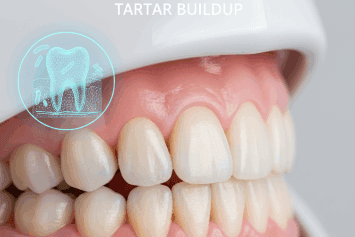
Can You Brush Away Tartar Buildup?
Brushing your teeth daily is essential—but can it actually remove tartar once it forms? Discover the truth about brushing vs tartar, and learn how to prevent hard plaque buildup with proper technique, timing, and tools like AI-powered smart toothbrushes.

Are You Brushing Right After Acidic Foods?
Brushing your teeth right after consuming acidic foods or drinks can damage enamel. Learn the science behind this dental mistake and the best timing for brushing after acidic exposure.
How Puberty Affects Oral Health in Teens
Puberty can significantly impact oral health in teenagers due to hormonal changes. Learn how puberty affects gums, teeth, and oral hygiene, and how to manage it effectively.

How Biting Pens Damages Your Teeth
Biting pens might seem harmless, but it can cause real damage to your teeth and gums. Learn the dental risks of this common habit and how to break it.

Is Chewing Gum Good or Bad for Your Teeth?
Is chewing gum a friend or foe to your dental health? Learn the science-backed pros and cons of chewing gum—and how to choose the right kind for your teeth.