पीछे
How Much Toothpaste Is Actually Enough?3h ago
3h ago
When it comes to brushing your teeth, more isn’t always better. Many people overestimate the amount of toothpaste needed for effective oral care. While flashy foam may feel satisfying, it’s not an indicator of cleanliness—and using too much toothpaste, especially in children, can lead to fluoride overexposure and other dental concerns. This article breaks down the optimal amount of toothpaste, explains the science behind toothpaste ingredients, and explores how tools like the BrushO smart toothbrush ensure that even a pea-sized dab does its job with precision.
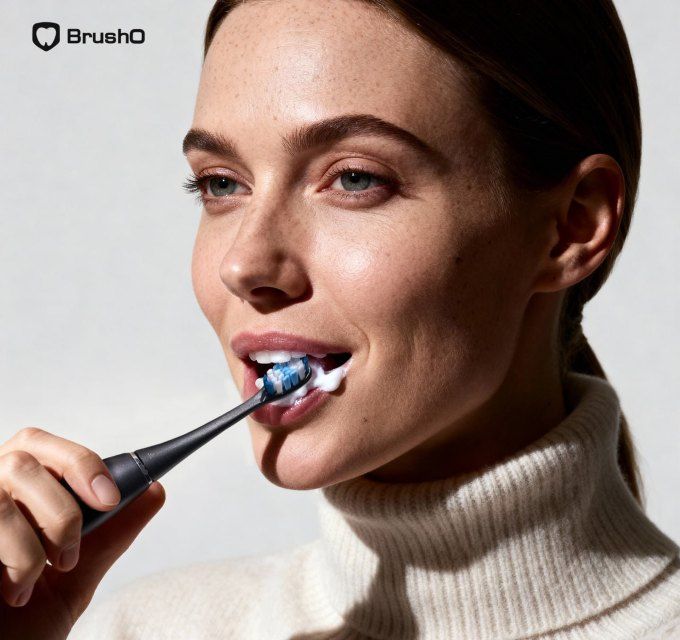
Recommended Toothpaste Amounts by Age
According to dentists and the American Dental Association (ADA), here’s how much toothpaste you really need:
🧑 Adults and children over 6: A pea-sized amount
👦 Children 3–6 years old: A rice-grain-sized amount
👶 Children under 3: A tiny smear (under parental guidance)
🛑 More is not better. Overloading the brush can:
• Increase the risk of fluoride ingestion
• Cause excessive foaming, making it harder to brush for 2 full minutes
• Create a false sense of cleanliness
Why Toothpaste Amount Matters
Toothpaste isn’t just for minty freshness. It contains active ingredients that require precise dosing:
• Fluoride: Strengthens enamel and prevents cavities—but too much can lead to fluorosis in kids or digestive discomfort if swallowed
• Abrasives: Polish and remove stains, but overuse can lead to enamel erosion
• Detergents: Create foam but may irritate gums when overused
Using the correct amount ensures optimal benefit without side effects.
Technique Over Quantity: How You Brush Matters Most
Toothpaste alone can’t do the job. Proper brushing technique is far more important than the amount you use.
Key habits include:
⏱️ Brush for 2 full minutes, not 30 seconds
🪥 Use gentle pressure to avoid gum recession or enamel damage
🌐 Reach all zones—front, back, gumlines, molars, and tongue
How BrushO Helps Improve Brushing Technique
• FSB Technology monitors time, pressure, and coverage
• Smart App Feedback pinpoints areas often missed
• Custom Modes adapt for sensitive teeth, whitening, or deep cleaning
With BrushO, even a tiny amount of toothpaste leads to whole-mouth coverage and optimized plaque removal.
Tips for Proper Toothpaste Use
✅ Apply only the recommended amount (pea-sized or less)
✅ Brush twice daily, morning and night
✅ Use fluoride toothpaste approved by dentists
✅ Instruct kids to spit, not swallow
✅ Rinse lightly after brushing to keep fluoride active on enamel
Why Smart Brushing Is the Game-Changer
Most people either:
• Use too much toothpaste, thinking it improves cleaning
• Or brush poorly despite using enough
That’s where BrushO steps in:
• AI tracks how much time and pressure you apply
• App visualizes missed zones
• Kids and adults get brushing scores, turning oral care into a habit-building routine
Even with a pea-sized dab, BrushO ensures your brushing is effective, gentle, and rewarding.
Small Amount, Big Impact
The right amount of toothpaste—paired with smart technique—is the key to long-term oral health. You don’t need a brush full of foam. You need consistency, proper coverage, and the right tools. Make every brushing session count—with just the right amount of toothpaste and the right toothbrush to guide you.
हाल ही में पोस्ट किए गए लेख
Do You Always Miss the Same Spot When You Brush?
Are you missing the same spots every time you brush? Discover why brushing blind spots exist, how they affect your oral health, and how smart brushing tech like BrushO helps you never miss a spot again.
What Happens When You Skip Brushing for One Day?
What really happens when you skip brushing your teeth for just one day? Discover the hidden impact of missing a single brushing session and how smart toothbrushes like BrushO help prevent long-term damage.
Can Gum Disease Increase Stroke Risk?
Can poor oral hygiene lead to more than cavities? Discover how gum disease might increase your stroke risk—and how daily brushing with a smart toothbrush like BrushO can protect your brain and heart health.
How Oral Health Influences Your Heart Disease Risk
Poor oral health may increase your risk of heart disease. Learn how gum disease, inflammation, and oral bacteria affect cardiovascular health—and how smarter brushing habits can help protect your heart.
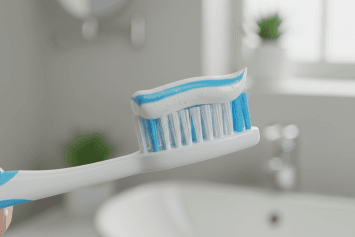
How Much Toothpaste Is Actually Enough?
Wondering how much toothpaste is too much or too little? Learn the dentist-approved amount for adults and children, the risks of overusing toothpaste, and how smart brushing tools like BrushO help maximize every pea-sized dab.
Can You Brush Away Tartar Buildup?
Brushing your teeth daily is essential—but can it actually remove tartar once it forms? Discover the truth about brushing vs tartar, and learn how to prevent hard plaque buildup with proper technique, timing, and tools like AI-powered smart toothbrushes.

Are You Brushing Right After Acidic Foods?
Brushing your teeth right after consuming acidic foods or drinks can damage enamel. Learn the science behind this dental mistake and the best timing for brushing after acidic exposure.
How Puberty Affects Oral Health in Teens
Puberty can significantly impact oral health in teenagers due to hormonal changes. Learn how puberty affects gums, teeth, and oral hygiene, and how to manage it effectively.

How Biting Pens Damages Your Teeth
Biting pens might seem harmless, but it can cause real damage to your teeth and gums. Learn the dental risks of this common habit and how to break it.

Is Chewing Gum Good or Bad for Your Teeth?
Is chewing gum a friend or foe to your dental health? Learn the science-backed pros and cons of chewing gum—and how to choose the right kind for your teeth.