Indietro
Is Your Baby’s Pacifier Harming Their Future Smile?1d ago
1d ago
Pacifiers can be lifesavers for fussy babies, helping them sleep better and self-soothe. But prolonged or improper use of pacifiers may have long-term effects on your child’s oral development. From misaligned teeth to altered jaw structure, it’s important to understand the dental risks associated with pacifier use—and how to avoid them. This article explores how to protect your baby’s future smile while still using pacifiers safely and mindfully.
How Pacifiers Affect Oral Development
Pacifiers mimic the sucking reflex, which is natural and comforting for infants. However, extended use—especially beyond the age of 2—can interfere with natural oral and facial development in ways such as:
• Open bite: A gap between upper and lower teeth, even when the mouth is closed
• Overbite: Upper teeth pushing far beyond the lower teeth
• Crossbite: Misalignment where the upper teeth fit inside the lower teeth
• Changes in palate shape: Narrowing of the upper jaw or high-arched palate
These changes may require orthodontic intervention later if not managed early.
When Does Pacifier Use Become Harmful?
Age Milestones Matter
• 0–6 months: Safe and beneficial. Reduces risk of SIDS (Sudden Infant Death Syndrome).
• 6–18 months: Still generally safe, but should start limiting usage to sleep time.
• 18 months–3 years: Risk of dental misalignment increases. Monitor closely.
• After age 3: Strongly advised to wean off. Dental complications become more likely.
Signs Your Baby’s Smile Might Be Affected
Look out for these early red flags:
• Teeth not coming in straight
• Mouth always slightly open, even at rest
• Trouble chewing or speaking sounds clearly
• Receding gums or visible bite issues
Early detection allows for preventive action. Pediatric dentists can evaluate alignment and growth even before all baby teeth erupt.
Smart Parenting Tips for Healthy Smiles
✅ How to Use Pacifiers Without Harming Dental Development
• Choose orthodontic pacifiers: Designed to minimize pressure on gums and teeth
• Never dip in sweet substances: This can cause early childhood cavities
• Sterilize and replace regularly: Avoid bacterial buildup and material degradation
• Limit usage to bedtime: Avoid “all-day” reliance
• Wean off by age 2–3: Use gradual reduction methods like shortening usage time or offering a comforting toy instead
How Smart Oral Habits Start Early
Although brushing starts later, early oral care routines lay the foundation for a healthy smile. Here’s how:
• Wipe baby’s gums with a soft cloth after feedings to reduce bacterial buildup
• Start brushing when the first tooth appears, using a baby toothbrush
• Switch to a smart toothbrush like BrushO once they’re older to build good brushing habits from the start
BrushO’s child-friendly AI brushing assistant helps guide kids through brushing routines, ensuring they learn correct techniques and avoid common brushing mistakes—supporting healthy smiles for years to come.
A Balanced Approach to Soothing and Smiling
Pacifiers are not inherently bad—but how and how long you use them matters. With age-appropriate weaning, careful monitoring, and early dental checkups, you can protect your child’s smile from long-term damage. And when brushing begins, combining those habits with BrushO’s smart brushing system ensures your child develops not just a straight smile, but a healthy one too.
Post recenti
Is Your Baby’s Pacifier Harming Their Future Smile?
Pacifiers may soothe your baby now, but are they silently shaping their future smile—for better or worse? Learn the dental effects and how to manage safe pacifier use.
Why Hydration Is Essential for Oral Health
Staying hydrated does more than refresh your body—it’s crucial for your teeth and gums. Learn how proper hydration prevents bad breath, decay, and gum disease.
How Your Daily Coffee Habits Shape Your Oral Future
Discover how your daily coffee habits affect your oral health—from enamel erosion to staining—and how smart brushing can help preserve your smile.
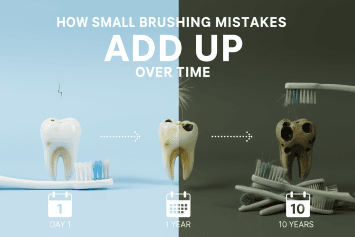
How Small Brushing Mistakes Add Up Over Time
Even minor brushing errors can cause major oral health issues over time. Discover the common mistakes, their long-term effects, and how BrushO can help you fix them before it’s too late.
How Long Does It Take to See Results from Better Brushing?
Wondering how long it takes to improve your oral health with better brushing? Learn what changes to expect—and when—with smart brushing habits and BrushO’s AI-powered guidance.
Is It Time to Replace Your Toothbrush Head?
Old toothbrush heads lose cleaning power and may harbor bacteria. Learn how often to replace them and how BrushO’s smart reminders ensure your brushing stays effective and hygienic.
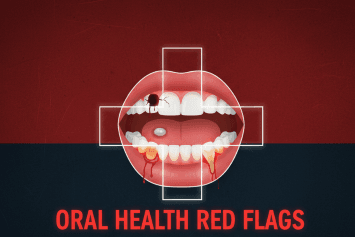
Oral Health Red Flags You Should Never Ignore
Ignoring signs like bleeding gums, persistent bad breath, or tooth sensitivity can lead to serious dental issues. Learn the key oral health red flags you should never overlook and how smart tools like BrushO can help detect them early.
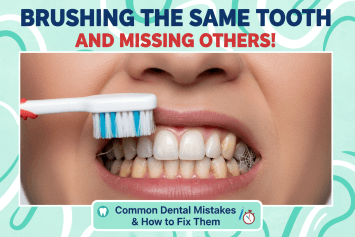
Are You Brushing the Same Tooth and Missing Others?
Brushing the same spot over and over while neglecting others can cause plaque buildup, gum problems, and uneven enamel wear. Discover how smart brushing technology ensures complete, balanced oral care.
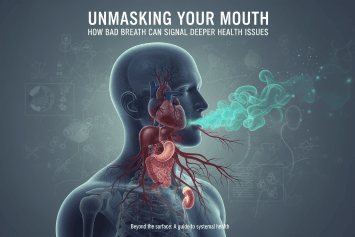
How Bad Breath Can Signal Deeper Health Issues
Bad breath isn’t just a hygiene issue—it can be an early warning sign of deeper health problems like gum disease, diabetes, or digestive disorders. Learn how to identify the cause and take action with smart brushing solutions.
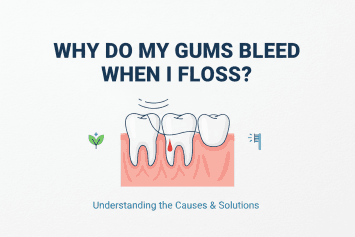
Why Do My Gums Bleed When I Floss?
Bleeding gums during flossing is a common but concerning sign. Discover the causes, prevention strategies, and how BrushO smart toothbrush can improve your gum health and stop bleeding for good.