Indietro
What Causes Mouth Ulcers and How to Prevent ThemNov 26
Nov 26
Mouth ulcers, also known as canker sores, are painful lesions that appear inside the mouth and can make eating, drinking, and even brushing uncomfortable. While stress, diet, and immunity play roles, poor oral hygiene is often an overlooked factor. In this article, we explore what causes mouth ulcers, how brushing technique affects their frequency, and what you can do to prevent them — including how BrushO’s smart toothbrush technology can help protect your oral health.

What Are Mouth Ulcers?
Mouth ulcers are small, shallow sores that develop on the soft tissues inside your cheeks, lips, tongue, or gums. They are not contagious like cold sores but can be extremely uncomfortable, especially when eating spicy or acidic foods.
Common Causes of Mouth Ulcers
Understanding what triggers mouth ulcers is the first step in prevention. Here are the most common causes:
1. Stress and Fatigue
Emotional stress and lack of sleep can weaken your immune system, making you more prone to ulcers.
2. Poor Oral Hygiene
Failing to clean your mouth thoroughly allows bacteria to accumulate, which can irritate soft tissue and lead to sores.
3. Brushing Too Hard
Using too much pressure or a stiff-bristled brush can damage the mouth’s delicate lining, especially around the gums and cheeks.
4. Nutritional Deficiencies
Lack of vitamin B12, iron, or folate is linked to frequent mouth ulcers.
5. Hormonal Changes
Women may experience ulcers during menstrual cycles due to hormonal shifts.
6. Food Sensitivities
Certain foods like citrus, nuts, and spicy dishes can irritate the mouth and trigger ulcers.
Why Brushing Technique Matters
Many people don’t realize that how you brush matters as much as how often. Brushing aggressively can lead to small injuries in the mouth lining, especially along the gumline and inner cheeks. These microabrasions create opportunities for ulcers to form — particularly when bacteria aren’t properly cleaned away.
BrushO’s Solution:
BrushO uses Fully Smart Brushing (FSB) technology to monitor brushing pressure and surface coverage. Real-time feedback helps prevent overbrushing while ensuring thorough cleaning, reducing both mechanical trauma and bacterial buildup — two key contributors to ulcers.
How to Prevent Mouth Ulcers
Preventing ulcers isn’t just about avoiding spicy food. A consistent oral care routine combined with smarter tools can significantly reduce your risk.
✅ Tips for Prevention:
• Use a soft-bristled, pressure-sensitive toothbrush like BrushO.
• Brush gently but thoroughly, especially near the gumline.
• Stay hydrated to maintain a healthy oral environment.
• Manage stress through meditation, exercise, or journaling.
• Take vitamin supplements if you’re deficient in B12 or iron.
• Avoid known food triggers if you’re prone to ulcers.
How BrushO Can Help
BrushO is more than a toothbrush — it’s a smart oral health coach. With zone-by-zone coverage tracking, pressure sensors, and gentle alerts, BrushO ensures you clean without harming sensitive mouth areas. By reinforcing proper brushing technique and reducing the risk of tissue damage, BrushO users report fewer oral irritations and improved comfort.
Final Thoughts
Mouth ulcers may seem like minor nuisances, but they’re signals from your body that something needs attention — whether it’s your brushing habits, diet, or stress levels. With smart tools like BrushO, you can take control of your oral health and prevent these painful sores before they start.
How to Know If You’re Brushing Too Often
Nov 26
BrushO Is Building a Toothbrush People Actually Love
Nov 24
Post recenti
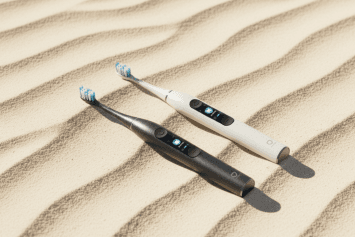
What Your Smart Toothbrush Knows About You?
Discover what your smart toothbrush is really tracking—pressure, brushing zones, timing, and habits—and how this data helps you improve oral health.

Understanding the Sensors in Smart Toothbrushes
Learn how the sensors in smart toothbrushes work, including pressure, motion, and location tracking, and how they improve brushing technique for healthier teeth and gums.
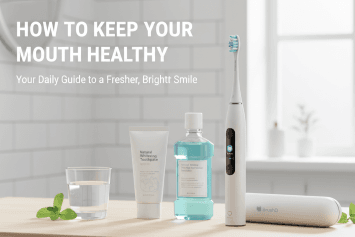
How to Keep Your Mouth Healthy?
Want a healthier smile? Learn how to keep your mouth healthy with simple daily habits, smart tools like BrushO, and expert-backed oral hygiene tips.

Why You Shouldn’t Rely on Mints for Fresh Breath
Mints may offer instant freshness, but they don’t address the root causes of bad breath. Learn why relying on mints could be masking deeper oral health issues—and what to do instead.
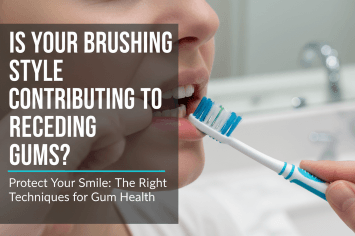
Is Your Brushing Style Contributing to Receding Gums?
Brushing too hard or using the wrong technique can lead to receding gums. Learn how your brushing style may be harming your gums—and how to fix it with smarter tools like BrushO.
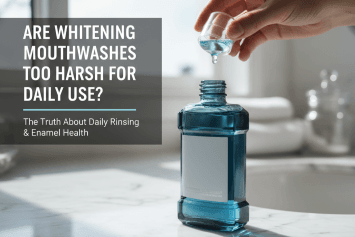
Are Whitening Mouthwashes Too Harsh for Daily Use?
Are whitening mouthwashes damaging your teeth and gums with daily use? Discover the truth about their ingredients, effects, and how to use them safely.
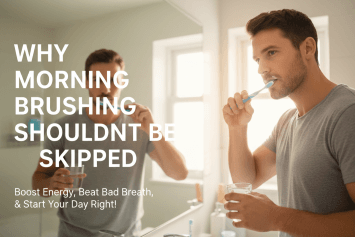
Why Morning Brushing Shouldn’t Be Skipped
Morning brushing isn’t just a hygiene habit—it’s your first defense against overnight bacteria, bad breath, and plaque. Learn why skipping it is a mistake.

Can Your Toothbrush Harbor Dangerous Bacteria?
Think your toothbrush is clean? Discover how harmful bacteria can hide in plain sight and learn how AI-powered tools like BrushO keep your brushing routine truly hygienic.
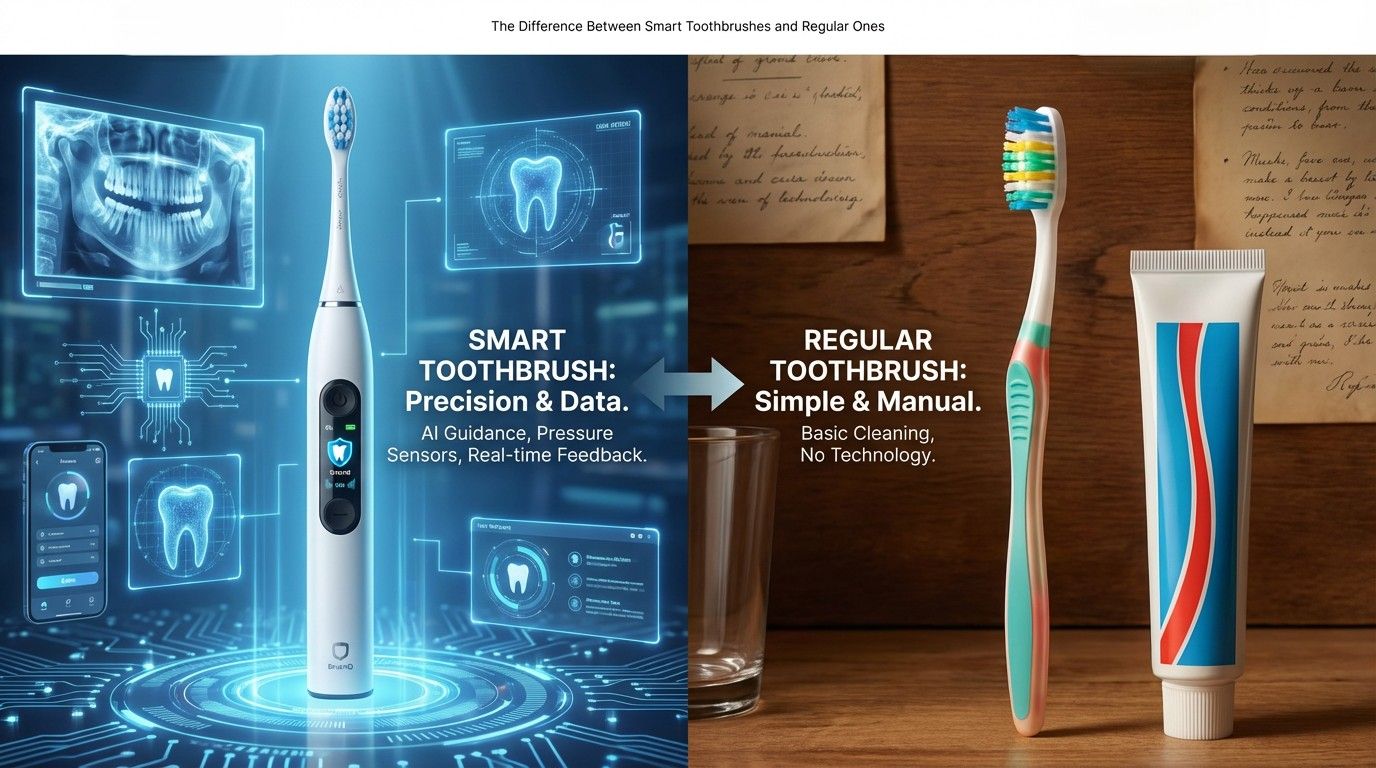
The Difference Between Smart Toothbrushes and Regular Ones
Smart toothbrushes use sensors, AI, and real-time feedback to improve brushing habits, while regular toothbrushes rely on manual technique. Learn the key differences and how they impact oral health.
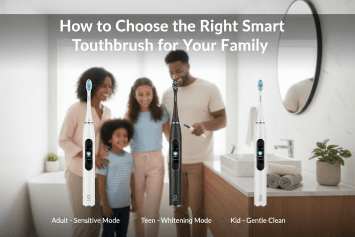
How to Choose the Right Smart Toothbrush for Your Family
Choosing the right smart toothbrush for your family means balancing oral health needs, age differences, safety, and smart features. This guide explains how to select the best smart toothbrush for every family member.