How to Know If You’re Brushing Too OftenNov 26
Nov 26
Many people believe that brushing more frequently equals better oral health—but that’s not always true. Overbrushing can wear down your enamel, damage your gums, and cause long-term sensitivity. In this article, we explore how to know if you’re brushing too often, the dangers it poses to your teeth and gums, and how smart brushing technology like BrushO helps ensure a healthy, balanced routine.

🪥 Why More Isn’t Always Better in Oral Care
We’re often told to brush twice a day—and for good reason. This frequency is scientifically supported for removing plaque and preventing cavities. However, some people take it to the extreme, brushing after every snack or drink. While the intention is good, overbrushing can lead to serious problems like:
• Enamel erosion
• Gum recession
• Tooth sensitivity
• Inflammation and bleeding
Brushing isn’t about quantity. It’s about technique, timing, and pressure.
⚠️ Signs You Might Be Brushing Too Often
If you’re brushing three or more times a day, especially with aggressive pressure, watch out for these warning signs:
• Teeth feeling more sensitive to hot or cold
• Gums pulling away from your teeth (recession)
• Visible yellowing (exposed dentin under enamel)
• Fraying toothbrush bristles within a few weeks
These are clear indicators that your oral care routine might be doing more harm than good.
🧪 The Science Behind Overbrushing
When you brush too often—especially within 30 minutes of eating acidic foods or drinks—you risk scrubbing away softened enamel before it has a chance to remineralize. This leads to permanent enamel loss. Additionally, overbrushing can create micro-cuts in the gumline, leaving you vulnerable to infection and gum disease. Once gums recede, they don’t grow back naturally.
⏱️ How Often Should You Brush?
According to most dental associations:
• Twice daily is sufficient for most people
• Brush once in the morning, once before bed
• Wait at least 30 minutes after eating before brushing
• Focus on technique, not frequency
🧠 How BrushO Prevents Overbrushing Damage
Smart brushing isn’t just about getting clean—it’s about protecting what’s already healthy.
BrushO’s Fully Smart Brushing (FSB) technology helps users avoid the risks of overbrushing by:
🚨 Detecting pressure and alerting when you’re brushing too hard
📈 Tracking frequency to prevent brushing more than necessary
📊 Providing feedback reports on coverage, pressure, and consistency
🎯 Scoring brushing behavior to encourage proper routines, not excess
By providing zone-specific guidance and reminders, BrushO ensures you brush enough—but not too much.
🧘 Smart Brushing = Healthy Habits
Good brushing is about balance. BrushO helps you:
• Avoid overbrushing damage
• Focus on the right technique
• Build sustainable routines
• Feel confident that you’re doing just enough
Let technology take the guesswork out of your oral care and protect the health of your enamel and gums for life.
💡 Takeaway
If your teeth are clean but your gums are sore, you’re likely brushing too often or too hard. With BrushO, smart feedback and gentle guidance ensure you’re brushing just right—every time.
Can Your Toothbrush Help You Sleep Better?
Nov 26
What Causes Mouth Ulcers and How to Prevent Them
Nov 26
Recent Posts
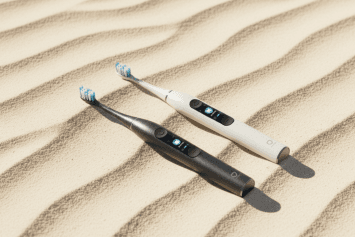
What Your Smart Toothbrush Knows About You?
Discover what your smart toothbrush is really tracking—pressure, brushing zones, timing, and habits—and how this data helps you improve oral health.

Understanding the Sensors in Smart Toothbrushes
Learn how the sensors in smart toothbrushes work, including pressure, motion, and location tracking, and how they improve brushing technique for healthier teeth and gums.
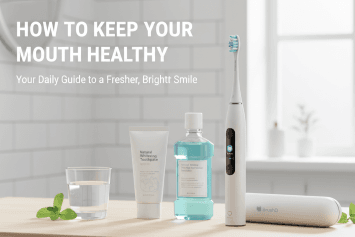
How to Keep Your Mouth Healthy?
Want a healthier smile? Learn how to keep your mouth healthy with simple daily habits, smart tools like BrushO, and expert-backed oral hygiene tips.

Why You Shouldn’t Rely on Mints for Fresh Breath
Mints may offer instant freshness, but they don’t address the root causes of bad breath. Learn why relying on mints could be masking deeper oral health issues—and what to do instead.
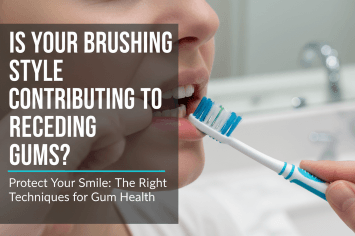
Is Your Brushing Style Contributing to Receding Gums?
Brushing too hard or using the wrong technique can lead to receding gums. Learn how your brushing style may be harming your gums—and how to fix it with smarter tools like BrushO.
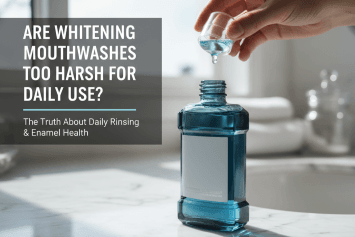
Are Whitening Mouthwashes Too Harsh for Daily Use?
Are whitening mouthwashes damaging your teeth and gums with daily use? Discover the truth about their ingredients, effects, and how to use them safely.
Why Morning Brushing Shouldn’t Be Skipped
Morning brushing isn’t just a hygiene habit—it’s your first defense against overnight bacteria, bad breath, and plaque. Learn why skipping it is a mistake.

Can Your Toothbrush Harbor Dangerous Bacteria?
Think your toothbrush is clean? Discover how harmful bacteria can hide in plain sight and learn how AI-powered tools like BrushO keep your brushing routine truly hygienic.
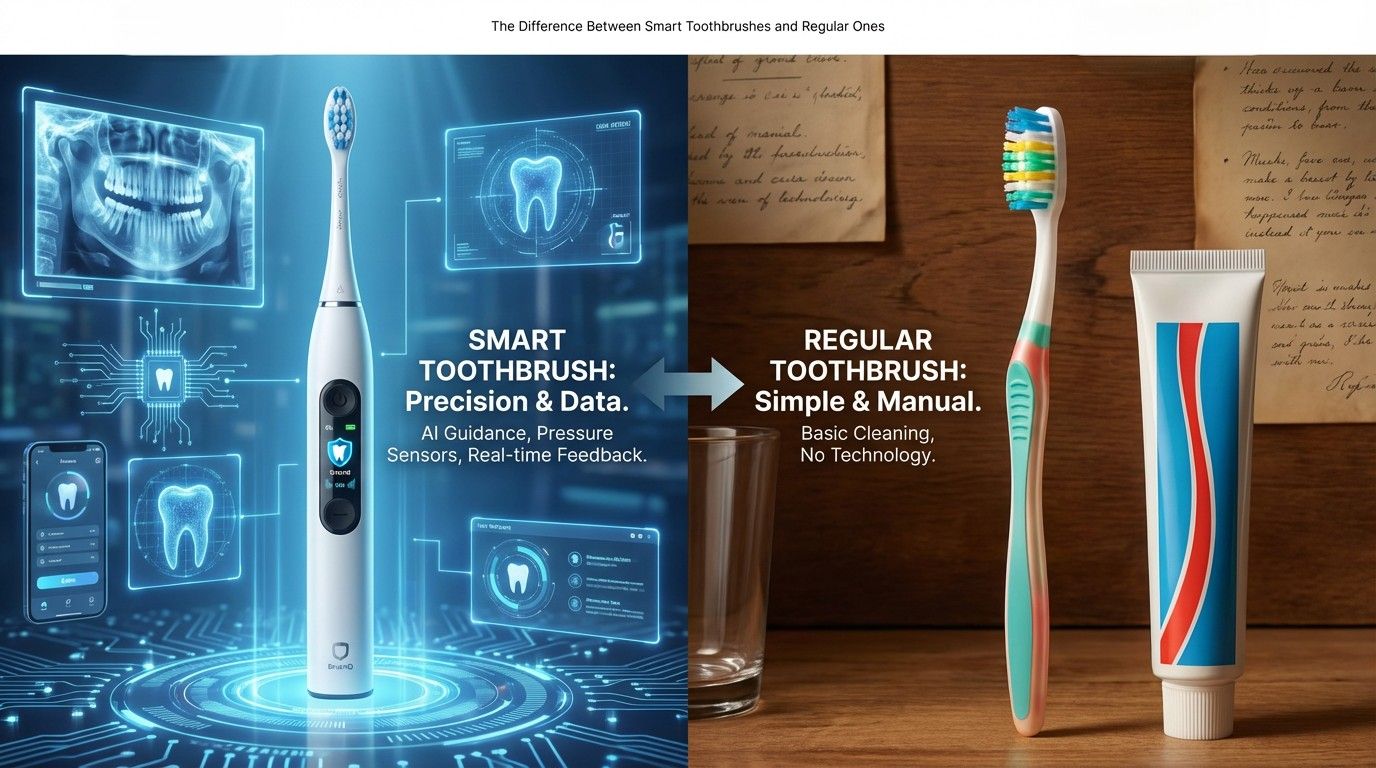
The Difference Between Smart Toothbrushes and Regular Ones
Smart toothbrushes use sensors, AI, and real-time feedback to improve brushing habits, while regular toothbrushes rely on manual technique. Learn the key differences and how they impact oral health.
How to Choose the Right Smart Toothbrush for Your Family
Choosing the right smart toothbrush for your family means balancing oral health needs, age differences, safety, and smart features. This guide explains how to select the best smart toothbrush for every family member.