Do Charcoal Toothpastes Really Work?5h ago
5h ago
Charcoal toothpaste has become a buzzword in oral care, promising whiter teeth, fresher breath, and natural stain removal. Infused with activated charcoal, these products appeal to those seeking “natural” and instant results. But does charcoal toothpaste actually work — or could it be doing more harm than good? In this article, we delve into the scientific evidence, explain how charcoal interacts with enamel and stains, discuss its pros and cons, and offer expert guidance on effective and safe alternatives. Whether you’re considering using charcoal toothpaste or want to know how it compares to smart brushing tools like BrushO, this guide has you covered.
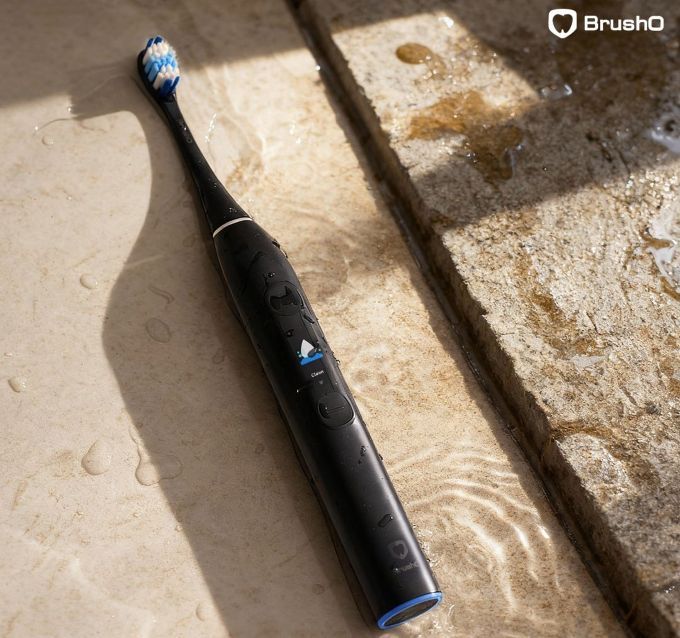
What Is Charcoal Toothpaste?
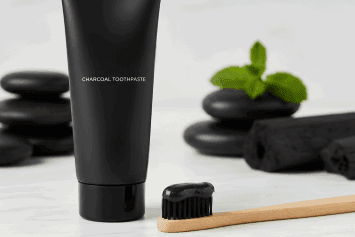
Charcoal toothpaste typically contains activated charcoal, which is a highly porous form of carbon processed at high temperatures. The idea is that its tiny pores adsorb (bind to) surface stains and pigments on teeth, potentially making them look whiter. Activated charcoal has been used in medicine for toxin adsorption, but its role in oral hygiene is controversial and less scientifically established.
Does Charcoal Toothpaste Actually Whiten Teeth?
Surface Stain Removal
Activated charcoal can help remove surface stains caused by:
• Coffee
• Tea
• Red wine
• Smoking
Charcoal particles may adsorb pigments on the outer layer of enamel, offering a mild whitening effect. Users often report immediate visual improvements, especially on surface stains.
Does It Change the Natural Color of Teeth?
No. Charcoal toothpaste doesn’t change the intrinsic color of your teeth — the shade determined by dentin beneath the enamel. It mainly affects extrinsic stains on the surface.
Is the Effect Long‑Lasting?
Not necessarily. Any whitening effect from charcoal toothpaste is usually mild and temporary. For deeper whitening, products like professional-grade whitening strips, dentist-administered treatments, or smart brushing routines that reduce plaque buildup over time are more effective.
Risks and Limitations
1. Abrasiveness
Many charcoal formulas are more abrasive than regular toothpaste. This means they can:
• Wear down enamel
• Increase tooth sensitivity
• Expose dentin (yellowish layer), paradoxically making teeth appear darker
Not all charcoal toothpastes are equally abrasive, but some score high on the Relative Dentin Abrasivity (RDA) scale.
2. Lack of Fluoride
Some charcoal toothpastes lack fluoride, a key ingredient that helps:
• Strengthen enamel
• Prevent cavities
• Promote remineralization
Without fluoride, long-term use may reduce decay protection.
3. Staining & Mess
Charcoal powder can be messy and may temporarily stain:
• Toothbrush bristles
• Bathroom fixtures
• Dental restorations (crowns, veneers)
What Dental Experts Say
Many dentists are cautious about recommending charcoal toothpaste due to concerns about abrasivity and enamel safety. The American Dental Association (ADA) has not universally endorsed charcoal products because:
• Scientific evidence is limited
• Whiter appearance may come at the cost of enamel wear
• Claims are often based on anecdote rather than controlled studies
Safe and Effective Alternatives
If your goal is whitening with oral health in mind, consider:
⭐️ Fluoride Toothpaste + Proper Brushing
Using a toothpaste with fluoride helps prevent decay while gently cleaning stains. Combined with proper technique, this is more effective than abrasive products.
⭐️ Smart Toothbrush Technology
Smart toothbrushes like BrushO elevate standard brushing with:
• Real‑time feedback on pressure, duration, and coverage
• FSB (Fully Smart Brushing) technology to reduce plaque and tartar
• Custom modes to support gum care, sensitive teeth, and deeper cleaning
These features help remove plaque buildup, a major contributor to staining and discoloration.
⭐️ Professional Whitening
Dentist‑supervised whitening is scientifically proven to be safer and more effective for intrinsic and deep stains.
Tips If You Choose Charcoal Toothpaste
If you still want to try charcoal toothpaste:
✔️ Use only occasionally — not as a daily substitute
✔️ Choose products with fluoride where possible
✔️ Be gentle — avoid scrubbing hard
✔️ Monitor sensitivity — stop if teeth become sore
✔️ Pair with a fluoride mouthwash or smart brushing routine
Moderation and Technique Matter More Than Hype
Charcoal toothpaste may have a role in removing surface stains, but its effectiveness is limited, and it can pose risks due to abrasivity and lack of fluoride. For long‑term oral health and effective stain control, prioritize proper brushing technique, fluoride toothpaste, and tools like the BrushO smart toothbrush. These combine gentle cleaning, real‑time guidance, and habit tracking to help you achieve a brighter smile without compromising enamel or gum health.
How Real-Time Feedback Changes Daily Brushing Habits
4h ago
How Sinus Issues Can Cause Bad Breath
5h ago
最新の投稿
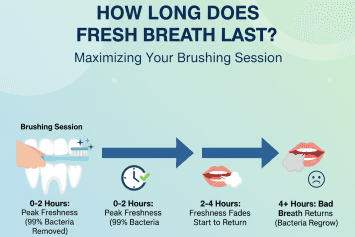
How Long Can One Brushing Session Keep Mouth Fresh?
How long does fresh breath really last after brushing? Learn what affects oral freshness, how brushing technique matters, and how smart brushing with BrushO helps your mouth stay fresh longer.
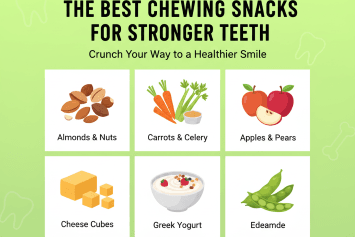
The Best Chewing Snacks for Stronger Teeth
Discover the best tooth-friendly chewing snacks that naturally strengthen teeth and support oral hygiene. Learn which foods help stimulate saliva and clean your mouth—without damaging your enamel.
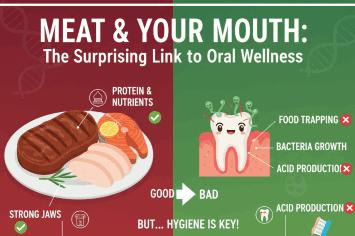
Excess Meat and Oral Health
High meat consumption may impact oral health more than you think. Learn how excess meat affects gum health, plaque buildup, acidity, and cavity risk—and how smart brushing can help protect your teeth.

How Hot Beverages Affect Your Teeth and Oral Health
Hot drinks like coffee and tea may feel comforting, but their heat and acidity can damage enamel, stain teeth, and increase sensitivity. Learn how to protect your oral health while still enjoying your favorite beverages.

Can Spicy Foods Damage Your Gums?
Can eating spicy food harm your gums? Discover how chili peppers and hot sauces may irritate your gum tissue, worsen existing gum problems, and what to do about it.

Can Colds and Flu Affect Your Breath?
Can seasonal illnesses like colds and flu cause bad breath? Learn how respiratory infections influence your oral health and what you can do to maintain fresh breath during sickness.

The Oral Health Risks of Dried Fruits
Dried fruits may seem like a healthy snack, but their high sugar content and sticky texture can increase the risk of cavities, enamel erosion, and gum problems. Learn how dried fruits affect oral health and how to protect your teeth.
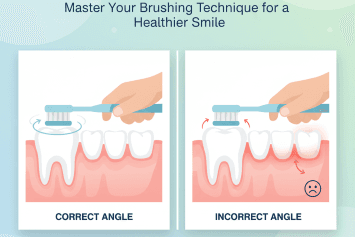
The Right Angle to Hold Your Toothbrush
Learn the correct angle to hold your toothbrush for optimal plaque removal and gum health. Discover how a 45-degree brushing angle improves oral hygiene and prevents gum disease.

How Real-Time Feedback Changes Daily Brushing Habits
Discover how real-time feedback from smart toothbrushes revolutionizes daily brushing habits, improves technique, and boosts oral hygiene outcomes through personalized data-driven insights.
Do Charcoal Toothpastes Really Work?
Charcoal toothpaste has surged in popularity for teeth whitening, but does it really work? Explore the science, benefits, limitations, and risks of charcoal toothpaste—and how to achieve teeth whitening safely.