How Sinus Issues Can Cause Bad Breath3h ago
3h ago
Bad breath, medically known as halitosis, is often associated with poor oral hygiene or diet. However, one of the most overlooked causes of persistent bad breath is sinus problems. Conditions like sinus infections, allergies, or chronic sinusitis can lead to postnasal drip and bacterial buildup in the throat and mouth, triggering unpleasant odors that are difficult to eliminate through regular brushing alone. This article explores how sinus issues cause bad breath, why proper oral hygiene isn’t always enough, and what you can do to manage the problem more effectively.
Understanding the Sinus-Breath Connection
Sinus-related bad breath usually stems from postnasal drip, where mucus from inflamed or infected sinuses drains down the throat. This thick mucus can:
• Serve as a food source for anaerobic bacteria in the mouth and throat.
• Create a coated tongue and throat lining, both of which trap odor-causing bacteria.
• Lead to throat irritation, coughing, or inflammation—all contributing to a dry mouth and further odor production.
In addition, chronic sinus infections often involve bacterial overgrowth in the nasal passages. These bacteria can emit volatile sulfur compounds (VSCs)—the same type of foul-smelling gases associated with typical bad breath.
Symptoms to Watch For
You may suspect your bad breath is sinus-related if you experience:
• Chronic nasal congestion or facial pressure
• Postnasal drip, especially in the morning
• Dry mouth or a coated tongue
• Bitter taste in the mouth
• White or yellow mucus discharge
• Halitosis that persists even after brushing and flossing
Why Regular Brushing May Not Help
Even if your brushing habits are perfect, sinus-related halitosis may persist due to the deeper cause—bacteria from your sinuses and mucus buildup. Brushing alone won’t eliminate odor if:
• Bacteria reside in your throat or nasal passages.
• Mucus consistently drips down overnight.
• You sleep with your mouth open, leading to dry mouth and bacterial growth.
How to Manage Sinus-Induced Bad Breath
Address the Root Cause: Sinus Health
• Use saline nasal rinses or neti pots to clear nasal passages.
• Treat allergies that may cause inflammation and mucus buildup.
• Consult a doctor if you suspect a chronic sinus infection—antibiotics or nasal corticosteroids may be needed.
Improve Oral Hygiene Beyond Brushing
• Clean the tongue thoroughly using a tongue scraper or soft brush.
• Rinse with antibacterial or oxygenating mouthwashes to combat sulfur-producing bacteria.
• Stay hydrated to prevent dry mouth and aid mucus thinning.
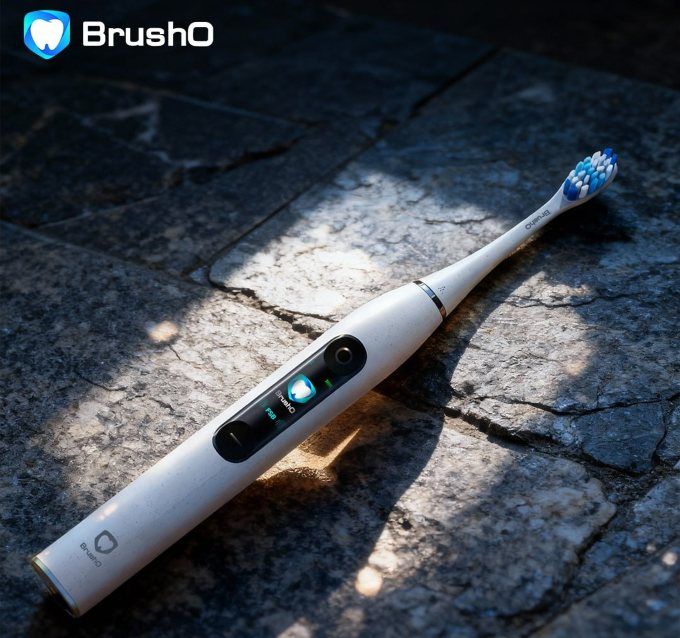
Use Smart Tools Like BrushO
If you’re using a regular toothbrush, you may be missing areas where postnasal drip accumulates. A smart toothbrush like BrushO can help:
• FSB technology ensures full-mouth coverage, including gumlines and the back of the mouth.
• The BrushO App detects neglected zones and encourages better technique.
• Gentle brushing modes help soothe irritated throats or gums from sinus-related discomfort.
When to See a Professional
If sinus-related bad breath persists despite home care, consult an ENT specialist. They can rule out conditions like nasal polyps, chronic infections, or deviated septum—all of which can obstruct mucus flow and worsen odor. Additionally, regular visits to your dentist ensure you’re not also dealing with periodontal issues that might exacerbate halitosis.
Treat the Sinuses, Save Your Breath
Bad breath isn’t always about your brushing habits—it can be a signal of something deeper, like sinus inflammation or infection. By addressing sinus health and combining it with smart oral care, such as using BrushO’s advanced technology, you can tackle halitosis from every angle. Remember, fresh breath starts with a clear nose and a clean mouth.
Recent Posts
How Long Can One Brushing Session Keep Mouth Fresh?
How long does fresh breath really last after brushing? Learn what affects oral freshness, how brushing technique matters, and how smart brushing with BrushO helps your mouth stay fresh longer.
The Best Chewing Snacks for Stronger Teeth
Discover the best tooth-friendly chewing snacks that naturally strengthen teeth and support oral hygiene. Learn which foods help stimulate saliva and clean your mouth—without damaging your enamel.
Excess Meat and Oral Health
High meat consumption may impact oral health more than you think. Learn how excess meat affects gum health, plaque buildup, acidity, and cavity risk—and how smart brushing can help protect your teeth.

How Hot Beverages Affect Your Teeth and Oral Health
Hot drinks like coffee and tea may feel comforting, but their heat and acidity can damage enamel, stain teeth, and increase sensitivity. Learn how to protect your oral health while still enjoying your favorite beverages.

Can Spicy Foods Damage Your Gums?
Can eating spicy food harm your gums? Discover how chili peppers and hot sauces may irritate your gum tissue, worsen existing gum problems, and what to do about it.

Can Colds and Flu Affect Your Breath?
Can seasonal illnesses like colds and flu cause bad breath? Learn how respiratory infections influence your oral health and what you can do to maintain fresh breath during sickness.

The Oral Health Risks of Dried Fruits
Dried fruits may seem like a healthy snack, but their high sugar content and sticky texture can increase the risk of cavities, enamel erosion, and gum problems. Learn how dried fruits affect oral health and how to protect your teeth.
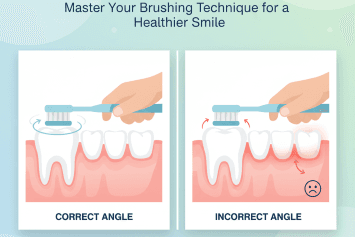
The Right Angle to Hold Your Toothbrush
Learn the correct angle to hold your toothbrush for optimal plaque removal and gum health. Discover how a 45-degree brushing angle improves oral hygiene and prevents gum disease.

How Real-Time Feedback Changes Daily Brushing Habits
Discover how real-time feedback from smart toothbrushes revolutionizes daily brushing habits, improves technique, and boosts oral hygiene outcomes through personalized data-driven insights.
Do Charcoal Toothpastes Really Work?
Charcoal toothpaste has surged in popularity for teeth whitening, but does it really work? Explore the science, benefits, limitations, and risks of charcoal toothpaste—and how to achieve teeth whitening safely.