How Hormonal Changes Affect Your Gum Health13h ago
13h ago
Hormones don’t just affect mood, skin, or energy levels — they also play a major role in oral health. Many people experience gum swelling, tenderness, or bleeding during hormonal shifts such as puberty, pregnancy, menstruation, menopause, or periods of high stress. These changes can quietly weaken gum tissue and increase the risk of gingivitis if not properly managed. Understanding the connection between hormones and gum health is the first step toward preventing long-term dental issues and building a smarter daily oral care routine.
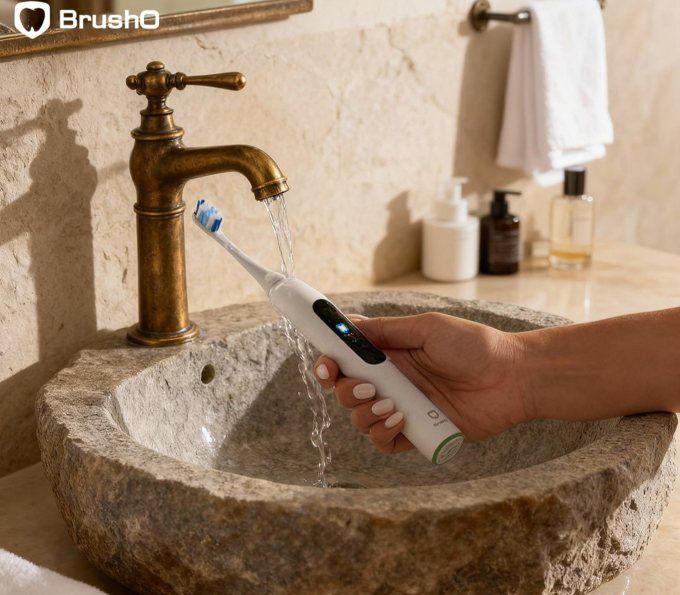
How Hormones Influence Gum Health
Hormones directly affect blood flow, inflammation levels, and immune response — all of which impact your gums.
When hormone levels fluctuate, gums may become:
• More sensitive
• More prone to swelling
• Easier to bleed
• Less resistant to bacteria
This doesn’t mean poor hygiene — it means your gums are reacting biologically.
Common Hormonal Stages That Affect Gums
Puberty
During puberty, increased estrogen and testosterone raise blood circulation to the gums. This can make gums red, swollen, or tender, especially if plaque builds up near the gumline.
Menstrual Cycle
Some people experience “menstrual gingivitis”, where gums become sensitive or bleed slightly in the days before a period. These symptoms often disappear once hormone levels stabilize.
Pregnancy
Pregnancy-related hormonal shifts dramatically increase the risk of:
• Gum inflammation
• Pregnancy gingivitis
• Gum bleeding
Without careful brushing, inflammation can worsen quickly during pregnancy.
Menopause
Lower estrogen levels may cause
• Dry mouth
• Gum recession
• Increased tooth sensitivity
These changes make gentle, precise brushing especially important.
Chronic Stress
Stress hormones like cortisol weaken the immune response, making it harder for gums to fight bacteria — even if brushing habits haven’t changed.
Why Hormonal Gums Are More Vulnerable to Plaque
Hormonal changes don’t cause gum disease directly — plaque does. But hormones make gums more reactive to plaque and bacteria.
If plaque isn’t fully removed:
• Gums inflame faster
• Bleeding occurs more easily
• Gingivitis develops sooner
That’s why technique, pressure, and coverage matter more during hormonal shifts.
How Smart Brushing Protects Hormone-Sensitive Gums
Hormone-related gum issues often worsen due to:
• Brushing too hard
• Missing the gumline
• Inconsistent brushing routines
This is where smart toothbrushes like BrushO make a real difference.
Real-Time Pressure Control
BrushO alerts users when pressure is too high — helping prevent gum irritation and recession, especially when gums are already sensitive.
Full Gumline Coverage Tracking
Instead of relying on basic timers, BrushO analyzes brushing paths to ensure the gumline and hard-to-reach areas aren’t skipped.
Personalized Feedback
Daily brushing reports highlight missed zones, pressure patterns, and improvements — allowing users to adapt care during hormonal changes.
Best Brushing Tips During Hormonal Changes
• Use gentle pressure
• Focus on the gumline, not just tooth surfaces
• Brush twice daily, consistently
• Avoid aggressive back-and-forth motions
• Choose brushing modes designed for gum care or sensitivity
Consistency matters more than intensity.
Can Hormone-Related Gum Problems Be Reversed?
In many cases, yes — if caught early.
With proper brushing technique, plaque control, and gum-friendly care:
• Inflammation can subside
• Bleeding can stop
• Gum health can stabilize
Smart brushing helps users detect patterns early — before issues become serious.
Why Gum Health Is Part of Whole-Body Health
Chronic gum inflammation has been linked to:
• Cardiovascular disease
• Pregnancy complications
• Metabolic issues
• Systemic inflammation
Taking care of your gums during hormonal changes isn’t cosmetic — it’s preventive health.
Conclusion
Hormonal changes can quietly impact gum health at every stage of life. While these changes are natural, gum disease is not inevitable. With proper brushing technique, pressure control, and consistent care, hormone-related gum issues can be managed — and often prevented. Smart oral care tools like BrushO help users adapt their routines to their body’s changes, ensuring healthier gums through every phase of life.
Recent Posts
Why BrushO Tracks What Your Dentist Notices Too Late
Discover why BrushO tracks brushing mistakes your dentist often notices too late. Learn how real-time brushing data prevents cavities, gum disease, and enamel damage before they start.

How BrushO Built the Future Toothbrush
Discover how BrushO redefined the electric toothbrush through uncompromising design, advanced engineering, and real user-centric features that elevate your daily brushing experience.
How to Stop Brushing Your Teeth Too Hard
Brushing too hard can damage your teeth and gums over time. Learn the signs, risks, and simple ways to improve your brushing technique for healthier oral care.
How Hormonal Changes Affect Your Gum Health
Hormonal changes can significantly impact gum health, causing inflammation, bleeding, and sensitivity. Learn how to protect your gums through proper brushing habits and smart oral care.

Is Your Diet Sabotaging Your Oral Health?
Certain foods may be damaging your teeth without you realizing it. Discover how your diet affects oral health—and how smarter brushing with BrushO can help protect your smile.

Why Your Brushing Time Doesn’t Matter Without Technique
Brushing for two minutes isn’t enough if your technique is off. Learn why brushing time means little without proper angles, pressure, and coverage—and how BrushO helps perfect your routine.

The Truth About Mouthwash
Is mouthwash really necessary? Discover the truth about mouthwash—what it does, what it doesn’t, and how it fits into a complete oral care routine with BrushO.
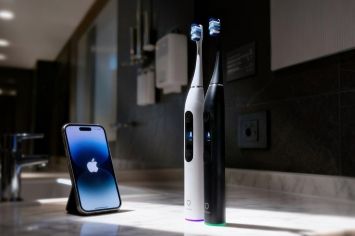
Is Your Toothbrush Making You Sick?
Wondering if your toothbrush is spreading more germs than it’s removing? Discover how improper toothbrush hygiene can impact your health—and how BrushO helps keep your mouth truly clean.
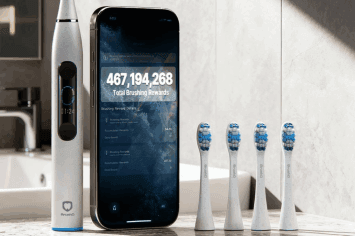
Are You Ignoring the Roof of Your Mouth?
Most people forget to clean the roof of their mouth when brushing. This overlooked area can harbor bacteria and affect your overall oral health. Learn how to clean it properly and how BrushO helps cover every zone.
The Problem with Only Brushing the Front of Your Teeth
Only brushing the front of your teeth leaves hidden areas exposed to plaque, decay, and gum disease. Learn why full-mouth coverage matters and how BrushO ensures every tooth surface gets the attention it deserves.