The Truth About Mouthwash14h ago
14h ago
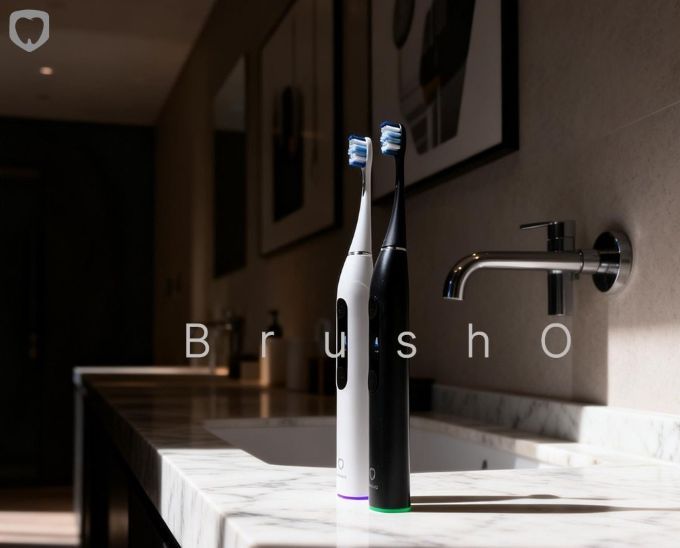
Mouthwash has long been marketed as the final step to a fresher, cleaner mouth. But is it truly as effective as people believe? Does it replace brushing or flossing? Can it actually harm your oral microbiome? In this article, we’ll explore the facts and myths surrounding mouthwash, from its real benefits to its limitations. We’ll also explain how it can fit into a smart oral care routine—especially when combined with an AI-powered toothbrush like BrushO that ensures every step of your dental hygiene is purposeful, personalized, and effective.
What Mouthwash Is—and Isn’t
Mouthwash, or oral rinse, is a liquid product used to rinse the mouth, freshen breath, and sometimes reduce plaque or fight bacteria. However, mouthwash is not a substitute for brushing or flossing. It’s a supplementary step—not the foundation—of oral hygiene.
There are two main types:
• Cosmetic mouthwash – Temporarily freshens breath but does not kill bacteria.
• Therapeutic mouthwash – Contains active ingredients like chlorhexidine, fluoride, or essential oils to fight bacteria, plaque, or gum disease.
The Benefits of Mouthwash
When used correctly, mouthwash offers several benefits:
✅ Fresher Breath
Most mouthwashes temporarily reduce bad breath, masking odors and leaving a minty sensation.
✅ Reduces Bacteria
Antibacterial mouthwashes help reduce harmful microbes in the mouth, lowering the risk of gum disease or infections.
✅ Helps Prevent Cavities
Fluoride-containing rinses can help strengthen enamel and protect against decay.
✅ Post-Surgical Support
Therapeutic rinses are often recommended after dental procedures to reduce infection risk.
The Downsides: When Mouthwash Does More Harm Than Good
Despite its benefits, mouthwash has limitations—and in some cases, risks:
❌ Kills Good Bacteria
Some antibacterial mouthwashes wipe out both harmful and beneficial bacteria, disrupting your oral microbiome.
❌ Can Cause Dry Mouth
Alcohol-based rinses may cause dryness, irritation, or even burning.
❌ False Sense of Cleanliness
People may rely too much on mouthwash and skip proper brushing, which leads to plaque buildup.
❌ Staining & Taste Alteration
Some therapeutic mouthwashes (like chlorhexidine) can stain teeth or alter your sense of taste.
Can Mouthwash Replace Brushing or Flossing?
Absolutely not. Mouthwash should never be a standalone oral care method. It cannot remove plaque or food particles. It does not clean below the gumline. And it does nothing for the mechanical cleaning of your teeth’s surface.
Brushing—especially with smart tools like BrushO—and flossing are essential. Mouthwash may enhance your routine, but can never replace physical cleaning.
Alcohol-Free vs Alcohol-Based Mouthwash
Choosing the right type of mouthwash depends on your personal needs:
| Type | Pros | Cons |
| Alcohol-Based | Strong antimicrobial, intense fresh breath | May dry out the mouth, cause burning |
| Alcohol-Free | Gentler on tissues, good for sensitive users | Less intense breath-freshening |
For long-term daily use, alcohol-free mouthwash is often recommended—especially for people with dry mouth, sensitive gums, or children.
Smart Oral Care: Mouthwash + BrushO
Mouthwash is best used after brushing, especially with a precision-driven device like BrushO that ensures every tooth surface is properly cleaned before rinsing.
Here’s how BrushO complements your mouthwash routine:
🦷 Thorough Cleaning First: BrushO’s AI engine ensures you don’t miss zones or brush too hard—removing plaque before rinsing.
⏱️ Built-in Brushing Timer: Ensures you brush for the full two minutes before finishing with mouthwash.
📲 Daily Score & App Feedback: Tracks brushing quality so you can feel confident before using rinse as a final step.
Final Takeaway
Mouthwash can be a helpful tool—but it’s not a miracle solution. It should never replace brushing, flossing, or proper oral care. Instead, think of it as the cherry on top of a well-rounded hygiene routine. Used wisely and paired with smart tools like BrushO, mouthwash can enhance freshness, support gum health, and elevate your daily care into a wellness ritual.
About BrushO
BrushO is an AI-powered smart toothbrush that transforms ordinary brushing into a data-driven habit. It features:
• Real-time pressure and angle feedback
• 6-zone / 16-surface tracking
• Personalized brushing scores
• Free lifetime brush head program
• Smart app heatmaps and habit reinforcement
With BrushO, you brush smarter—not just longer. Pair it with mouthwash, and your oral health routine becomes precision-perfect.
Why Your Brushing Time Doesn’t Matter Without Technique
13h ago
Is Your Toothbrush Making You Sick?
14h ago
Recent Posts
Why BrushO Tracks What Your Dentist Notices Too Late
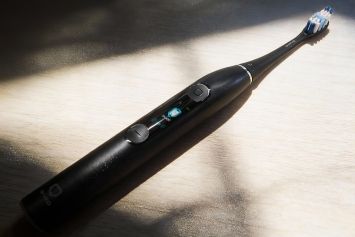
Discover why BrushO tracks brushing mistakes your dentist often notices too late. Learn how real-time brushing data prevents cavities, gum disease, and enamel damage before they start.
How BrushO Built the Future Toothbrush
Discover how BrushO redefined the electric toothbrush through uncompromising design, advanced engineering, and real user-centric features that elevate your daily brushing experience.
How to Stop Brushing Your Teeth Too Hard
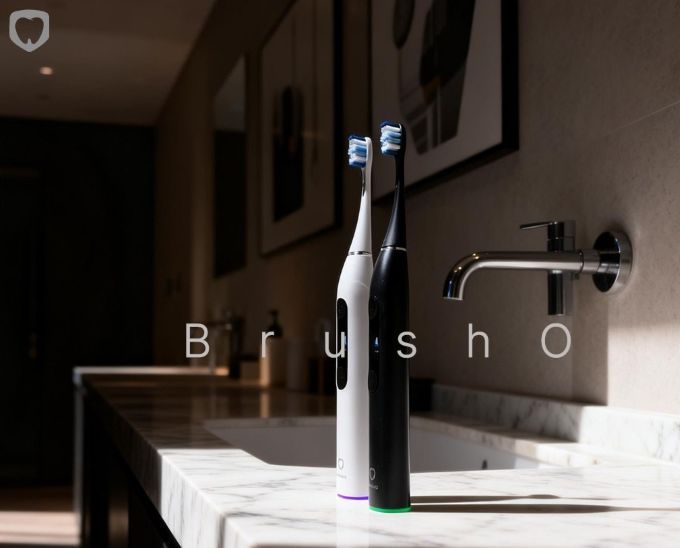
Brushing too hard can damage your teeth and gums over time. Learn the signs, risks, and simple ways to improve your brushing technique for healthier oral care.
How Hormonal Changes Affect Your Gum Health
Hormonal changes can significantly impact gum health, causing inflammation, bleeding, and sensitivity. Learn how to protect your gums through proper brushing habits and smart oral care.
Is Your Diet Sabotaging Your Oral Health?
Certain foods may be damaging your teeth without you realizing it. Discover how your diet affects oral health—and how smarter brushing with BrushO can help protect your smile.
Why Your Brushing Time Doesn’t Matter Without Technique
Brushing for two minutes isn’t enough if your technique is off. Learn why brushing time means little without proper angles, pressure, and coverage—and how BrushO helps perfect your routine.
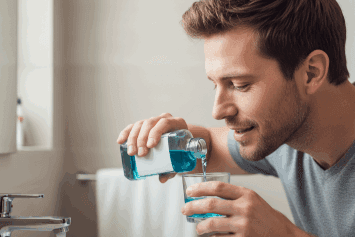
The Truth About Mouthwash
Is mouthwash really necessary? Discover the truth about mouthwash—what it does, what it doesn’t, and how it fits into a complete oral care routine with BrushO.
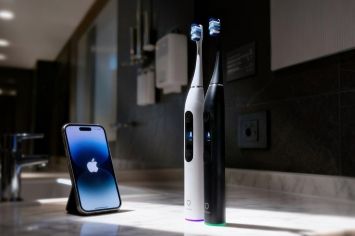
Is Your Toothbrush Making You Sick?
Wondering if your toothbrush is spreading more germs than it’s removing? Discover how improper toothbrush hygiene can impact your health—and how BrushO helps keep your mouth truly clean.
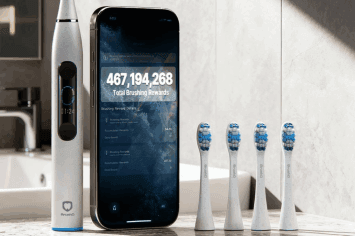
Are You Ignoring the Roof of Your Mouth?
Most people forget to clean the roof of their mouth when brushing. This overlooked area can harbor bacteria and affect your overall oral health. Learn how to clean it properly and how BrushO helps cover every zone.
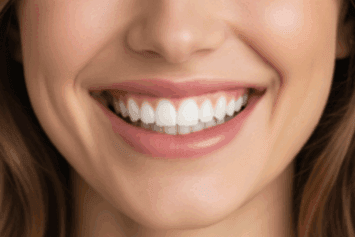
The Problem with Only Brushing the Front of Your Teeth
Only brushing the front of your teeth leaves hidden areas exposed to plaque, decay, and gum disease. Learn why full-mouth coverage matters and how BrushO ensures every tooth surface gets the attention it deserves.