What Causes Dry Mouth1d ago
1d ago
Dry mouth — or xerostomia — might seem like a minor annoyance, but it can seriously impact your oral health if left untreated. Saliva plays a crucial role in protecting teeth, neutralizing acids, and aiding digestion. When your mouth doesn’t produce enough, it creates the perfect environment for plaque buildup, bad breath, and cavities. Let’s explore the common causes of dry mouth, what they mean for your health, and how daily habits like brushing with BrushO can help maintain moisture and comfort.
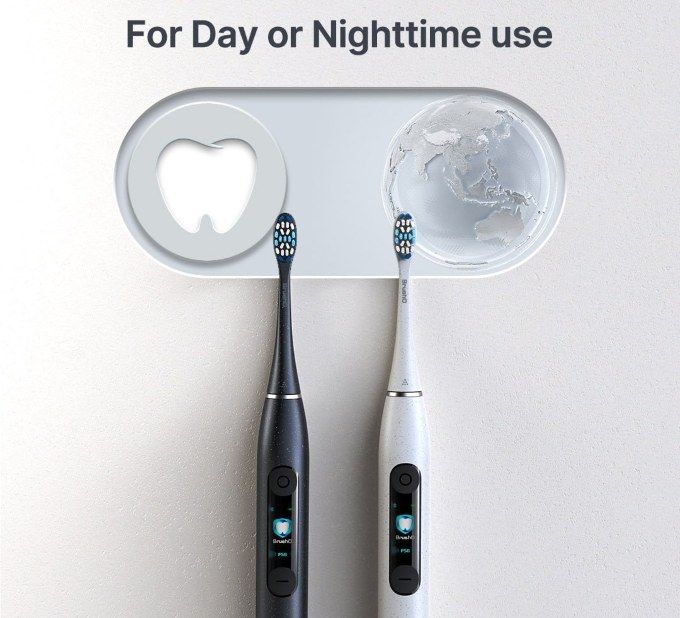
1. Medications Are the #1 Cause
One of the most common reasons for dry mouth is medication. Over 500 types of medications — including antihistamines, antidepressants, and blood pressure drugs — list dry mouth as a side effect. These drugs can interfere with salivary gland function, reducing saliva production throughout the day.
What You Can Do:
• Speak with your doctor about alternatives.
• Stay hydrated.
• Use a gentle toothbrush like BrushO, which protects sensitive gums when saliva is low.
2. Mouth Breathing and Sleep Habits
If you wake up with a dry mouth, mouth breathing during sleep might be to blame. Conditions like sleep apnea, snoring, or nasal congestion force you to breathe through your mouth, drying out saliva quickly.
Tips:
• Try sleeping on your side.
• Use a humidifier in your bedroom.
• Brush with BrushO’s Gum Care mode at night to prevent irritation from dryness.
3. Dehydration or Poor Water Intake
Sometimes, dry mouth is as simple as not drinking enough water. High caffeine or alcohol consumption and hot weather can also dehydrate you.
Solution:
• Drink water throughout the day.
• Avoid sugary or carbonated beverages.
• Use BrushO after meals to refresh your mouth gently without drying agents.
4. Nerve Damage or Medical Conditions
Health conditions like diabetes, Sjögren’s syndrome, stroke, or nerve injuries can affect your ability to produce saliva. In these cases, dry mouth might be chronic and require ongoing care.
Supportive Care:
• Regular checkups with your dentist.
• Use fluoride toothpaste.
• Choose soft-bristle toothbrushes like BrushO, which support sensitive mouths.
5. Stress and Anxiety
Believe it or not, stress and anxiety can contribute to dry mouth. When your body enters “fight or flight” mode, it reduces saliva flow.
What Helps:
• Practice stress management (deep breathing, stretching).
• Stay hydrated during the day.
• Make brushing enjoyable with BrushO’s personalized modes to encourage daily mindfulness.
How BrushO Helps with Dry Mouth
While BrushO doesn’t treat dry mouth directly, it plays a vital role in protecting your oral health when saliva levels are low. Here’s how:
• Gentle pressure sensors prevent irritation on dry gums.
• AI-powered brushing guidance ensures no missed spots.
• Hydration-friendly design encourages brushing without over-drying.
• Scoring system helps build habits even when discomfort makes brushing feel like a chore.
Final Thought
Dry mouth isn’t just a small inconvenience — it’s a red flag that your body needs support. Whether it’s caused by medications, sleep habits, or dehydration, understanding the root cause is the first step toward relief. By combining smart daily brushing with BrushO and proper hydration, you can keep your mouth comfortable, your teeth protected, and your smile strong — even when saliva is in short supply.
Recent Posts

How You Can Get Rewards Just by Brushing
Discover how BrushO transforms daily brushing into a rewarding habit. Earn points, redeem gifts, and improve your oral health—just by brushing your teeth!
What Dentists Are Saying About BrushO
Dental professionals praise BrushO for improving brushing technique, reducing gum problems, and helping patients build healthier oral care habits.
Why More Users Are Switching to BrushO
More users are switching to BrushO for smarter brushing, real-time feedback, and better oral health habits powered by AI technology.

Why Do You Snore While Sleeping?
Snoring isn’t just a nighttime nuisance—it could signal serious health issues. Discover the causes of snoring, how it relates to your oral health, and what you can do to breathe and sleep better.

Why Athletes Are More Prone to Dental Problems
Athletes often face higher risks of dental issues like cavities, gum disease, and tooth erosion. Learn the surprising reasons behind it and how smart brushing with BrushO can help.

Dental Signs of Nutritional Deficiencies
Your mouth may be revealing more than you think. Discover how nutritional deficiencies show up in your teeth and gums — and how BrushO can help detect and protect against the early signs.
How Seasonal Allergies Affect Your Oral Health
Seasonal allergies can silently impact your oral health, leading to dry mouth, gum irritation, and bad breath. Learn how to protect your mouth during allergy season with smart brushing strategies and BrushO.
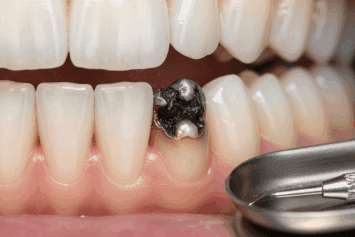
Can Stress Cause Cavities?
Yes, stress can cause cavities — indirectly but significantly. Learn how chronic stress affects your oral health, from dry mouth to poor hygiene, and how tools like BrushO can help protect your smile.
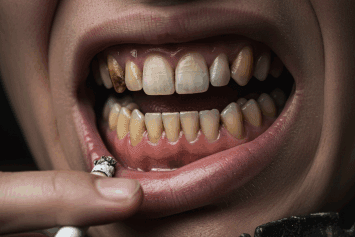
How Smoking Damages Your Teeth
Discover the harsh truth about how smoking affects your oral health. From stained teeth to gum disease and tooth loss, learn why quitting smoking can save your smile.
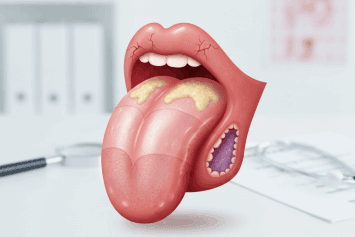
What Your Tongue Says About Your Health
Your tongue isn’t just for taste — it’s a powerful indicator of your health. Discover what color, texture, and coating changes may reveal about your oral and overall wellness.