Why You Should Replace Your Brush Head OftenNov 3
Nov 3
Think your toothbrush head can last a year? Think again. Using the same brush head for too long can seriously compromise your dental hygiene—and possibly your health. Worn bristles can’t clean properly, harbor bacteria, and may even damage your gums. In this article, we’ll explain why regular brush head replacement is essential, how often you really need to change it, and how BrushO’s free brush head program makes it easier than ever to stay protected and save money.
What Happens When You Don’t Replace Your Brush Head
Ineffective Cleaning
Over time, bristles lose their shape and stiffness, which reduces their ability to remove plaque and debris. A brush head that looks “fine” may have already lost 30%–40% of its cleaning effectiveness.
Bacteria Build-Up
Old brush heads can become breeding grounds for millions of bacteria. The moist environment, combined with leftover toothpaste and mouth bacteria, creates the perfect space for microbial growth—even mold in some cases.
Gum and Enamel Damage
Frayed bristles not only clean less effectively, but they can also irritate your gums and wear down tooth enamel. If you’re brushing twice daily with a worn head, you might be hurting your teeth more than helping.
How Often Should You Replace a Toothbrush Head?
According to the American Dental Association (ADA), brush heads should be replaced every 3 months. You should also replace it sooner if:
The bristles look worn or splayed
You’ve recently been sick (e.g., flu, cold, strep throat)
The head has been dropped or exposed to contamination
🦷 Pro tip: With BrushO, your smart toothbrush reminds you when it’s time to replace the brush head—so you’ll never forget again.
Why Most People Forget to Replace Their Brush Heads
Let’s be honest—it’s easy to forget. Most of us don’t mark a calendar or set reminders. Some assume that unless the bristles are obviously damaged, it’s fine. But even if your brush head looks okay, its microscopic wear can already be putting your teeth at risk.
BrushO’s Lifetime Free Brush Head Program
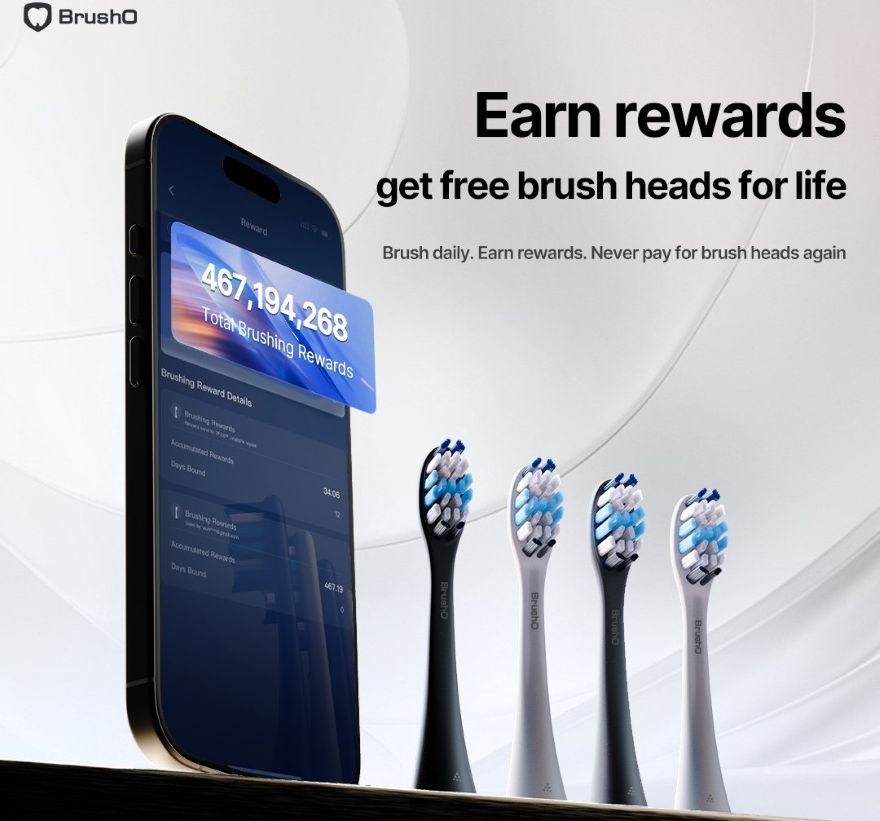
BrushO solves this problem with an industry-disrupting model: you get free brush heads for life.
How It Works
Use BrushO to brush your teeth daily
Earn points for each brushing session via the BrushO app
Redeem points to claim free replacement brush heads
This means you’re rewarded for good habits—and never need to worry about overspending on essential care.
Other Benefits of Replacing Your Brush Head
Better Breath
Fresh bristles remove bacteria and plaque more effectively, leading to fresher breath and less buildup.
Healthier Gums
New brush heads are gentle on the gumline and better at reducing inflammation and preventing gingivitis.
Enhanced AI Tracking
BrushO’s smart system syncs better with fresh bristles, giving you more accurate feedback and reports.
Signs It’s Time to Replace Your Brush Head
Bristles are frayed or bent
Discoloration (bristles turning yellow or gray)
Unusual smell or sticky residue
Your app alerts you (if using a smart brush like BrushO)
It’s been over 3 months
Final Thoughts: Don’t Let Old Bristles Sabotage Your Smile
Replacing your toothbrush head isn’t just a hygiene tip—it’s a non-negotiable for good oral care. And with BrushO’s AI reminders and lifetime brush head plan, keeping your teeth protected has never been easier—or more affordable.
You’re not just brushing smarter—you’re brushing better, longer, and healthier.
Recent Posts

How High Sugar Intake Harms Your Oral Health
Excessive sugar isn’t just bad for your waistline—it wreaks havoc on your teeth. Discover how sugar impacts oral health and how smart brushing with BrushO can protect your smile.

How Sparkling Water Affects Your Enamel
Is sparkling water safe for your teeth? Discover how carbonation affects enamel, what science says, and how to drink smarter without harming your smile.
Does Lemon Water Help or Harm Your Oral Health?
Lemon water is praised for its detox benefits, but how does it affect your teeth? Learn the truth about acidity, enamel erosion, and how to protect your oral health with every sip.
Is Brushing with Salt Effective?
Can salt really clean your teeth or whiten your smile? Discover the science behind brushing with salt and whether it’s safe for your oral health.

Oral Health for Women During Pregnancy
Pregnancy affects more than your body—it changes your oral health too. Discover how hormonal shifts influence gum health, tooth sensitivity, and the importance of prenatal dental care.

Why Some People Struggle to Keep Brushing Habits
Many people struggle to maintain consistent brushing habits. Discover the psychological, behavioral, and lifestyle reasons behind poor brushing routines—and how smarter guidance can help build lasting oral care habits.

The Hidden Risks of Frequent Sipping
Think sipping beverages all day is harmless? Discover how frequent sipping—yes, even of healthy drinks—can silently damage your teeth, and how to protect your enamel with smarter habits and advanced solutions like BrushO.

The Best Christmas Gift I’ve Ever Received
Discover why an AI-powered toothbrush became the best Christmas gift I’ve ever received. Learn how smart brushing changed my routine, health, and confidence — all in just two minutes a day.
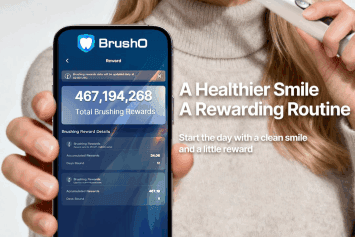
How Kids Can Compete for Brushing Rewards with BrushO
Turn brushing into a fun daily challenge! Discover how BrushO transforms kids’ oral care habits through competitive rewards, smart scoring, and daily motivation.
How BrushO Uses AI to Track Missed Spots
Struggling with missed areas during brushing? Discover how BrushO’s AI technology ensures full-mouth coverage by detecting and tracking the spots you often overlook.