Your Brushing Style Is Damaging Your TeethNov 26
Nov 26
Most people believe they’re protecting their teeth simply by brushing twice a day. But research shows that brushing style matters far more than brushing frequency. From brushing too hard to using the wrong angle, many common habits silently damage enamel, irritate gums, and increase long-term dental risks. Fortunately, most of these problems are preventable—and in some cases reversible—when you improve your technique and use smarter tools. This article breaks down the hidden dangers of improper brushing, how to fix your habits, and why AI-powered guidance from BrushO is becoming essential for modern oral health.
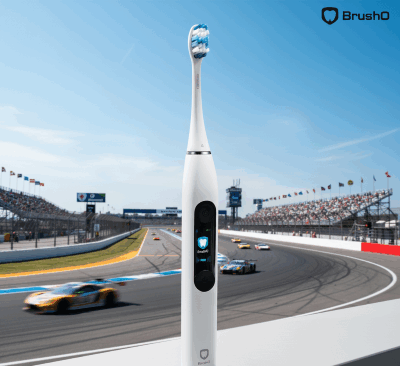
The Hidden Damage Caused by Your Brushing Style
Even if you brush daily, your technique can be harmful without you realizing it. Many dental problems don’t come from not brushing, but from brushing incorrectly.
The Truth About Brushing “Too Hard”
Brushing harder does not clean better. Instead, it causes:
• Enamel erosion — permanent loss of the tooth’s protective layer
• Gum recession — exposing roots and increasing sensitivity
• Higher cavity risk — because exposed roots decay faster
• Tooth discoloration — enamel thinning reveals darker dentin
• Inflamed gums — which can lead to gum disease
Enamel does not grow back. Once it’s gone, it’s gone—making pressure control essential.
Timing and Frequency Matter More Than You Think
Brushing Too Often
Brushing more than 3 times a day can damage enamel and irritate gums.
Brushing Immediately After Eating
Especially after acidic foods like:
• Citrus
• Vinegar
• Soft drinks
• Tomatoes
The enamel temporarily softens. Brushing immediately can scrape away weakened enamel.
👉 Dentists recommend waiting 30 minutes after meals.
Why Technique Matters More Than Force
Many people brush in a harsh back‑and‑forth motion, which damages enamel and gums.
The Correct Brushing Technique
Dentists recommend:
• Using a 45° angle toward the gumline
• Gentle circular motions
• Cleaning all 6 zones and 16 surfaces of the mouth (BrushO standard)
• Brushing for 2–3 minutes, depending on personal needs
• Letting bristles glide—not scrub
Proper technique is the foundation of healthy brushing.
How Smart Technology Helps Correct Bad Habits
Traditional toothbrushes provide zero feedback, so bad habits continue unnoticed.
This is where BrushO’s AI-powered FSB technology changes the game.
Real-Time Pressure Monitoring
BrushO instantly alerts you when you’re brushing too hard using:
• Handle pressure sensors
• LED feedback ring
• TFT smart display
• Real-time app alerts
6-Zone, 16-Surface Tracking
Unlike old 30-second quadrant timers, BrushO analyzes:
• Coverage patterns
• Missed surfaces
• Brushing angles
• Path tracking
It doesn’t just tell you when to brush — it tells you how well you brushed.
Brushing Score and Smart Reports
Each session generates:
• A brushing score
• A coverage heatmap
• Pressure data
• Missed zone reminders
• Trend reports (daily/weekly/monthly)
These insights help users identify unhealthy brushing habits and improve long-term oral health.
Small Changes That Make a Big Difference
You don’t need extreme measures to fix your brushing style. Start with:
• Switching to soft bristles
• Reducing pressure
• Using proper technique
• Using fluoride toothpaste
• Replacing brush heads regularly
• Using smart guidance (BrushO’s AI coaching)
Consistent small changes lead to long-term improvements.
About BrushO
BrushO is an AI-powered smart toothbrush designed to improve brushing technique through Fully Smart Brushing (FSB) technology, real-time feedback, pressure monitoring, and in-app brushing reports. It tracks 6 brushing zones, analyzes 16 tooth surfaces, and gives personalized coaching to protect enamel and gums while helping users build sustainable oral care habits. With smart scoring, habit tracking, and long battery life, BrushO makes healthier brushing easier, smarter, and more accurate.
The Hardware That Powers BrushO Toothbrush
Nov 26
How Habits Damage Teeth and What You Can Actually Reverse
Nov 26
Recent Posts
What Your Smart Toothbrush Knows About You?
Discover what your smart toothbrush is really tracking—pressure, brushing zones, timing, and habits—and how this data helps you improve oral health.
Understanding the Sensors in Smart Toothbrushes
Learn how the sensors in smart toothbrushes work, including pressure, motion, and location tracking, and how they improve brushing technique for healthier teeth and gums.
How to Keep Your Mouth Healthy?
Want a healthier smile? Learn how to keep your mouth healthy with simple daily habits, smart tools like BrushO, and expert-backed oral hygiene tips.

Why You Shouldn’t Rely on Mints for Fresh Breath
Mints may offer instant freshness, but they don’t address the root causes of bad breath. Learn why relying on mints could be masking deeper oral health issues—and what to do instead.
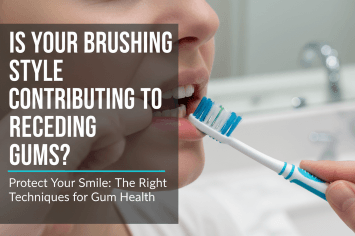
Is Your Brushing Style Contributing to Receding Gums?
Brushing too hard or using the wrong technique can lead to receding gums. Learn how your brushing style may be harming your gums—and how to fix it with smarter tools like BrushO.
Are Whitening Mouthwashes Too Harsh for Daily Use?
Are whitening mouthwashes damaging your teeth and gums with daily use? Discover the truth about their ingredients, effects, and how to use them safely.
Why Morning Brushing Shouldn’t Be Skipped
Morning brushing isn’t just a hygiene habit—it’s your first defense against overnight bacteria, bad breath, and plaque. Learn why skipping it is a mistake.
Can Your Toothbrush Harbor Dangerous Bacteria?
Think your toothbrush is clean? Discover how harmful bacteria can hide in plain sight and learn how AI-powered tools like BrushO keep your brushing routine truly hygienic.
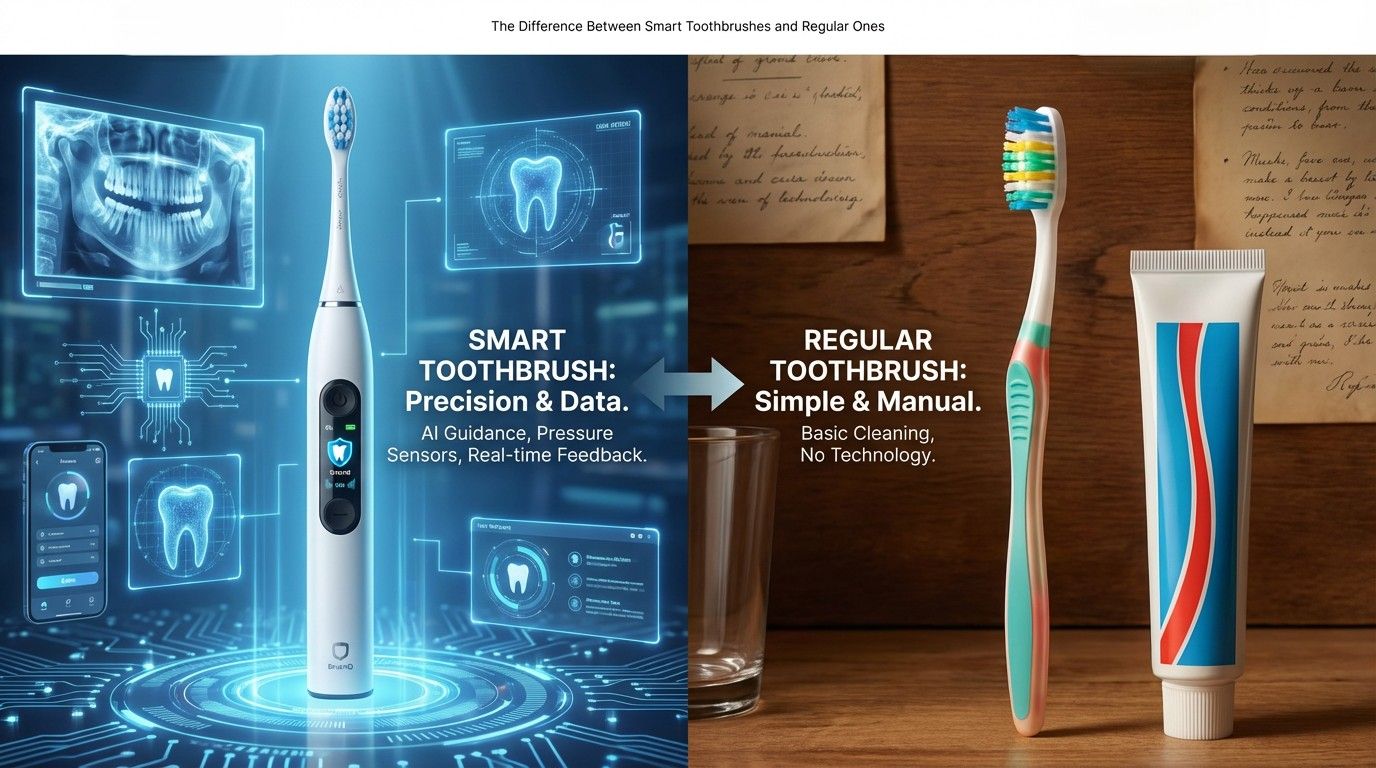
The Difference Between Smart Toothbrushes and Regular Ones
Smart toothbrushes use sensors, AI, and real-time feedback to improve brushing habits, while regular toothbrushes rely on manual technique. Learn the key differences and how they impact oral health.
How to Choose the Right Smart Toothbrush for Your Family
Choosing the right smart toothbrush for your family means balancing oral health needs, age differences, safety, and smart features. This guide explains how to select the best smart toothbrush for every family member.