Назад
How Chocolates Affect Oral Health2d ago
2d ago
Chocolate brings joy to millions, but it also brings risks to your teeth. High sugar content, sticky textures, and frequent snacking can lead to plaque buildup, tooth decay, and gum inflammation. Fortunately, enjoying chocolate doesn’t mean sacrificing your oral health. With a few smart habits—and smart tools like BrushO’s AI-powered toothbrush—you can satisfy your sweet tooth while maintaining a radiant smile. In this article, we explore how chocolate affects your mouth, what types are better, and how to brush smarter for better protection.
Why Chocolate Can Be Harmful to Teeth
Chocolate contains refined sugar, which oral bacteria convert into acids. These acids attack tooth enamel and lead to:
• Cavities: Long-term acid exposure causes holes and decay in teeth.
• Plaque Buildup: Sticky chocolate clings to teeth, creating a breeding ground for bacteria.
• Gum Irritation: Sugar encourages inflammation, increasing the risk of gingivitis and gum disease.
Especially dangerous are sticky chocolates—like caramels, nougats, or fudge—which remain on teeth longer than other sweets, giving bacteria more time to produce damaging acids.
Dark vs. Milk Chocolate: Which Is Better for Teeth?
Not all chocolate is created equal:
• Milk Chocolate: Contains more sugar and dairy, which can feed plaque-forming bacteria.
• Dark Chocolate: Has less sugar and more cocoa, which contains flavonoids and antioxidants. Some studies even suggest cocoa may slow bacterial growth.
💡 Tip: Choose high-cocoa dark chocolate with minimal added sugar when you crave a sweet fix.
Smart Eating Habits to Minimize Risk
To enjoy chocolate while protecting your teeth:
• Limit Snacking Frequency: Eat chocolate in one sitting, preferably with meals, to minimize acid attacks.
• Rinse with Water: After eating, swish water to flush out sugar and balance mouth pH.
• Chew Sugar-Free Gum: Stimulates saliva, which neutralizes acids and washes away residue.
• Don’t Brush Immediately: Wait 30–60 minutes after chocolate (or acidic food) before brushing to avoid weakening enamel.
These habits help reduce the harmful effects of sugar and protect your enamel between meals.
How BrushO Enhances Your Chocolate Defense
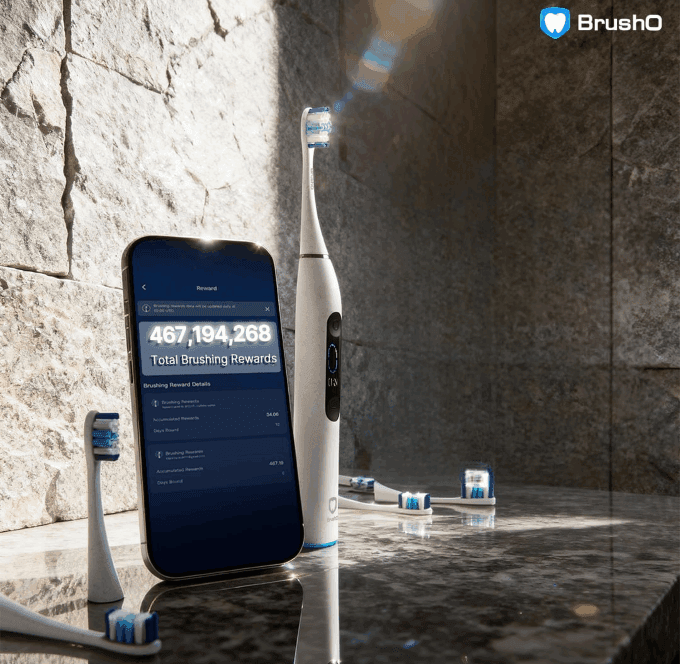
BrushO is not your average toothbrush. As an AI-powered smart toothbrush, it ensures a deeper, more consistent clean—especially important after indulging in sweets.
BrushO Features That Support Smart Snacking:
• Real-Time Guidance: Get instant alerts if you’re brushing too hard, too lightly, or missing spots.
• 6-Zone Coverage Tracking: Ensures all areas of your mouth—including hard-to-reach molars—are thoroughly cleaned.
• Custom Cleaning Modes: Whitening mode for stain removal, deep cleaning for sugar-heavy days.
• Habit Tracking + $BRUSH Rewards: Stay motivated to brush after every treat and build long-term oral discipline.
With BrushO, post-snack cleaning becomes smarter, more efficient, and more enjoyable.
Bonus Tips for Chocolate Lovers
• Pair Sweets with Meals: Eating chocolate with meals reduces acid damage and saliva buffers sugar.
• Use Fluoride Toothpaste: Strengthens enamel and helps reverse early decay.
• Visit Your Dentist Regularly: Professional cleanings and check-ups catch early signs of damage.
• Avoid Other Sticky Candies: Combining chewy candies with chocolate magnifies sugar exposure time.
Chocolate doesn’t have to be the enemy of your teeth. Understanding its effects on oral health—and following a smart brushing routine—can help you indulge without guilt. With BrushO’s real-time feedback, 6-zone coverage, and intelligent habit tracking, you gain the tools to fight plaque, protect enamel, and maintain a healthy smile.
Brush smart. Eat smart. Smile more.
Последние записи
Is Your Baby’s Pacifier Harming Their Future Smile?
Pacifiers may soothe your baby now, but are they silently shaping their future smile—for better or worse? Learn the dental effects and how to manage safe pacifier use.
Why Hydration Is Essential for Oral Health
Staying hydrated does more than refresh your body—it’s crucial for your teeth and gums. Learn how proper hydration prevents bad breath, decay, and gum disease.
How Your Daily Coffee Habits Shape Your Oral Future
Discover how your daily coffee habits affect your oral health—from enamel erosion to staining—and how smart brushing can help preserve your smile.
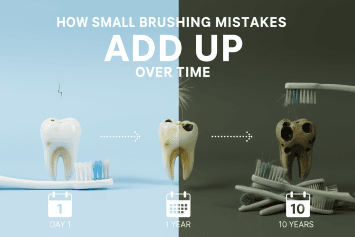
How Small Brushing Mistakes Add Up Over Time
Even minor brushing errors can cause major oral health issues over time. Discover the common mistakes, their long-term effects, and how BrushO can help you fix them before it’s too late.
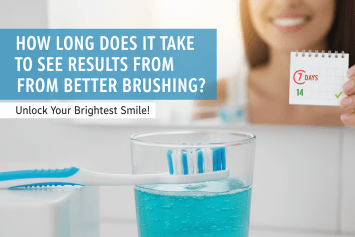
How Long Does It Take to See Results from Better Brushing?
Wondering how long it takes to improve your oral health with better brushing? Learn what changes to expect—and when—with smart brushing habits and BrushO’s AI-powered guidance.
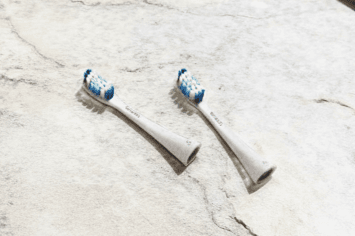
Is It Time to Replace Your Toothbrush Head?
Old toothbrush heads lose cleaning power and may harbor bacteria. Learn how often to replace them and how BrushO’s smart reminders ensure your brushing stays effective and hygienic.
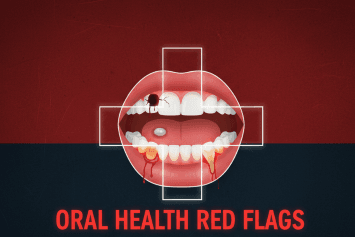
Oral Health Red Flags You Should Never Ignore
Ignoring signs like bleeding gums, persistent bad breath, or tooth sensitivity can lead to serious dental issues. Learn the key oral health red flags you should never overlook and how smart tools like BrushO can help detect them early.
Are You Brushing the Same Tooth and Missing Others?
Brushing the same spot over and over while neglecting others can cause plaque buildup, gum problems, and uneven enamel wear. Discover how smart brushing technology ensures complete, balanced oral care.
How Bad Breath Can Signal Deeper Health Issues
Bad breath isn’t just a hygiene issue—it can be an early warning sign of deeper health problems like gum disease, diabetes, or digestive disorders. Learn how to identify the cause and take action with smart brushing solutions.
Why Do My Gums Bleed When I Floss?
Bleeding gums during flossing is a common but concerning sign. Discover the causes, prevention strategies, and how BrushO smart toothbrush can improve your gum health and stop bleeding for good.