Назад
The Truth About Sugar Substitutes and Your Smile2d ago
2d ago
Sugar substitutes are often promoted as a healthier alternative to sugar, particularly for individuals seeking to protect their teeth. But while sugar-free doesn’t automatically mean risk-free, the relationship between sweeteners and oral health is more nuanced than most people realize. This article explores how different sugar substitutes affect cavities, plaque formation, saliva production, and enamel health—and why proper brushing habits still matter, even when sugar is removed from the equation.

How Sugar Impacts Oral Health
Sugar plays a direct role in tooth decay. When sugar is consumed, harmful oral bacteria metabolize it and produce acids that attack tooth enamel. Over time, repeated acid exposure leads to enamel erosion, cavities, and gum inflammation. This is why reducing sugar intake is one of the most effective strategies for improving oral health and preventing dental decay. Sugar substitutes are often marketed as “tooth-friendly” because they do not feed cavity-causing bacteria in the same way. However, not all substitutes behave the same inside the mouth.
Different Types of Sugar Substitutes and Their Effects on Teeth
Artificial Sweeteners
Aspartame, sucralose, and saccharin are commonly used in diet sodas, sugar-free snacks, and low-calorie products. These sweeteners do not ferment in the mouth and therefore do not contribute to acid production or direct cavity formation. From a dental perspective, they are significantly safer than traditional sugar.
Natural Sweeteners
Stevia and monk fruit are plant-based sweeteners with no fermentable carbohydrates. They do not promote plaque formation or enamel erosion on their own. Erythritol, another natural option, has shown promising results in reducing plaque buildup and inhibiting the growth of harmful oral bacteria.
Sugar Alcohols
Xylitol, sorbitol, and maltitol are widely used in sugar-free gum and candy. Xylitol, in particular, is well-known for its oral health benefits. It stimulates saliva production, helps neutralize acids, and reduces levels of cavity-causing bacteria. Regular xylitol use has been associated with lower cavity risk and improved enamel protection.
The Hidden Limitations of Sugar Substitutes
Although sugar substitutes reduce cavity risk, they are not a substitute for proper oral hygiene. Many sugar-free products are still acidic, especially flavored drinks and candies, which can erode enamel over time. Additionally, sugar substitutes do not remove plaque, bacteria, or food debris from the teeth.
Poor brushing technique, missed areas, and insufficient brushing time can still lead to plaque buildup—even with a sugar-free diet. Oral health depends on habits, not just ingredients.
Why Brushing Still Matters After Sugar-Free Foods
Even when consuming sugar substitutes, brushing remains essential. Acid exposure, plaque accumulation, and bacterial imbalance can still occur without proper cleaning. Smart brushing tools like BrushO help ensure that brushing is effective rather than superficial. With AI-powered feedback, BrushO monitors brushing pressure, coverage, and duration, helping users remove plaque thoroughly without damaging enamel. This is especially important for people who consume sugar-free beverages frequently, as acids may still linger on tooth surfaces.
Long-Term Oral Health Benefits of Smart Brushing and Reduced Sugar
Combining sugar substitutes with effective oral care habits leads to measurable benefits, including reduced cavity formation, healthier gums, stronger enamel, and more consistent oral hygiene routines. When brushing is guided, consistent, and data-driven, diet-related risks become far easier to control.
Sugar substitutes can play a positive role in protecting your smile by reducing the fuel that harmful bacteria rely on. However, they are not a cure-all. Acid exposure, brushing habits, and daily oral care routines still determine long-term dental health. Pairing a sugar-conscious diet with intelligent brushing ensures your teeth stay strong, clean, and protected.
Why Regular Dental Checkups Are Essential
1d ago
Can Skipping Breakfast Affect Your Oral Health?
2d ago
Последние записи
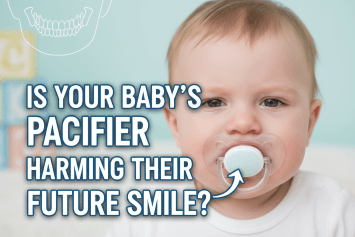
Is Your Baby’s Pacifier Harming Their Future Smile?
Pacifiers may soothe your baby now, but are they silently shaping their future smile—for better or worse? Learn the dental effects and how to manage safe pacifier use.
Why Hydration Is Essential for Oral Health
Staying hydrated does more than refresh your body—it’s crucial for your teeth and gums. Learn how proper hydration prevents bad breath, decay, and gum disease.
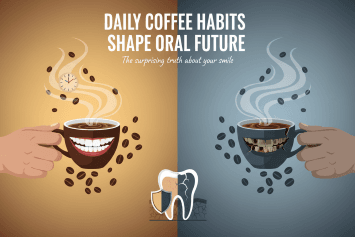
How Your Daily Coffee Habits Shape Your Oral Future
Discover how your daily coffee habits affect your oral health—from enamel erosion to staining—and how smart brushing can help preserve your smile.
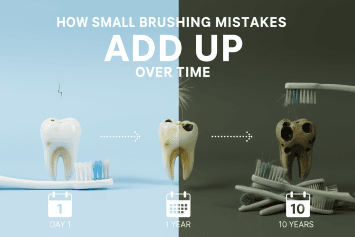
How Small Brushing Mistakes Add Up Over Time
Even minor brushing errors can cause major oral health issues over time. Discover the common mistakes, their long-term effects, and how BrushO can help you fix them before it’s too late.
How Long Does It Take to See Results from Better Brushing?
Wondering how long it takes to improve your oral health with better brushing? Learn what changes to expect—and when—with smart brushing habits and BrushO’s AI-powered guidance.

Is It Time to Replace Your Toothbrush Head?
Old toothbrush heads lose cleaning power and may harbor bacteria. Learn how often to replace them and how BrushO’s smart reminders ensure your brushing stays effective and hygienic.
Oral Health Red Flags You Should Never Ignore
Ignoring signs like bleeding gums, persistent bad breath, or tooth sensitivity can lead to serious dental issues. Learn the key oral health red flags you should never overlook and how smart tools like BrushO can help detect them early.
Are You Brushing the Same Tooth and Missing Others?
Brushing the same spot over and over while neglecting others can cause plaque buildup, gum problems, and uneven enamel wear. Discover how smart brushing technology ensures complete, balanced oral care.
How Bad Breath Can Signal Deeper Health Issues
Bad breath isn’t just a hygiene issue—it can be an early warning sign of deeper health problems like gum disease, diabetes, or digestive disorders. Learn how to identify the cause and take action with smart brushing solutions.
Why Do My Gums Bleed When I Floss?
Bleeding gums during flossing is a common but concerning sign. Discover the causes, prevention strategies, and how BrushO smart toothbrush can improve your gum health and stop bleeding for good.