Quay lại
Why Do Some People Avoid Brushing at Night?3h ago
3h ago
Brushing before bed is one of the most essential oral hygiene practices, yet millions neglect it regularly. This article explores the psychological, behavioral, and biological reasons why some people skip brushing at night. From sleep inertia to stress and false assumptions about cleanliness, we break down the real obstacles behind this neglected habit. Most importantly, we offer realistic, science-backed solutions—including how AI-powered toothbrushes like BrushO can gently nudge users toward healthier routines.
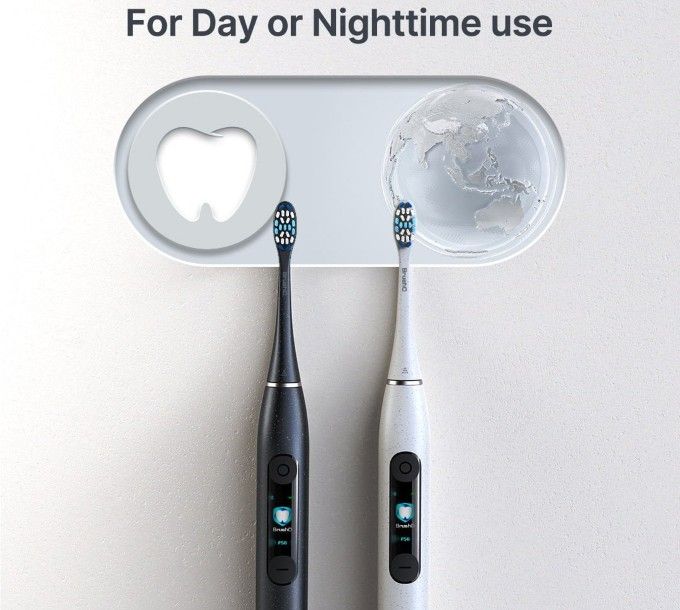
Why Is Nighttime Brushing So Often Skipped?
😴 Fatigue and Sleepiness Win
By the end of the day, many people are simply too tired. Once they’ve settled into bed or the couch, brushing feels like too much effort—even for those who are usually health-conscious.
🧠 Bedtime Inertia and Cognitive Fatigue
Decision fatigue is real. After a long day of constant choices, your brain may resist “one more task”—even a simple one. The later it gets, the more your cognitive resistance builds.
🛁 “But I Didn’t Eat After Dinner” Myth
Some believe that if they haven’t eaten since dinner, there’s no need to brush again. In reality, oral bacteria thrive overnight, and saliva production slows down—making nighttime brushing even more important.
🧳 Disrupted Routines (Travel, Work, etc.)
Late-night work, social events, travel, or parenting interruptions can throw off routines. The lack of structure leads to forgotten or intentionally skipped brushing.
The Biological Cost of Skipping Night Brushing
• Bacteria Multiply Rapidly at Night: Saliva flow reduces during sleep, creating a dry environment where bacteria flourish.
• Increased Risk of Cavities and Gum Disease: Skipping brushing allows food particles and plaque to sit undisturbed for 7–9 hours.
• Morning Breath Worsens: Unbrushed teeth mean higher bacteria levels, which worsen halitosis by the morning.
What Can Be Done: Building Better Nighttime Habits
✅ Create Brushing Triggers
Link brushing with another nightly habit like skincare, taking supplements, or setting an alarm. Repetition builds association.
🕙 Brush Earlier
You don’t have to wait until you’re about to fall asleep. Brushing after your last meal—even an hour or two before bed—is still effective.
📱 Use Tech-Driven Reminders
Smart toothbrushes like BrushO come with app-based alerts and tracking features that remind users to brush—even sending gentle nudges if skipped.
🧠 Gamify the Routine
BrushO’s Brush & Earn system turns brushing into a rewarding habit. With score-based brushing and reward tracking, users stay motivated—even when tired.
Why BrushO Makes Night Brushing Easier
• App Nudges & Habit Tracking: Set bedtime reminders and track nightly consistency.
• AI Feedback: Know if you’re rushing or missing zones with end-of-day brushing reports.
• Child Mode for Families: Parents can track if kids brushed, making evening routines smoother.
Don’t Let the Day End with Neglect
Skipping nighttime brushing seems minor—but it accumulates into long-term damage. Recognizing the psychological and situational reasons is the first step. With the help of smarter tools like BrushO, even the most forgetful or exhausted users can maintain strong oral care routines.
Is Chewing Gum Good or Bad for Your Teeth?
3h ago
Why Some People Brush Too Hard Without Realizing
3h ago
Bài viết mới
Do You Always Miss the Same Spot When You Brush?
Are you missing the same spots every time you brush? Discover why brushing blind spots exist, how they affect your oral health, and how smart brushing tech like BrushO helps you never miss a spot again.
What Happens When You Skip Brushing for One Day?
What really happens when you skip brushing your teeth for just one day? Discover the hidden impact of missing a single brushing session and how smart toothbrushes like BrushO help prevent long-term damage.
Can Gum Disease Increase Stroke Risk?
Can poor oral hygiene lead to more than cavities? Discover how gum disease might increase your stroke risk—and how daily brushing with a smart toothbrush like BrushO can protect your brain and heart health.
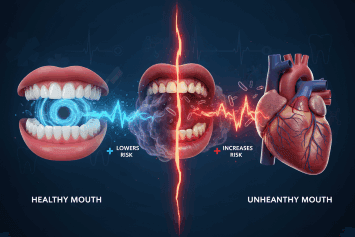
How Oral Health Influences Your Heart Disease Risk
Poor oral health may increase your risk of heart disease. Learn how gum disease, inflammation, and oral bacteria affect cardiovascular health—and how smarter brushing habits can help protect your heart.
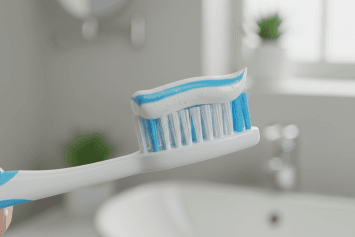
How Much Toothpaste Is Actually Enough?
Wondering how much toothpaste is too much or too little? Learn the dentist-approved amount for adults and children, the risks of overusing toothpaste, and how smart brushing tools like BrushO help maximize every pea-sized dab.
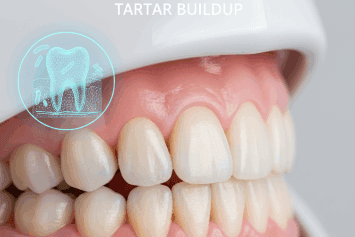
Can You Brush Away Tartar Buildup?
Brushing your teeth daily is essential—but can it actually remove tartar once it forms? Discover the truth about brushing vs tartar, and learn how to prevent hard plaque buildup with proper technique, timing, and tools like AI-powered smart toothbrushes.

Are You Brushing Right After Acidic Foods?
Brushing your teeth right after consuming acidic foods or drinks can damage enamel. Learn the science behind this dental mistake and the best timing for brushing after acidic exposure.
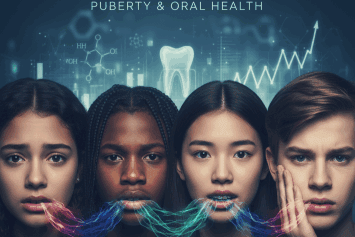
How Puberty Affects Oral Health in Teens
Puberty can significantly impact oral health in teenagers due to hormonal changes. Learn how puberty affects gums, teeth, and oral hygiene, and how to manage it effectively.

How Biting Pens Damages Your Teeth
Biting pens might seem harmless, but it can cause real damage to your teeth and gums. Learn the dental risks of this common habit and how to break it.

Is Chewing Gum Good or Bad for Your Teeth?
Is chewing gum a friend or foe to your dental health? Learn the science-backed pros and cons of chewing gum—and how to choose the right kind for your teeth.