The Effect of Sports Drinks on Oral Health2h ago
2h ago
Sports drinks are often marketed as healthy hydration options for active individuals, but their effects on oral health are frequently overlooked. While they help replenish electrolytes, their high acidity and sugar levels can silently erode your enamel and increase the risk of cavities. This article explores the scientific reasons behind their damaging effects and how you can minimize the harm without sacrificing performance.
What Makes Sports Drinks Harmful to Teeth?
Sports drinks often contain:
• Citric acid or phosphoric acid for flavor
• Simple sugars like glucose and sucrose for energy
• Low pH levels, which make them highly acidic
Together, these elements create the perfect storm for tooth enamel erosion and bacterial overgrowth.
1. Acidic Environment Erodes Enamel
Acid wears away the protective layer of enamel. Enamel erosion is irreversible, leaving teeth more sensitive and vulnerable to decay.
A typical sports drink has a pH of 3–4 — dangerously below the safe threshold of 5.5, where enamel begins to demineralize.
2. Sugar Feeds Harmful Bacteria
High sugar content fuels oral bacteria like Streptococcus mutans, which produce more acid as a byproduct. This leads to:
• Increased plaque buildup
• Higher risk of dental caries
• Bad breath and gum irritation
How Sports Drinks Compare to Other Beverages
| Beverage Type | pH Level | Sugar (per 12 oz) | Oral Risk Level |
| Water | 7.0 | 0g | None |
| Milk | 6.5–6.8 | 12g | Low |
| Sports Drink | 3.0–4.0 | 20–30g | High |
| Energy Drink | 3.0 | 25–30g | Very High |
| Soda | 2.5–3.5 | 35–40g | Extreme |
Even compared to soda, some sports drinks are nearly as acidic, making them deceptively damaging.
Symptoms of Enamel Damage from Sports Drinks
Frequent sports drink consumers may experience:
• Increased tooth sensitivity
• Yellowing (due to enamel thinning)
• Chalky white spots or grooves
• More frequent cavities
• Irritated gums or dry mouth
How to Enjoy Sports Drinks Without Damaging Teeth
You don’t have to cut them out entirely. Try the following tips:
1. Use a Straw
This limits contact with teeth, reducing the acidic impact.
2. Rinse With Water After Drinking
Neutralizes the acid and washes away sugars.
3. Avoid Brushing Immediately
Wait at least 30 minutes to let saliva naturally neutralize acids. Brushing too soon can wear down softened enamel.
4. Choose Low-Sugar or pH-Neutral Alternatives
Some modern electrolyte drinks are pH-balanced and contain xylitol, which can even reduce cavity risk.
5. Use a Smart Toothbrush
Devices like BrushO detect enamel wear patterns and help adjust brushing pressure and coverage, preventing further damage.
What Dentists Recommend
Dentists often advise that sports drinks should be used only when necessary — such as during high-endurance activities, not as a daily beverage. Combine this with regular dental checkups, fluoride toothpaste, and hydration via plain water whenever possible.
Sports drinks might boost performance on the field, but they can quietly sabotage your oral health if consumed regularly. Their acidic nature and sugar content put your enamel at serious risk, especially without proper post-consumption care. By understanding their risks and taking proactive steps — like rinsing, timing your brushing, and using smart dental technology — you can enjoy the benefits of performance drinks while keeping your smile strong and healthy.
Recent Posts
Do You Always Miss the Same Spot When You Brush?
Are you missing the same spots every time you brush? Discover why brushing blind spots exist, how they affect your oral health, and how smart brushing tech like BrushO helps you never miss a spot again.
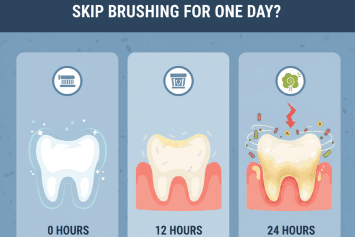
What Happens When You Skip Brushing for One Day?
What really happens when you skip brushing your teeth for just one day? Discover the hidden impact of missing a single brushing session and how smart toothbrushes like BrushO help prevent long-term damage.
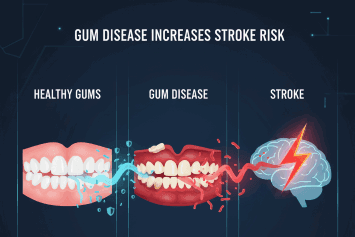
Can Gum Disease Increase Stroke Risk?
Can poor oral hygiene lead to more than cavities? Discover how gum disease might increase your stroke risk—and how daily brushing with a smart toothbrush like BrushO can protect your brain and heart health.
How Oral Health Influences Your Heart Disease Risk
Poor oral health may increase your risk of heart disease. Learn how gum disease, inflammation, and oral bacteria affect cardiovascular health—and how smarter brushing habits can help protect your heart.
How Much Toothpaste Is Actually Enough?
Wondering how much toothpaste is too much or too little? Learn the dentist-approved amount for adults and children, the risks of overusing toothpaste, and how smart brushing tools like BrushO help maximize every pea-sized dab.
Can You Brush Away Tartar Buildup?
Brushing your teeth daily is essential—but can it actually remove tartar once it forms? Discover the truth about brushing vs tartar, and learn how to prevent hard plaque buildup with proper technique, timing, and tools like AI-powered smart toothbrushes.

Are You Brushing Right After Acidic Foods?
Brushing your teeth right after consuming acidic foods or drinks can damage enamel. Learn the science behind this dental mistake and the best timing for brushing after acidic exposure.
How Puberty Affects Oral Health in Teens
Puberty can significantly impact oral health in teenagers due to hormonal changes. Learn how puberty affects gums, teeth, and oral hygiene, and how to manage it effectively.

How Biting Pens Damages Your Teeth
Biting pens might seem harmless, but it can cause real damage to your teeth and gums. Learn the dental risks of this common habit and how to break it.

Is Chewing Gum Good or Bad for Your Teeth?
Is chewing gum a friend or foe to your dental health? Learn the science-backed pros and cons of chewing gum—and how to choose the right kind for your teeth.