The Impact of Alcohol on Your Teeth and Gums4h ago
4h ago
Whether it’s a glass of wine at dinner or cocktails on weekends, alcohol is a regular part of many people’s lives. But few realize the lasting damage it can cause to oral health. From dry mouth to gum disease, alcohol plays a role in multiple dental concerns. This article takes a deep dive into how alcoholic beverages affect your teeth and gums — and how AI-powered tools like BrushO can help you minimize these risks while maintaining optimal brushing habits.
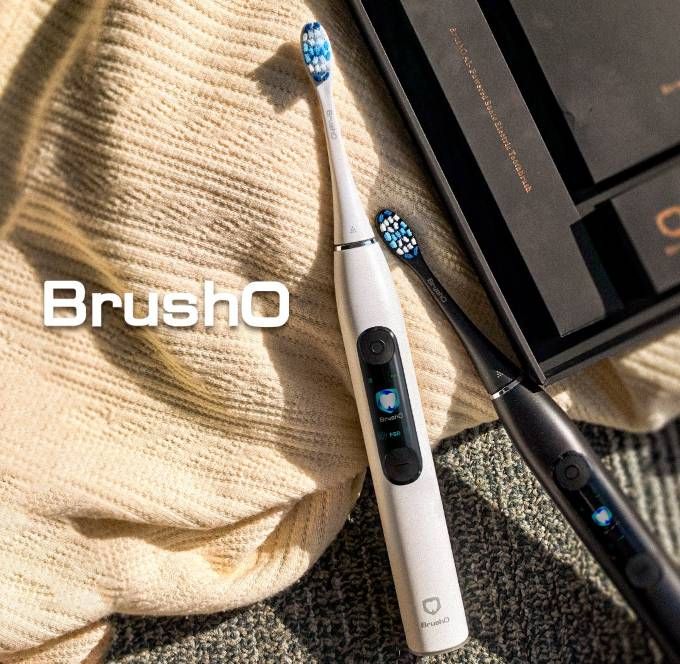
Why Alcohol Is a Hidden Threat to Oral Health
1. It Dries Out the Mouth
Alcohol reduces saliva production. Saliva is essential for:
• Neutralizing acids in the mouth
• Washing away food debris
• Preventing bacterial buildup
A dry mouth creates the perfect environment for plaque and tooth decay to thrive.
2. Alcohol Is Acidic and Sugary
Many alcoholic beverages — especially wines, ciders, and cocktails — are high in:
• Acids, which weaken tooth enamel
• Sugars, which feed oral bacteria
This combination accelerates enamel erosion and raises the risk of cavities and tooth sensitivity.
3. It Increases Gum Inflammation
Chronic alcohol use has been linked to:
• Higher rates of gingivitis and periodontal disease
• Suppressed immune response in gum tissues
• Delayed healing and increased gum bleeding
Over time, this can lead to receding gums, tooth mobility, and even tooth loss.
Alcohol-Related Behaviors That Worsen Damage
Alcohol often goes hand-in-hand with habits that further harm oral health:
• Late-night drinking without brushing
• Smoking, which amplifies gum damage
• Snacking on sugary or acidic foods while drinking
• Neglecting oral hygiene due to hangovers or fatigue
These habits compound the damage alcohol does — especially when they become regular.
How BrushO Helps You Combat the Risks
With a smart oral care routine, the effects of alcohol can be significantly reduced. BrushO offers:
• Smart zone tracking to ensure no area is missed
• Real-time pressure monitoring to avoid damaging weakened enamel
• Daily brushing reports that help you stay consistent, even after social nights out
• FSB Technology (Fully Smart Brushing) that adapts to your brushing habits and provides corrective feedback
This makes it easier to stay on top of your oral hygiene, especially when alcohol is part of your lifestyle.
Proactive Steps You Can Take
1. Brush before and after drinking: Especially if consuming sugary or acidic drinks
2. Rinse with water: It helps rebalance pH and rinse off sugars
3. Use a soft-bristled brush: Especially if your enamel is compromised
4. Keep up with routine dental visits
5. Track your brushing behavior with tools like BrushO
Drink Responsibly, Brush Smarter
Alcohol doesn’t just affect your liver or your sleep — it impacts your oral ecosystem in more ways than you think. But by understanding its effects and combining it with smarter tools like BrushO, you can limit the damage and maintain a strong, healthy smile.
Posts recentes
Do You Always Miss the Same Spot When You Brush?
Are you missing the same spots every time you brush? Discover why brushing blind spots exist, how they affect your oral health, and how smart brushing tech like BrushO helps you never miss a spot again.
What Happens When You Skip Brushing for One Day?
What really happens when you skip brushing your teeth for just one day? Discover the hidden impact of missing a single brushing session and how smart toothbrushes like BrushO help prevent long-term damage.
Can Gum Disease Increase Stroke Risk?
Can poor oral hygiene lead to more than cavities? Discover how gum disease might increase your stroke risk—and how daily brushing with a smart toothbrush like BrushO can protect your brain and heart health.
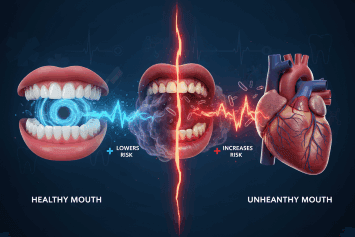
How Oral Health Influences Your Heart Disease Risk
Poor oral health may increase your risk of heart disease. Learn how gum disease, inflammation, and oral bacteria affect cardiovascular health—and how smarter brushing habits can help protect your heart.
How Much Toothpaste Is Actually Enough?
Wondering how much toothpaste is too much or too little? Learn the dentist-approved amount for adults and children, the risks of overusing toothpaste, and how smart brushing tools like BrushO help maximize every pea-sized dab.
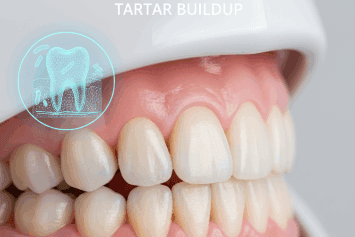
Can You Brush Away Tartar Buildup?
Brushing your teeth daily is essential—but can it actually remove tartar once it forms? Discover the truth about brushing vs tartar, and learn how to prevent hard plaque buildup with proper technique, timing, and tools like AI-powered smart toothbrushes.

Are You Brushing Right After Acidic Foods?
Brushing your teeth right after consuming acidic foods or drinks can damage enamel. Learn the science behind this dental mistake and the best timing for brushing after acidic exposure.
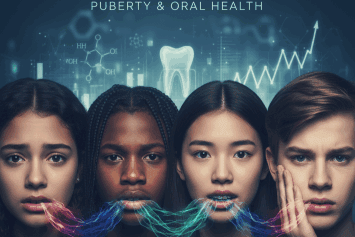
How Puberty Affects Oral Health in Teens
Puberty can significantly impact oral health in teenagers due to hormonal changes. Learn how puberty affects gums, teeth, and oral hygiene, and how to manage it effectively.

How Biting Pens Damages Your Teeth
Biting pens might seem harmless, but it can cause real damage to your teeth and gums. Learn the dental risks of this common habit and how to break it.

Is Chewing Gum Good or Bad for Your Teeth?
Is chewing gum a friend or foe to your dental health? Learn the science-backed pros and cons of chewing gum—and how to choose the right kind for your teeth.