Does Flossing Really Make a Difference?3h ago
3h ago
Many people treat flossing as an optional step in their oral care routine, but is it really? While brushing removes plaque from tooth surfaces, flossing addresses areas your toothbrush simply can’t reach. In this article, we explore the clinical benefits of flossing, the long-term consequences of skipping it, and how even smart brushing tools like BrushO recognize its complementary role in full-mouth hygiene. Spoiler: Yes, flossing really makes a difference — and here’s why.
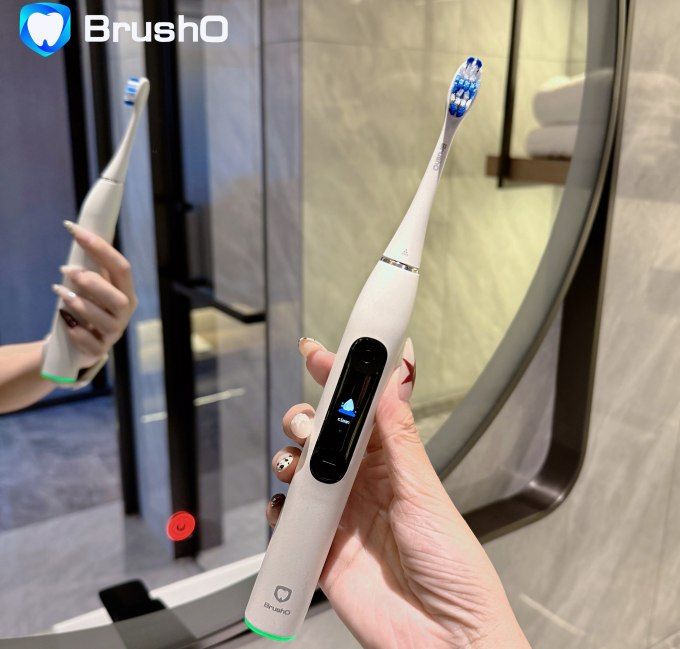
Why Flossing Matters: The Hidden Zones Between Your Teeth
While brushing cleans the outer, inner, and chewing surfaces of your teeth, interdental spaces (the tight spots between teeth) often remain untouched. These areas account for nearly 35% of your total tooth surface — meaning over a third of your mouth is left vulnerable if you don’t floss.
Plaque Buildup Starts Where Brushes Can’t Reach
Plaque is a sticky biofilm that accumulates quickly between teeth. If not removed, it:
• Hardens into tartar (calculus)
• Triggers gum inflammation (gingivitis)
• Leads to cavities in hard-to-reach areas
The Oral Health Consequences of Skipping Flossing
Gum Disease Development
The first sign of neglecting flossing is often bleeding gums — a hallmark of early-stage gingivitis. Left untreated, this can escalate to periodontitis, which leads to:
• Gum recession
• Tooth mobility or even tooth loss
• Bad breath and chronic inflammation
Increased Risk of Interproximal Cavities
Without flossing, plaque and food particles get stuck between teeth, creating the ideal environment for acid-producing bacteria. This leads to:
• Cavities between molars (often undetected until pain arises)
• Expensive dental interventions such as fillings or crowns
Systemic Health Risks
Emerging research shows a strong link between poor flossing habits and systemic inflammation. Periodontal disease has been associated with:
• Heart disease
• Diabetes complications
• Pregnancy risks (e.g., low birth weight, premature delivery)
Is Brushing Alone Enough?
Many assume that advanced toothbrushes — like BrushO with FSB smart zone tracking and AI-guided pressure detection — can replace flossing. But even the most sophisticated brushes can’t dislodge debris from tight interdental contacts.
Dentists agree: brushing + flossing work together, not as substitutes.
Proper Flossing Technique Matters
Doing it right is as important as doing it at all. Here’s a quick guide:
1. Use 18–24 inches of floss, winding most around your middle fingers.
2. Hold the floss tightly and gently guide it between teeth with a sawing motion.
3. Curve it into a “C” shape against the tooth and slide beneath the gumline.
4. Repeat for each tooth, using a clean section each time.
Pro Tip: Floss before brushing — it helps fluoride reach between teeth more effectively.
Alternatives to Traditional Floss
If string floss feels cumbersome, try:
• Floss picks (for convenience, though less effective around the gumline)
• Water flossers (great for sensitive gums and braces)
• Interdental brushes (effective for larger gaps and back teeth)
BrushO’s app also integrates with oral care routines that remind users to floss and track frequency — encouraging full-mouth discipline.
Small Habit, Big Impact
So, does flossing really make a difference? Absolutely.
It’s not just a dentist’s cliché — it’s a science-backed necessity. Flossing once a day:
• Prevents gum disease
• Reduces risk of interproximal cavities
• Supports better systemic health
• Enhances the effectiveness of brushing tools like BrushO
In the long run, flossing saves you from costly dental procedures and supports a healthier smile — one small string at a time.
Why Some People Brush Too Hard Without Realizing
3h ago
The Effect of Sports Drinks on Oral Health
3h ago
最近發文
Do You Always Miss the Same Spot When You Brush?
Are you missing the same spots every time you brush? Discover why brushing blind spots exist, how they affect your oral health, and how smart brushing tech like BrushO helps you never miss a spot again.
What Happens When You Skip Brushing for One Day?
What really happens when you skip brushing your teeth for just one day? Discover the hidden impact of missing a single brushing session and how smart toothbrushes like BrushO help prevent long-term damage.
Can Gum Disease Increase Stroke Risk?
Can poor oral hygiene lead to more than cavities? Discover how gum disease might increase your stroke risk—and how daily brushing with a smart toothbrush like BrushO can protect your brain and heart health.
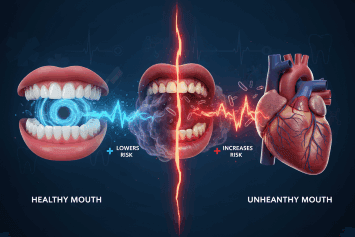
How Oral Health Influences Your Heart Disease Risk
Poor oral health may increase your risk of heart disease. Learn how gum disease, inflammation, and oral bacteria affect cardiovascular health—and how smarter brushing habits can help protect your heart.
How Much Toothpaste Is Actually Enough?
Wondering how much toothpaste is too much or too little? Learn the dentist-approved amount for adults and children, the risks of overusing toothpaste, and how smart brushing tools like BrushO help maximize every pea-sized dab.
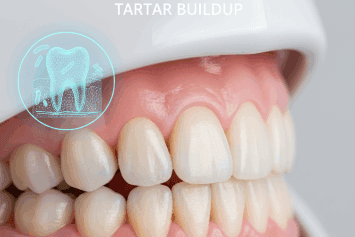
Can You Brush Away Tartar Buildup?
Brushing your teeth daily is essential—but can it actually remove tartar once it forms? Discover the truth about brushing vs tartar, and learn how to prevent hard plaque buildup with proper technique, timing, and tools like AI-powered smart toothbrushes.

Are You Brushing Right After Acidic Foods?
Brushing your teeth right after consuming acidic foods or drinks can damage enamel. Learn the science behind this dental mistake and the best timing for brushing after acidic exposure.
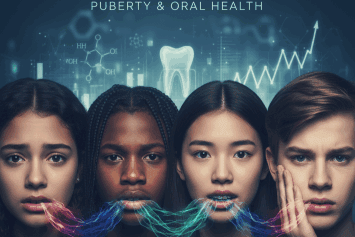
How Puberty Affects Oral Health in Teens
Puberty can significantly impact oral health in teenagers due to hormonal changes. Learn how puberty affects gums, teeth, and oral hygiene, and how to manage it effectively.

How Biting Pens Damages Your Teeth
Biting pens might seem harmless, but it can cause real damage to your teeth and gums. Learn the dental risks of this common habit and how to break it.

Is Chewing Gum Good or Bad for Your Teeth?
Is chewing gum a friend or foe to your dental health? Learn the science-backed pros and cons of chewing gum—and how to choose the right kind for your teeth.